The Cedar Valley Trail stands as a quiet gem within the high peaks of the Paphos Forest. It offers a unique escape for those who seek peace and natural beauty far from the busy coast. This specific area remains one of the most secluded spots on the entire island.
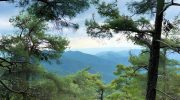
Visitors often feel a sense of awe as they enter this ancient landscape. The air turns cool and carries the scent of fresh pine and old wood. It provides a sharp contrast to the heat that usually defines the lower plains of Cyprus.
Local history and nature intertwine here in a very special way. The trees that grow in this valley exist nowhere else on the planet. This rare environment makes every step along the dirt path feel like a walk through a living museum.
Trail Overview
- Location: Paphos Forest, Nicosia District
- Distance: 2.5 miles (4 km)
- Route Type: Out & Back
- Difficulty: Easy
- Elevation Gain: 500 feet (150 meters)
- Duration: 1.5 – 2 hours
- Best Time to Visit: March – June
- Terrain: Forest Floor and Gravel
The Unique Botanical Heritage
The Cedar Valley Trail provides a home to the Cedrus libani var. brevifolia. This tree is a subspecies of the Lebanon cedar that evolved in total isolation on this island. Scientists note that these trees survived here for thousands of years. They adapted to the rocky soil and the specific rainfall patterns of the Troodos mountains. Today more than twenty thousand cedars fill this secluded basin. The trees grow tall and strong with branches that spread out like wide umbrellas. Their needles have a deep green hue that stays vibrant throughout the entire year.
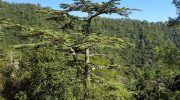
This forest serves as a vital refuge for many species of birds. The endemic Cyprus warbler and the coal tit often flit between the high branches. Lucky hikers might even spot the Mouflon which is a rare wild sheep. These animals are very shy and prefer the quiet shade of the cedar groves. The trail allows people to see a side of the local ecosystem that remains largely untouched. Conservation efforts ensure that this habitat stays protected from modern development. This commitment preserves the delicate balance of the mountain flora for future generations.
Geological Features and Path Conditions
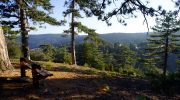
The terrain underfoot consists mainly of soft needles and crumbled rock. This volcanic soil provides the perfect base for the root systems of the cedar trees. The path remains wide and clear which makes it accessible for most fitness levels. It winds gently upward toward the peak of Tripylos. Each turn on the trail offers a new perspective of the surrounding ridgelines. The rocks here tell a story of the tectonic shifts that formed the island. Gabbro and diabase formations appear frequently along the side of the track.
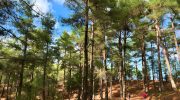
The climb is steady but never feels too steep for a casual walker. Natural springs sometimes trickle near the path during the early months of spring. These water sources support small patches of wildflowers like the Cyprus orchid. The lack of harsh pavement makes the walk easy on the joints. Hikers can focus on the rhythmic sound of their boots on the dry earth. This simple connection to the ground enhances the overall sense of calm. The trail design respects the natural contours of the mountain side.
Historical Significance of the Paphos Forest
People used the timber from these forests for centuries. Ancient civilizations built ships and temples with the sturdy wood from the Troodos range. However the Cedar Valley remained somewhat protected due to its remote location. The British colonial administration later established strict rules to prevent overexploitation. They recognized the ecological value of these specific trees early on. This history of protection explains why the valley looks so lush today. It stands as a testament to successful forestry management over many decades.

The nearby Kykkos Monastery also shares a deep link with this land. Monks often traveled these paths for reflection and prayer. The silence of the valley provided a perfect backdrop for their spiritual work. Even today the area retains a sense of sacred quiet. There are no loud roads or commercial hubs within miles of this location. The forest acts as a buffer against the noise of the modern world. This historical isolation is the primary reason the endemic cedar still thrives here.
Seasonal Variations and Climate Observations
Spring brings a burst of life to the Cedar Valley Trail. The melting snow from higher peaks feeds the roots of the ancient trees. Temperatures remain mild which allows for long walks without the risk of heat stroke. Summer offers a cool retreat when the beaches become too hot for comfort. The dense canopy provides ample shade for the entire length of the hike. Autumn paints the forest in subtle shades of gold and amber as smaller shrubs change color. Each season provides a different sensory experience for the visitor.
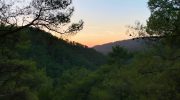
Winter can bring snow to this elevation which transforms the valley into a white wonderland. The dark green cedars stand out sharply against the fresh powder. Access can be difficult during heavy storms so travelers check weather reports first. The crisp air during the cold months is incredibly clear and fresh. Visibility often extends far across the mountain ranges toward the sea. Most people prefer the transition months when the flora is most active. The lack of humidity makes the physical exertion feel much lighter.
Practical Logistics for a Successful Hike
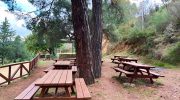
Access to the Cedar Valley requires a vehicle with decent tires. The mountain roads are winding and narrow but the asphalt is generally good. There is a small picnic site near the start of the trail. This area has wooden benches and a place to rest before the ascent. Water taps are available but hikers should carry their own supply as well. Mobile phone signals can be weak in the deep parts of the valley. It is wise to download a map or carry a physical guide.
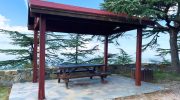
Professional hikers often suggest an early start to catch the best light. The morning sun filters through the branches in soft rays. This creates a beautiful atmosphere for photography or quiet thought. Sturdy shoes with good grip are essential for the gravel sections. A light jacket is useful because the temperature drops as the altitude increases. There are no shops inside the forest so snacks are a necessity. This preparation ensures that the focus remains on the beauty of the trees.