Cyprus offers a diverse and well-structured education system that reflects the island’s blend of European academic standards and strong local cultural identity. From early childhood through upper secondary education, students move through clearly defined stages, with options that include public Greek schools and private international institutions offering British, American, or International Baccalaureate pathways.
What matters most for families is not enrollment statistics, but how schools teach at each level, how students gain admission, and what extracurricular opportunities shape a child’s development. Whether planning long-term settlement or a temporary relocation, understanding how education works in Cyprus helps parents choose a pathway that supports both academic success and personal growth.
- Early Years Education (Ages 3–6)
- Primary Education (Ages 6–12)
- Lower Secondary Education (Gymnasium, Ages 12–15)
- Upper Secondary Pathways (Ages 15–18)
- How to Get Into Schools in Cyprus
- Extracurricular Activities and Enrichment
- Higher Education Opportunities
- Choosing the Right Educational Path in Cyprus
Early Years Education (Ages 3–6)
Early childhood education in Cyprus focuses on social development, communication skills, and early cognitive growth. Public kindergartens operate primarily in Greek and emphasize structured play, storytelling, music, art, and foundational numeracy. The goal is to prepare children emotionally and socially for primary school rather than introduce formal academic pressure.

Private schools such as The Grammar School and The English School offer English-based early years programs. These schools often follow British early years frameworks that encourage independence, creativity, and interactive learning. Children develop language confidence and classroom discipline in a supportive environment.
Primary Education (Ages 6–12)
Primary education lasts six years and builds essential academic foundations. Public primary schools follow the national curriculum under the Ministry of Education. Instruction is delivered in Greek, and subjects include language and literature, mathematics, science, history, geography, art, music, and physical education. This route suits families seeking full integration into Cypriot society.

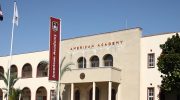
Private institutions such as American Academy and Heritage Private School teach primarily in English using British or American curricula. Teaching methods frequently involve group projects, presentations, and inquiry-based learning. Greek remains part of the curriculum to ensure students maintain connection with the local language and culture.
Lower Secondary Education (Gymnasium, Ages 12–15)
Lower secondary education strengthens academic depth while maintaining a broad subject base. Public gymnasiums continue with Greek as the language of instruction. Students study mathematics, sciences, Greek language and literature, history, computer studies, and at least one foreign language. Assessment becomes more structured during this stage.
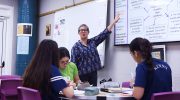
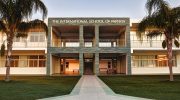
Private schools such as The International School of Paphos begin preparing students for international qualifications like IGCSE examinations. Academic expectations rise, and students develop analytical thinking, research skills, and structured writing abilities. English-medium instruction supports those aiming for universities abroad.
Upper Secondary Pathways (Ages 15–18)
At upper secondary level, students choose between academic and vocational routes. Public lyceums prepare students for national university entrance examinations. The curriculum allows specialization in areas such as sciences, economics, humanities, or modern languages. Technical and vocational schools provide professional training in fields such as mechanical engineering, electrical systems, hospitality, culinary arts, and graphic design.
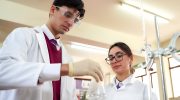
Private institutions including Foley’s School and Pascal English School offer IGCSE and A-Level programs. These qualifications provide direct access to universities in the United Kingdom, Europe, and other international destinations. Students select subjects aligned with future academic or career ambitions, and teaching becomes exam-focused and specialized.
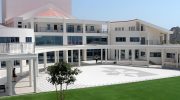
How to Get Into Schools in Cyprus
Admission procedures vary between public and private schools. Public school enrollment depends on residential location. Families must submit proof of address, residence documentation, birth certificates, vaccination records, and previous academic transcripts. Placement occurs through local district education offices. No entrance examinations are required, but non-Greek-speaking students may need additional language support.
Private and international schools manage independent admissions processes. Applications usually require previous school reports, entrance assessments in English and mathematics, interviews with parents and students, and payment of a registration fee. Competitive schools often maintain waiting lists, particularly for examination years, so early application is advisable.
Extracurricular Activities and Enrichment
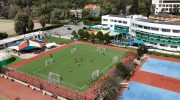
Schools in Cyprus place strong emphasis on holistic development beyond academics. Sports programs commonly include football, basketball, volleyball, swimming, athletics, and tennis. Many private schools compete in inter-school leagues and maintain modern sports facilities.
Creative arts play a significant role in student life. Drama, choir, orchestra, visual arts, photography, and digital media allow students to explore artistic interests. Schools such as The Grammar School and Foley’s School invest heavily in performing arts and music education.
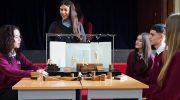
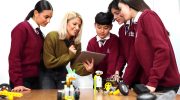
STEM education continues to expand across Cyprus. Robotics clubs, coding workshops, science fairs, and engineering competitions are increasingly common, particularly in international schools. Leadership development also receives attention through debate clubs, Model United Nations, entrepreneurship initiatives, and community service programs.
Language learning remains central to the Cypriot education system. Students may study Greek, English, French, or German, depending on their school’s curriculum. International schools frequently provide additional Greek language support for foreign students.
Higher Education Opportunities
After secondary education, many students continue their studies at leading universities within Cyprus, including University of Cyprus, Cyprus University of Technology, and University of Nicosia. Others pursue degrees in the United Kingdom, Europe, or North America, particularly those who complete A-Level or international diploma programs.

Private schools often provide structured university counseling beginning in secondary years, guiding students through subject selection, personal statements, and application procedures.
Choosing the Right Educational Path in Cyprus
Selecting the right school in Cyprus requires careful consideration of several important factors, including language preference, long-term residency plans, academic goals, and overall budget. Families planning permanent relocation often prefer public schools because they offer full Greek-language immersion and free tuition. This pathway supports deeper cultural integration and helps children become fluent in the national language, which can be beneficial for future employment or local university admission. However, parents must consider whether their child can comfortably adapt to Greek-medium instruction, especially if they come from a non-Greek-speaking background.

Private international schools, on the other hand, provide English instruction and globally recognized qualifications such as IGCSEs, A-Levels, or international diplomas. These schools suit families seeking smoother transitions between countries or planning university education abroad. Smaller class sizes, structured university counseling, and wider extracurricular options often appeal to expatriate families. Ultimately, the best choice depends on a child’s learning style, language ability, academic ambitions, and how long the family intends to remain in Cyprus.