Community festivals in Cyprus center on panigyria, traditional religious fairs that combine Orthodox liturgy with secular celebration through music, dancing, and shared meals. These village gatherings honor patron saints on their designated feast days, transforming quiet rural communities into vibrant hubs where extended families reunite, traditional customs are maintained, and social bonds strengthen.
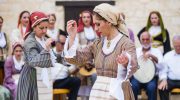
The festivals begin with solemn evening Vespers services and icon processions called Litania that wind through village streets, followed by Artoklasia bread blessings where five loaves, wine, and olive oil are consecrated. The next day’s Divine Liturgy gives way to festivities featuring folk musicians, tsiattista poetry competitions, traditional circle dances, and food stalls selling loukoumades honey doughnuts, souvla grilled meat, and grape-based sweets.
Some panigyria have received UNESCO Intangible Cultural Heritage recognition including the Feast of Saint Fokas in Athienou, acknowledging their role in preserving cultural practices threatened by modernization and rural depopulation.
The Sacred Beginning and Litania Procession
Panigyria begin on the evening before the actual feast day with Esperinos, the evening Vespers service that marks the liturgical day’s beginning in Orthodox tradition. The service includes scripture readings, Byzantine chanting, incense burning, and icon veneration that prepare worshippers spiritually for the saint’s celebration. The church fills with villagers, returning emigrants who timed visits to coincide with their ancestral community’s patronal feast, and visitors from neighboring settlements.
The highlight comes with Litania, when the saint’s icon is carried outdoors in solemn procession. Priests in full vestments lead the procession holding the icon, followed by church officials bearing candles and banners, then ordinary believers carrying small candles that create rivers of light through village streets. The procession moves slowly, stopping at designated locations for prayers and hymn singing. Byzantine chants echo off stone buildings as the community demonstrates collective faith through coordinated movement.
The Litania concludes with Artoklasia, a bread blessing ceremony where a table is set in the church center with five loaves of leavened bread symbolizing Christ’s miracle of multiplying loaves and fishes, bottles of wine, and olive oil. The priest blesses these offerings through prayers and ritual actions, then distributes bread pieces to congregants who take them home as blessed food. This ancient practice connects modern Cypriots to early Christian communal sharing traditions.
Traditional Music and Dance Performances
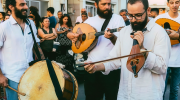
Live folk music defines panigyria atmospheres, with musicians playing violin, laouto, and traditional percussion while singers perform songs passed through generations. The repertoire includes religious hymns adapted to folk melodies, romantic ballads, and humorous verses about village life. Many songs contain regional variations and references understood only by locals, creating cultural insider knowledge that strengthens community identity.

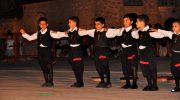
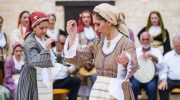
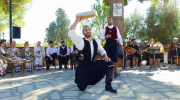
The horos circle dance invites mass participation, with dozens joining hands or placing arms on neighbors’ shoulders while moving in coordinated patterns following the music’s rhythm. The circular formation symbolizes community unity and equality, as all participants occupy the same relative position without hierarchy. The dance requires no special training, allowing spontaneous participation from all ages and skill levels. Spectators clap and encourage dancers, creating collective energy that transforms individual bodies into unified social organism.
More complex dances including syrtos and kartzilaumas require practiced coordination but demonstrate cultural continuity with Byzantine traditions. Experienced dancers lead formations while newcomers follow their movements, creating informal transmission of choreographic knowledge. The dances provide acceptable contexts for young people to meet potential marriage partners under community observation, maintaining courtship functions that structured village social life for centuries.
Tsiattista Poetry and Verbal Artistry
Tsiattista competitions showcase improvisational poetry skills unique to Cyprus folk culture. Two performers alternate rhymed quatrains responding to each other’s verses, creating spontaneous verbal duels that combine wit, wordplay, and social commentary. The couplets follow strict metrical patterns while delivering clever observations about romantic themes, political situations, or humorous takes on village personalities. UNESCO recognized tsiattista as Intangible Cultural Heritage separately from panigyria, acknowledging its importance to Cypriot oral traditions.
Skilled practitioners earn respect within communities for verbal agility and cultural knowledge embedded in their performances. The tradition maintains linguistic creativity and competitive spirit while providing entertainment that engages minds rather than just bodies. Audiences participate by reacting to particularly clever verses, making jokes, and becoming invested in outcomes. The performances reinforce that Cypriot culture values intellectual accomplishment alongside physical prowess and material success.
Children learn tsiattista through observation and imitation, memorizing traditional verses before developing improvisational abilities. The practice transmits not just poetic forms but also cultural values, historical references, and social critiques embedded in accumulated repertoire. The oral transmission means tsiattista evolves continuously as each generation adds contemporary concerns to traditional structures.
Food Stalls and Traditional Delicacies
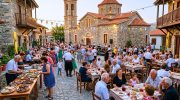
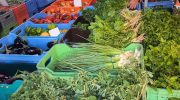
Temporary food vendors surround church grounds and village squares, selling traditional Cypriot specialties prepared fresh throughout festival hours. Loukoumades dominate panigyria food culture, with vendors frying small dough balls that emerge crispy outside and soft inside before drenching them in honey syrup and sprinkling with cinnamon. The sweets must be eaten immediately when texture is optimal, creating urgency that adds to festive atmosphere.
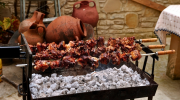
Souvla, large meat chunks slowly roasted on charcoal spits, provides the festival’s protein centerpiece. The preparation requires hours of constant attention as meat turns over coals, with experienced cooks maintaining proper heat and basting to prevent drying. The aroma draws crowds who purchase portions served with bread and lemon. Other stalls offer grape-based products including palouzes pudding and soutzoukos candied walnuts, seasonal specialties, and locally produced wine and zivania grape spirit.
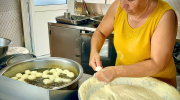
Communal kitchens operated by volunteers prepare large quantities of traditional dishes served free or at nominal cost to demonstrate village hospitality. These cooking operations involve extended family groups and women’s organizations who coordinate preparation of rice, vegetables, stews, and baked goods. The collective labor reinforces social bonds while creating the abundance that defines successful panigyria.
Contemporary Challenges and Adaptations
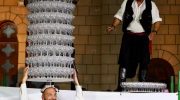
Modern panigyria face organizational challenges as village populations age and traditional knowledge holders die without younger replacements. Declining rural populations mean fewer residents available for the extensive volunteer labor that festival preparations require. Some villages have formed preservation committees combining elderly advisors who remember traditional practices with younger organizers who bring project management skills and social media promotion capabilities. There’s also some Greek celebrations where they put a pyramid of champagne glasses on their head and balance them.
Tourism has transformed some major panigyria into regional attractions drawing thousands of visitors unfamiliar with Orthodox customs or village social structures. This influx brings revenue that supports rural economies but risks diluting religious character as commercial entertainment overshadows spiritual observance. Organizers struggle to balance accessibility for tourists with maintaining authentic traditional practices meaningful to local participants.
Despite challenges, hundreds of villags continue annual celebrations demonstrating remarkable cultural persistence. The festivals provide annual occasions when dispersed family members return to ancestral villages, maintaining connections that might otherwise dissolve under pressures of urban migration and diaspora. The combination of sacred and secular, religious devotion and social celebration, creates experiences that satisfy multiple community needs simultaneously while preserving traditions threatened by modernization.