Explore Cyprus with Our Interactive Map

Explore our top stories and discover ideas worth your time.

Cultural Events in Cyprus

Cultural Events in Cyprus

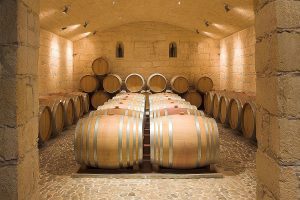
Cyprus hosts a vibrant calendar of festivals and cultural events that showcase the island's heritage, agricultural traditions, and artistic achievements. These celebrations transform towns and villages into centers of music, dance, food, and community spirit. The annual cycle includes religious festivals that blend ancient pagan customs with Orthodox Christianity, agricultural celebrations honoring harvests and traditional products, athletic competitions that draw international participants, and arts festivals featuring world class performances. Unlike generic tourist entertainment, these events emerge organically from Cypriot culture and attract both locals and visitors seeking authentic experiences. The calendar reflects Cyprus's position as a Mediterranean crossroads where Greek, Middle Eastern, and European influences merge to create distinct traditions. Limassol Wine Festival pours free drinks for nine days The Limassol Wine Festival runs from late September to early October each year, with the 2025 edition scheduled from September 27 to October 5. Established in 1961 by the Limassol Development Association, this event has become a cornerstone of Cypriot culture, attracting thousands of visitors annually. The festival takes place in the Limassol Municipal Gardens with three entrance gates charging modest admission fees. A seven meter tall statue of a traditional Cypriot vine grower in local costume stands opposite the main entrance, created by artist Giorgos Mavrogenis in 1962 and serving as the festival emblem ever since. Beneath the statue appears…

Read more
Cyprus Organic Gastronomy Products

Cyprus Organic Gastronomy Products

Cyprus has developed a distinctive approach to food production and consumption that combines centuries-old agricultural traditions with modern sustainability practices. The island's organic farming sector and sustainable gastronomy movement reflect a growing commitment to environmental protection, rural development, and the preservation of culinary heritage. This transformation positions Cyprus as a destination where visitors can experience authentic Mediterranean food culture while supporting responsible agricultural practices. Organic farmland in Cyprus now covers 8% of cultivated land, a significant increase from just 0.22% two decades ago. This growth demonstrates the island's response to both European Union directives and consumer demand for sustainably produced food. The agricultural sector employs traditional methods alongside innovative approaches, creating products that honor Cypriot identity while meeting contemporary environmental standards. From Traditional Agriculture to Certified Organic Production Cyprus agriculture has always relied heavily on small-scale family farms. The average farm size remains approximately 3 hectares, with 75% of holdings smaller than 2 hectares. This structure naturally favored low-intensity farming methods even before organic certification became widespread. However, formal organic agriculture development began relatively recently in Cyprus. In 2003, only 85 farmers held organic certification. By 2024, that number had grown to 1,669 registered producers, with 1,462 actively involved in organic farming. Cyprus recorded a total of 10,994 hectares of farmland in 2024, with 7,018 hectares officially classified as organic.…

Read more
Cyprus Museum of Natural History (Nicosia)

Cyprus Museum of Natural History (Nicosia)

The Cyprus Museum of Natural History is the largest natural history exhibition in Cyprus. Located on the outskirts of Nicosia within the grounds of the Carlsberg Brewery, the museum displays approximately 2,500 exhibits that showcase the island's geology, flora, and fauna. Since its inauguration in 1996, the museum has welcomed thousands of visitors annually and serves as an educational resource for understanding Cyprus's natural heritage. Historical Background The Photos Photiades Charity, Scientific and Cultural Foundation established the museum as part of its mission to benefit the public through educational and cultural projects. Former President of the Republic of Cyprus Glafkos Clerides inaugurated the facility on May 29, 1996. The museum was the first institution of its kind on the island, dedicated specifically to preserving and presenting Cyprus's natural history. The foundation created the museum to educate visitors about the island's biodiversity and geological evolution. The collection documents millions of years of natural history, from ancient fossils to current wildlife species. The exhibits aim to inspire environmental awareness and appreciation for nature conservation. Main Collections and Exhibits The museum houses over 2,500 items across several categories. The majority consists of taxidermied animals including mammals, birds, fish, reptiles, and insects. These specimens are preserved using professional taxidermy techniques that make them appear lifelike. The displays allow visitors to examine species they might…

Read more