
Fishing in Cyprus faces significant external pressures and rising socio-economic concerns rather than a simple quiet balance. Small-scale artisanal fishers still work close to shore using selective, traditional methods, while a limited number of industrial operations supply markets with consistency and volume. Both exist within the same narrow waters, governed by strict regulation and ecological limits. Understanding this balance explains not only how seafood reaches Cypriot tables, but also how culture, sustainability, and modern life intersect around the sea.
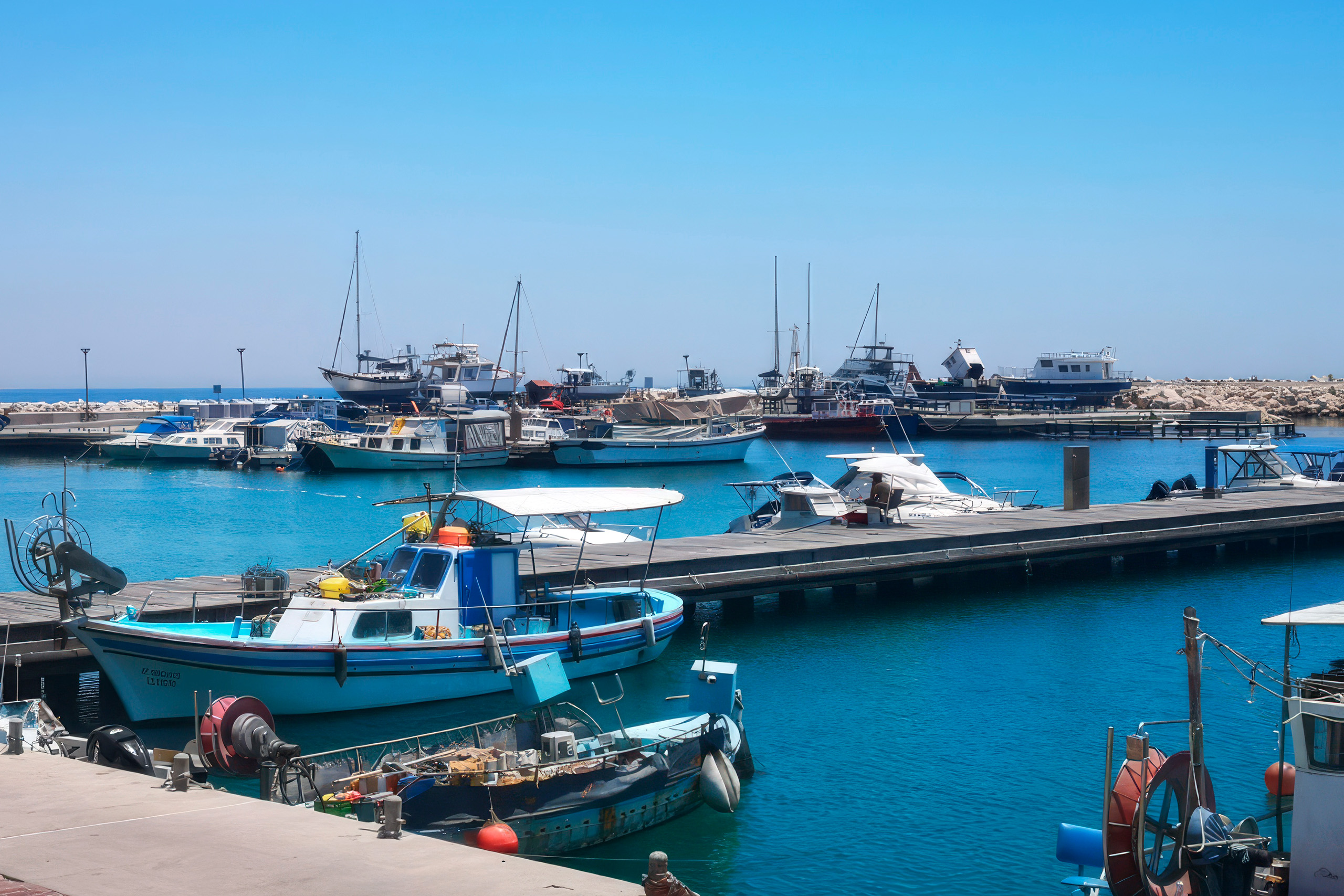
An island that learned to read the sea
Cyprus has always depended on the Mediterranean in practical ways. Long before engines or harbours, coastal communities relied on observation, memory, and seasonal rhythm. Fishing was guided by wind, water temperature, and experience passed quietly between generations.
As the island modernised during the twentieth century, fishing evolved rather than disappeared. Motors replaced oars, ice replaced immediate consumption, and ports became more organised. Yet many families continued to fish in familiar ways, preserving a working connection between past and present rather than treating tradition as nostalgia.
What artisanal fishing really looks like
Artisanal fishing in Cyprus is defined by proximity and restraint. Boats are small, usually under twelve metres, and operations remain close to the coast. Gear is chosen not for volume, but for precision.
Common methods include trammel nets laid carefully over rocky seabeds, longlines baited by hand, and clay or plastic pots designed specifically for octopus. These techniques reduce bycatch and minimise damage to fragile habitats. They also demand local knowledge. Success depends on reading currents, seabed structure, and subtle changes in weather rather than relying purely on technology.
The social side matters just as much. Many artisanal fishers sell directly to local markets or seaside tavernas. The catch often reaches the kitchen within hours. This immediacy explains why artisanal seafood carries such value in everyday Cypriot life.
The logic behind industrial fishing
Industrial fishing operates under a different set of needs. Larger vessels, mechanical hauling systems, and navigation technology allow crews to work efficiently and predictably. In Cyprus, these operations are tightly controlled. The island’s waters are relatively small and biologically sensitive, which limits fleet size and fishing intensity.
Industrial fishing plays a stabilising role. It supplies supermarkets, processors, and larger buyers, helping maintain price consistency and year-round availability. While it lacks the intimacy of small-scale fishing, it supports a modern food system that depends on reliability rather than daily variation.
Importantly, industrial fishing in Cyprus is not unrestricted expansion. Regulation defines its boundaries, ensuring that efficiency does not override sustainability.
Species that shape taste and identity
Certain marine species carry meaning far beyond their commercial value.
Octopus is perhaps the most emblematic. Traditionally caught using pots or spears, it appears across Cypriot cuisine, often sun-dried before cooking. For many families, octopus evokes coastal meals, shared tables, and inherited recipes.
Red mullet holds a similar place. Its delicate flavour and short season make it a marker of freshness and timing rather than abundance.
Swordfish and tuna represent deeper waters and larger operations. Highly prized, they are subject to strict seasons and quotas, reflecting both their value and vulnerability.
Together, these species reveal how fishing practices influence not just markets, but memory and taste.
Details that reveal a deeper system
Some artisanal fishers still identify fishing grounds using landmarks on land, aligning hills, buildings, or headlands rather than relying solely on GPS.
Octopus pots used today follow designs that have remained largely unchanged for centuries.
Cyprus’s waters are among the most nutrient-poor in the Mediterranean, which limits fish density and makes careful management essential.
Certain invasive species are now promoted as sustainable food options rather than being discarded, reflecting adaptive thinking.
These details show that fishing in Cyprus is not static. It responds continuously to ecological reality.
A changing sea and new pressures
The eastern Mediterranean is warming faster than many other regions. Rising temperatures are altering fish behaviour, migration patterns, and spawning cycles. Species once rare are becoming common, while others retreat.
The opening of the Suez Canal has accelerated the arrival of non-native species. Some damage nets or compete with local fish. Others, such as lionfish, have triggered innovative responses. Conservation groups and chefs now promote lionfish consumption, While some species offer opportunity, others like the silver-cheeked toadfish are inedible and result in net economic loss.
Both artisanal and industrial fishers are affected. Adaptation has become a shared necessity rather than a theoretical concern.
Regulation as a shared framework
Fishing in Cyprus operates under national and European frameworks that govern seasons, gear, catch size, and location. Marine protected areas safeguard seagrass meadows and breeding zones. Seasonal bans allow populations to recover. Gear restrictions reduce seabed damage and accidental bycatch.
Artisanal methods are often naturally aligned with these goals due to their low impact. Industrial operations, while more intensive, function under close monitoring and reporting requirements.
Sustainability is not a slogan here. It is the condition for survival across both systems.
Fishing as part of daily Cyprus
Fishing remains visible in everyday life. Small harbours still wake before sunrise. Larger vessels operate from organised ports. Markets blend local catches with regulated imports.
Certain places are closely associated with seafood culture. Zygi is known for its fish tavernas. Latchi is linked to daily landings from clear western waters. These associations tie food to geography in ways that remain meaningful rather than symbolic.
Fishing continues to shape how people eat, gather, and welcome visitors.
Culinary tourism and renewed attention
Seafood has become central to Cyprus’s culinary reputation. Visitors increasingly seek authenticity rather than novelty. Grilled octopus by the sea, seasonal fish meze, and simple preparations rooted in timing and freshness define this appeal.
Festivals celebrating maritime culture draw both locals and tourists. Restaurants now highlight sourcing, naming villages or methods with pride. International food and travel publications have begun to recognise Cyprus not for spectacle, but for continuity.
This attention supports small-scale fishers and reinforces responsible consumption.
Experiencing the fishing culture firsthand
Visitors can engage with fishing culture beyond restaurants. Early-morning harbour visits reveal the rhythm of unloading and sorting. Some communities offer pescatourism experiences, where guests join fishers at sea and share meals on board.
These moments reveal the patience, skill, and restraint behind each catch. They turn seafood from a product into a process.
Why the balance matters
Artisanal and industrial fishing in Cyprus are not opposing forces. They are parallel responses to the same reality: a small island with limited marine resources and a long dependence on the sea.
Artisanal fishing preserves knowledge, supports communities, and delivers freshness. Industrial fishing ensures stability, access, and modern distribution. Aquaculture now plays a larger role in market stability than industrial wild-catch. Sustainability links them, reminding both that restraint is not optional.
Fishing in Cyprus is not simply about supply. It is about continuity, adaptation, and respect for a sea that has shaped island life for thousands of years. That balance, carefully maintained, is what allows nets and markets to coexist without breaking the system that supports them.
