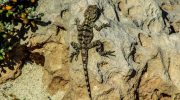
Cyprus Rocky Coastal Ecosystems
Rocky Coastal and Cliff Ecosystems are specialized habitats along Cyprus's shoreline, where flora and fauna have adapted to limestone cliffs, constant sea spray, and arid conditions. These ecosystems, featuring rugged vertical faces and narrow ledges, support resilient plants like sea lavender and animals such as the Mediterranean monk seal, creating a unique blend of marine and terrestrial life. They highlight the island's geological diversity, where erosion and salt exposure forge niches for species found nowhere else, underscoring the delicate balance of coastal biodiversity. polityka-pl A Specialized Habitat Along the Shore Rocky coastal and cliff ecosystems in Cyprus form dramatic landscapes where vertical limestone walls meet the sea, shaped by waves, wind, and salt spray. These habitats, spanning much of the island's 648km coastline from Cape Arnaouti to Cape Greco, endure arid conditions with rainfall under 400mm annually and constant aerosol from breaking waves. Flora clings to crevices, with roots penetrating rock for stability, while fauna exploits sheltered nooks for breeding. This environment supports over 200 plant species and 50 reptiles, many endemic, making it a key biodiversity zone. Sea spray deposits salt, creating halophytic conditions that select for adapted life, while cliffs' height (up to 100m at Episkopi) provides isolation, promoting speciation. en-wikipedia-org. Formation Through Geology and Time These ecosystems emerged from Miocene limestone deposits 5–23 million years ago, uplifted…
Read more