Explore Cyprus with Our Interactive Map

Explore our top stories and discover ideas worth your time.

Marine Conservation Programs

Marine Conservation Programs

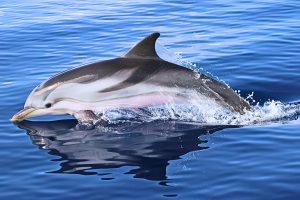
Cyprus sits at the crossroads of the eastern Mediterranean Sea where diverse marine species converge. The island's coastal waters support endangered sea turtles, rare monk seals, extensive seagrass meadows, and dozens of shark and ray species. Marine conservation programs work to protect these ecosystems through scientific research, policy reform, and community engagement. These initiatives span both the government-controlled south and the Turkish-occupied north, with multiple organizations collaborating to safeguard Cyprus's marine biodiversity. cyprus-mail-com A History of Marine Protection Efforts Sea turtle conservation in Cyprus began in 1971 when the government enacted legal protection for turtles and their eggs under the Fisheries Law. A comprehensive survey in 1976 and 1977 identified critical nesting beaches, particularly for green turtles in the Lara area on the west coast. The Cyprus Wildlife Society joined the effort in 1989, and by 1992, the Marine Turtle Conservation Project launched in the Turkish-occupied part of Cyprus through collaboration between the Society for the Protection of Turtles and the University of Exeter. tripadvisor-com Marine Protected Areas emerged later as conservation priorities evolved. Since 2009, five coastal MPAs have been established in the Turkish-occupied part of Cyprus, covering approximately 134 kilometers of coastline and 17,596 hectares of marine environment. A 30-year trawling ban in the north created a de facto large marine protected area, allowing ,habitats to recover compared…

Read more

Bay Laurel of Cyprus

Bay Laurel of Cyprus

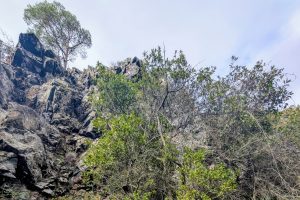
Imagine brushing past a glossy-leaved tree beside a sparkling Cypriot stream – the air instantly fills with a warm, spicy, almost resinous perfume that lingers on your fingers for hours. This is the bay laurel, standing quietly yet majestically among the island’s wild places, its leaves whispering stories of gods, victors and everyday Cypriot kitchens. www.inaturalist.org A Fragrant Evergreen of the Laurel Family Laurus nobilis, the true bay laurel or sweet bay, belongs to the Lauraceae family – a small but aromatic group that also includes cinnamon and camphor. In Cyprus it grows as an evergreen tree or large shrub, often reaching 8–15 metres in sheltered spots, though it stays more shrub-like when exposed to wind or grazing. From Apollo’s Wreath to Cypriot Streams The bay laurel has been part of Mediterranean life since antiquity. In Cyprus it was already well known when Unger and Kotschy explored the island in 1862 – they recorded it as frequent around Limassol and noted its presence among myrtle, olive and other maquis trees. Even earlier, the great physician Dioscorides (1st century AD) described its leaves and berries in detail, recommending them for digestion, inflammation and as a warming oil. In Greek mythology the tree is sacred to Apollo: when the nymph Daphne fled his advances she was transformed into a laurel, which the…

Read more
Cyprus Driving – Cities vs Mountains vs Village Roads

Cyprus Driving – Cities vs Mountains vs Village Roads

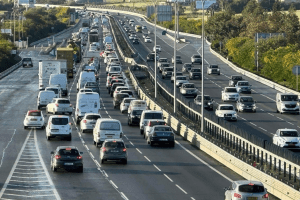
Cyprus offers drivers dramatically different experiences depending on where they travel. City streets demand alertness for roundabouts and parking challenges, mountain roads require careful handling on steep grades, and village lanes test patience with narrow passages. Understanding these differences helps drivers navigate the island safely and confidently. In-Cyprus-com Major cities like Nicosia, Limassol, and Paphos feature modern infrastructure with well-maintained roads, but they also present unique obstacles. Roundabouts appear frequently, especially at highway exits and major intersections. Traffic already on the roundabout has the right of way, so drivers must yield before entering. Local drivers move quickly through these circles, which can intimidate newcomers. Parking in city centers presents significant difficulties. Limassol has metered street parking along the seafront Molos promenade and in the old town, with pay-and-display machines requiring euro coins. Nicosia offers some free parking outside the Venetian walls along the moat, though finding a spot requires luck and patience. The old town streets are narrow, making it easy to accidentally block driveways or delivery zones. Traffic congestion hits peak levels during morning and evening rush hours. Nicosia sees particularly heavy traffic between 7:30 and 9:00 AM as commuters flood into the capital. The same pattern repeats between 5:00 and 6:30 PM when people leave work. Highway exits outside major cities require special caution because they are often…

Read more