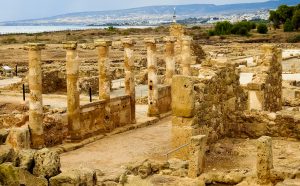
Roman Cyprus: Mediterranean Maritime Hub
When Cyprus became part of the Roman world, the island did not need to reinvent its relationship with the sea. Instead, Rome refined it. Over centuries, Roman engineers, administrators, and merchants transformed Cyprus into a carefully managed maritime province, one that linked eastern trade routes with the wider Mediterranean through ports, harbors, and logistics designed for permanence rather than improvisation. Unsplash-com From Crossroads to System Cyprus had always sat between worlds. Long before Roman rule, ships traveling between the Levant, Egypt, Asia Minor, and the Aegean passed its shores. What changed under Rome was not geography, but organization. Cyprus trade route The Romans treated the sea as infrastructure. Ports were no longer just safe places to land. They became regulated environments, engineered to control movement, store goods, and support long-distance trade at scale. Cyprus, stable and centrally located, was perfectly suited to this vision. Engineering the Coastline Roman maritime power rested on the belief that nature could be improved. Where earlier cultures relied heavily on natural bays, Roman builders reshaped coastlines to suit imperial needs. Artificial breakwaters extended into open water. Quays were reinforced to handle heavy cargo. Harbors were designed to remain functional across seasons, not only during calm months. These were not short-term solutions. Roman ports were built to last for generations. On Cyprus, this approach created a…
Read more