Explore Cyprus with Our Interactive Map

Explore our top stories and discover ideas worth your time.

Copper Mountains Cyprus Heritage

Copper Mountains Cyprus Heritage

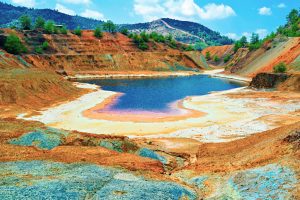
The copper-rich mountains of Cyprus, particularly the Troodos range, were seen by ancient inhabitants as divine gifts from the gods, providing not just vital metal for tools and trade but also spiritual protection and prosperity. These peaks, laced with reddish ore veins, blended natural bounty with sacred myths, making mining a reverent act and turning the island into a Bronze Age powerhouse. Exploring their story reveals how earth, faith, and human ingenuity intertwined to shape Cyprus's enduring legacy. visitsolea-com A Sacred Backbone of the Island Step into the heart of Cyprus, and you'll find the Troodos Mountains rising like ancient guardians, their slopes cloaked in pine forests and dotted with villages that seem frozen in time. These aren't just any hills - they're the island's geological core, a rugged massif stretching across the center, reaching up to Mount Olympus at over 1,950 meters. For early Cypriots, the mountains weren't mere landscape; they were a holy endowment, teeming with copper that fueled life, from farming tools to ceremonial artifacts. This blend of raw power and divine favor made the Troodos a symbol of abundance, where the gods' touch was felt in every shimmering vein of ore. Today, they stand as a reminder of how nature's gifts can inspire awe, drawing hikers, historians, and dreamers alike to their misty paths. From Ancient…

Read more

Traditional Crafts of Cyprus – Weaving Pottery Wood

Traditional Crafts of Cyprus – Weaving Pottery Wood

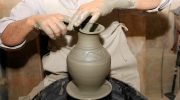
Traditional crafts in Cyprus represent centuries of accumulated artisan knowledge passed through family workshops from medieval times to the present. The island's strategic position between three continents created distinctive craft traditions blending Byzantine, Venetian, and Ottoman influences with indigenous Cypriot techniques. arti392-com Weaving, pottery, basketry, woodcarving, and metalwork sustained village economies when farming alone could not support families, with an old saying advising "learn a craft even if you don't need to and if you get hungry, practice it." The government-run Cyprus Handicraft Service, established in 1975, operates workshops in Nicosia that preserve these traditional skills through training programs, research, and marketing support. Several villages maintain craft specializations including Fyti for weaving, Kornos and Foini for pottery, Lefkara for lace and silverwork, and scattered communities for basketry. These crafts now serve cultural tourism and export markets while maintaining their role as living heritage connecting modern Cyprus to its artisan past. Weaving Traditions Across Specialized Villages Byzantine period sources document highly developed weaving traditions that continued evolving through successive civilizations. The Paphos village of Fyti became particularly renowned for its distinctive textiles called Fythkiotika, featuring colorful geometric patterns woven on undyed cotton cloth. The textiles serve as napkins, tablecloths, and bed covers with designs that have remained consistent for over 500 years. Artisans work on traditional looms called voufa, weaving patterns…

Read more
Washingtonia Palms

Washingtonia Palms

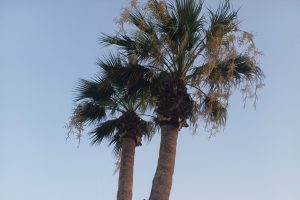
Wander along a bustling coastal promenade in Limassol or through a quiet park in Nicosia, and you might spot these towering fan-shaped trees swaying gently in the breeze. These are the Washingtonia palms of Cyprus – elegant imports from distant deserts that have become familiar landmarks across the island. But how did these American natives find a home in our Mediterranean paradise? www.inaturalist.org A Palm for Dry Lands Washingtonia belongs to the vast palm family, Arecaceae, which includes over 2,500 species worldwide, from the date palms we know so well to the coconut trees of tropical shores. In simple terms, it's a type of fan palm, known for its wide, spreading leaves that look like giant hands fanning the air. Here in Cyprus, we mainly see two varieties: the sturdy Washingtonia filifera and its slimmer cousin, Washingtonia robusta, along with their natural hybrid blends. From Desert Oases to Island Avenues These palms hail from the hot, dry deserts of southwestern America and northwestern Mexico, where they've thrived for thousands of years around precious water sources. Named in 1879 after George Washington, the first U.S. president, they caught the eye of European botanists in the 19th century and were soon shipped across the seas as ornamental wonders. In Cyprus, they likely arrived during the British colonial era around the early 1900s,…

Read more