Limassol Archaeological Museum
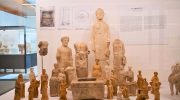
The Limassol Archaeological Museum houses a rich collection spanning 9,000 years of human civilization in southern Cyprus. Founded in 1948 and originally housed in Limassol Castle, the museum moved to its current purpose-built structure in 1975. The building consists of two long rooms joined together by two transversal spaces, covering 3,000 square meters. The exhibits focus on discoveries from the Limassol district, particularly from the ancient kingdoms of Kourion and Amathous. dynamic-media-cdn Unlike the Cyprus Museum in Nicosia, which displays material from across the entire island, this regional facility concentrates on southern coastal culture and trade. The collection includes pottery, jewelry, sculptures, tools, and everyday objects that provide insight into how ancient Cypriots lived in this fertile and strategic region. Entry is free, making the museum accessible to all visitors. Historical Background The museum displays remains of pygmy elephants and pygmy hippopotamus found at the Pre-Neolithic site of Akrotiri Aetokremnos, the earliest known site in Cyprus. These extinct animals lived on the island before humans arrived, providing evidence of Cyprus's unique ecosystem during the Ice Age. The pygmy species evolved smaller body sizes due to island isolation, a common evolutionary pattern. Tools and pottery from the Aceramic Neolithic I period through the Late Bronze Age demonstrate how early settlers developed agriculture and craft technologies. wikimedia-org Objects excavated from Chillourokampos in…
Read more