Explore Cyprus with Our Interactive Map

Explore our top stories and discover ideas worth your time.

The Sweet Shade of Cyprus Villages

The Sweet Shade of Cyprus Villages

In the warm afternoons of a Cypriot village, nothing feels more welcoming than the broad, lobed leaves of an old fig tree spreading cool shade over a stone courtyard. Heavy, pear-shaped fruits hang just out of reach, promising sweetness when they ripen to deep purple or golden brown. This is Ficus carica, the common fig, a tree woven into the island’s daily life and ancient stories for over ten thousand years. www.inaturalist.org A Noble Member of the Mulberry Family Scientifically known as Ficus carica, the common fig belongs to the genus Ficus within the Moraceae family (the mulberry or fig family) in the order Rosales, part of the broader rosid group of flowering plants. In Cyprus it grows both as a cherished cultivated tree in gardens and orchards and as a naturalised or indigenous plant in rocky places and abandoned fields. From Eden to Cypriot Hillsides Figs were among the first plants domesticated by humans, with remains found in the Jordan Valley dating back 11,400 years. In Cyprus the tree has been part of the landscape since at least the Neolithic period and is listed as indigenous in the Flora of Cyprus database. The Bible gives it special prominence: after eating the forbidden fruit, Adam and Eve “sewed fig leaves together and made coverings for themselves” (Genesis 3:7). Because the…

Read more
Ayia Napa Lover’s Bridge

Ayia Napa Lover’s Bridge

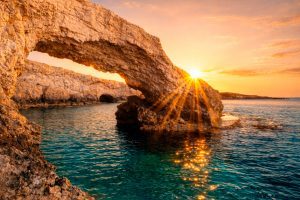
The Lover's Bridge stands as one of Cyprus's most photographed natural landmarks. This limestone arch extends from the coastal cliffs near Ayia Napa, reaching toward the Mediterranean Sea with one end firmly anchored to land while the other dips into crystal-clear turquoise water. tripadvisor-com The bridge measures approximately 6 meters long and half a meter wide, formed entirely through natural processes without any human construction. Visitors from around the world come to walk across this slender natural formation, particularly during sunset hours when golden light transforms the white limestone and azure water into a scene of remarkable beauty. The bridge takes its name from romantic traditions that have developed around the site. Local legend claims that couples who kiss while standing in the middle of the arch and make a wish together will see their wishes come true. This belief has made the location a popular destination for marriage proposals, wedding photographs, and symbolic ceremonies celebrating love and commitment. How Wave Action Sculpted the Arch The Lover's Bridge formed through a combination of mechanical and chemical erosion acting on limestone bedrock. Rainwater absorbs carbon dioxide from the atmosphere and soil, creating a weak carbonic acid solution. When this slightly acidic water contacts limestone, it triggers chemical reactions that gradually dissolve the calcium carbonate rock. Seawater contains additional dissolved salts and…

Read more
Cyprus Youth Music and Dance Initiatives

Cyprus Youth Music and Dance Initiatives

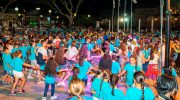
In Cyprus, music and dance often arrive in a young person’s life long before anyone calls them “heritage.” They appear in school assemblies, in family celebrations, and in the easy confidence of a village circle dance that seems to know its own steps. Youth initiatives across the island connect inherited traditions with contemporary expression, shaping identity and confidence while helping the next generation reinterpret culture in a society built at a crossroads. avia-discount A Cultural Education That Starts Early For many children, traditional rhythms and movements are first encountered casually, through school programs, local associations, or community gatherings, where participation matters more than perfection, and the goal is simply to join in. financialmirror-com Two learning paths tend to develop side by side. State-supported education introduces structure through music schools and organised dance instruction, prioritising technical skill and preservation of established forms. At the same time, community-based groups such as youth clubs, folklore associations, and informal workshops offer a more flexible approach that emphasises shared experience and learning by doing. Together, these routes allow young Cypriots to experience culture as both discipline and everyday practice, rather than choosing one and rejecting the other. Learning Beyond the Classroom Some of the strongest youth initiatives thrive outside formal education, because tradition in Cyprus is most alive when it sits inside social life instead…

Read more