Explore Cyprus with Our Interactive Map

Explore our top stories and discover ideas worth your time.

Limassol Archaeological Museum

Limassol Archaeological Museum

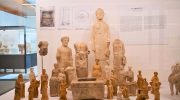
The Limassol Archaeological Museum houses a rich collection spanning 9,000 years of human civilization in southern Cyprus. Founded in 1948 and originally housed in Limassol Castle, the museum moved to its current purpose-built structure in 1975. The building consists of two long rooms joined together by two transversal spaces, covering 3,000 square meters. The exhibits focus on discoveries from the Limassol district, particularly from the ancient kingdoms of Kourion and Amathous. dynamic-media-cdn Unlike the Cyprus Museum in Nicosia, which displays material from across the entire island, this regional facility concentrates on southern coastal culture and trade. The collection includes pottery, jewelry, sculptures, tools, and everyday objects that provide insight into how ancient Cypriots lived in this fertile and strategic region. Entry is free, making the museum accessible to all visitors. Historical Background The museum displays remains of pygmy elephants and pygmy hippopotamus found at the Pre-Neolithic site of Akrotiri Aetokremnos, the earliest known site in Cyprus. These extinct animals lived on the island before humans arrived, providing evidence of Cyprus's unique ecosystem during the Ice Age. The pygmy species evolved smaller body sizes due to island isolation, a common evolutionary pattern. Tools and pottery from the Aceramic Neolithic I period through the Late Bronze Age demonstrate how early settlers developed agriculture and craft technologies. wikimedia-org Objects excavated from Chillourokampos in…

Read more

Cyprus Mining Museum Skouriotissa

Cyprus Mining Museum Skouriotissa

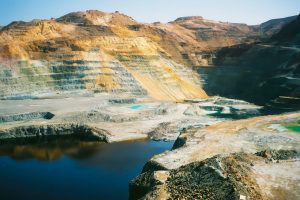
The Museum of Mining Heritage in Katydata village tells the story of Cyprus through its most defining resource: copper. Located near the Skouriotissa copper mine, the oldest continuously operated copper mine in the world, this small museum preserves the island's 4,000-year relationship with the metal that gave Cyprus its name. сvisitsolea-com The museum sits in the centre of Katydata village, next to the Community Council office. The village lies approximately 13 kilometres from Astromeritis, positioned in the Solea Valley where Cyprus's richest copper deposits concentrate. The Community Council and Emigrants Association of Katydata created the museum to document the mining heritage that shaped their region and connected Cyprus to ancient Mediterranean civilizations. Inside the Mining Caverns The first hall recreates the underground experience of working in Cyprus's copper mines. Designers modeled the space after the caverns of the Fukassa Mines, one of several ancient mining sites in the area. Large wooden beams support the low ceiling, mimicking the structural supports that prevented cave-ins in actual mine tunnels. The walls bear colours matching the minerals found in nearby deposits, giving visitors a sense of the geological environment miners worked within. visitsolea-com This immersive approach helps people understand the physical conditions of mining work. The damp caverns, low ceilings, and confined spaces tell a story beyond what artifacts alone could convey. Tools…

Read more
Cyprus Farming Rhythms and Seasonal Traditions

Cyprus Farming Rhythms and Seasonal Traditions

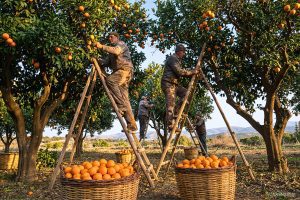
Cyprus agriculture follows ancient patterns shaped by Mediterranean climate and generations of farming wisdom. The island produces diverse crops throughout the year, from citrus fruits and potatoes to grapes and olives. Over 320 sunny days annually create ideal conditions for cultivation, though water scarcity challenges farmers who consume 70% of the island's resources for irrigation. nano-banana Small family farms dominate the landscape despite modernization. Agriculture contributes roughly 2% to GDP while employing 7% of the workforce. The sector supports rural communities and preserves village life across mountainous terrain. Traditional methods blend with contemporary techniques as Cyprus maintains its reputation for quality Mediterranean produce. Ancient Roots Shape Modern Agriculture Farming traditions in Cyprus stretch back to the 2nd millennium BC, with archaeological evidence of olive pressing from the 13th century BC. The island cultivated grains, vines, and olive trees for millennia. Ottoman rule introduced land classifications that persisted through British colonial administration until independence in 1960. nano-banana The Church of Cyprus emerged as the largest private landowner, controlling an estimated 5.8% of arable land before 1974. British authorities reformed ownership laws in 1946, allowing unrestricted private land ownership for the first time. Agricultural cooperatives formed in 1909 after farmers toured Britain and Germany, studying their systems. Today, farming faces mountainous terrain that complicates mechanical cultivation. The government promotes drought-resistant crops and…

Read more