Explore Cyprus with Our Interactive Map

Explore our top stories and discover ideas worth your time.

The Cyprus Cedar (Cedrus brevifolia)

The Cyprus Cedar (Cedrus brevifolia)

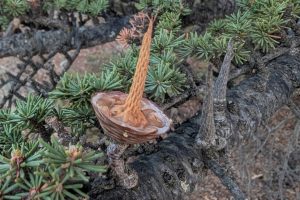
High in the Troodos Mountains of western Cyprus, ancient cedars stand like silent guardians of the island's wild heart. The Cyprus Cedar, an endemic conifer found only here, grows in scattered groves with its distinctive short needles and broad, layered branches. Encountering these majestic trees feels like stepping into a timeless forest where nature has preserved a rare piece of Mediterranean heritage. Description and naming The Cyprus Cedar, Ο κέδρος, known scientifically as Cedrus brevifolia s a large evergreen coniferous tree unique to Cyprus that forms pure or mixed stands in high mountain areas. Although it is sometimes treated as a variety of Cedrus libani, the famous cedars of Lebanon, Cyprus Cedar can be distinguished by its shorter, thicker and bluntish leaves, hence the scientific epithet — brevifolia (short-leaved). This cedar has thrived in Cyprus's mountainous landscapes for millennia, adapted to the island's isolated geography and igneous soils. Confined to a small region of 290 hectares in the western Troodos, it has evolved alongside other endemic species, surviving through ancient climatic shifts and becoming a key part of the local ecosystem long before human settlement. Appearance The Cyprus Cedar grows to 15–30 metres tall (sometimes more in ideal conditions), pyramidal at first and with a broad, umbrella-shaped crown in mature trees. Horizontally spreading branches create layered tiers. Its needles are…

Read more
Cyprus Rocky Coastal Ecosystems

Cyprus Rocky Coastal Ecosystems

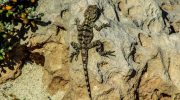
Rocky Coastal and Cliff Ecosystems are specialized habitats along Cyprus's shoreline, where flora and fauna have adapted to limestone cliffs, constant sea spray, and arid conditions. These ecosystems, featuring rugged vertical faces and narrow ledges, support resilient plants like sea lavender and animals such as the Mediterranean monk seal, creating a unique blend of marine and terrestrial life. They highlight the island's geological diversity, where erosion and salt exposure forge niches for species found nowhere else, underscoring the delicate balance of coastal biodiversity. polityka-pl A Specialized Habitat Along the Shore Rocky coastal and cliff ecosystems in Cyprus form dramatic landscapes where vertical limestone walls meet the sea, shaped by waves, wind, and salt spray. These habitats, spanning much of the island's 648km coastline from Cape Arnaouti to Cape Greco, endure arid conditions with rainfall under 400mm annually and constant aerosol from breaking waves. Flora clings to crevices, with roots penetrating rock for stability, while fauna exploits sheltered nooks for breeding. This environment supports over 200 plant species and 50 reptiles, many endemic, making it a key biodiversity zone. Sea spray deposits salt, creating halophytic conditions that select for adapted life, while cliffs' height (up to 100m at Episkopi) provides isolation, promoting speciation. en-wikipedia-org. Formation Through Geology and Time These ecosystems emerged from Miocene limestone deposits 5–23 million years ago, uplifted…

Read more

Avakas Gorge Hiking Trail

Avakas Gorge Hiking Trail

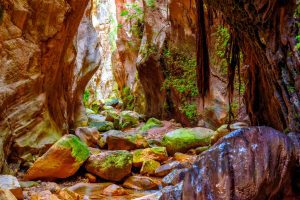
Avakas Gorge sits within Pegeia State Forest at the southwestern edge of the Akamas Peninsula, approximately 20 kilometers west of Paphos. The gorge follows the course of the Avgas River, which gave the canyon its name. chooseyourcyprus.com Constant erosive activity on sloping limestone rocks created this dramatic formation. The rocks consist of loams, chalks, reef limestone, grain limestone, and bentonitic clays that erode at different rates. The gorge area holds protected status as a Natura 2000 site and was designated a Plant Micro-Reserve under the Cyprus Forest Law in 2013. Historical Background Geologists believe Avakas Gorge emerged from the sea when tectonic forces lifted the entire region. The Avgas River began its work of erosion millions of years ago. Water flowing over the limestone gradually carved deeper into the rock, creating steep vertical walls. The gorge became narrower and deeper with each passing century as the river continued its relentless cutting. The ancient Greek word "avakas" means without voice or mute, possibly referring to how the towering walls muffle sound within the canyon. Local shepherds and travelers have used this route for centuries. The gorge provided shelter, fresh water, and a passage through otherwise difficult terrain. People shared stories of mythical creatures inhabiting the shadowy recesses between the cliffs. The geological formations visible in the gorge walls reveal layers deposited…

Read more