Explore Cyprus with Our Interactive Map

Explore our top stories and discover ideas worth your time.

Cyprus Metal Crafts Through Ages

Cyprus Metal Crafts Through Ages

Cyprus holds a unique position in metalworking history. The island gave its name to copper itself, with the Latin term "cuprum" deriving from "Cyprus." For over 6,000 years, Cypriot artisans have shaped metals into tools, weapons, jewelry, and decorative objects. The tradition spans from simple Chalcolithic copper tools around 4000 BCE to Byzantine gold treasures and modern handcrafted silver jewelry. This heritage connects ancient mining operations in the Troodos Mountains with contemporary workshops where craftspeople maintain techniques passed down through generations. myfirstticket.com Historical Background The metal story in Cyprus begins during the Chalcolithic period when early settlers discovered native copper deposits. By 3000 BCE, Cypriots were already working copper to create artifacts of high quality that circulated throughout the Mediterranean. Archaeological evidence shows that copper smelting started during the third millennium BCE, transforming the island into a major production center. www.ancientcyprus.com The Bronze Age brought massive expansion. Cyprus became the largest copper supplier around the Mediterranean, with the island's strategic location between three continents making it a vital trading hub. Ancient texts from Babylon, Mari, and Alalakh dating to the 19th through 17th centuries BCE mention copper from Alashiya, the Bronze Age name for Cyprus. The Ulu Burun shipwreck discovered off Turkey's southwestern coast carried over 10 tons of Cypriot copper ingots when it sank in the late 14th century…

Read more

Fikardou Rural Museum

Fikardou Rural Museum

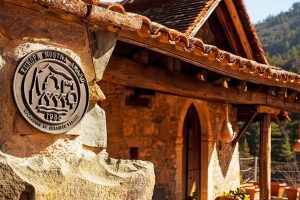
The Fikardou Rural Museum consists of two restored stone houses in the village of Fikardou, located 40 kilometers southwest of Nicosia in the Troodos Mountains. The museum preserves traditional Cypriot rural life through authentic buildings and exhibits from the 16th to 19th centuries. pixabay-com The entire village functions as a living museum, with narrow cobblestone streets and traditional stone houses that transport visitors to another era. The settlement was nearly abandoned during the 20th century when residents moved to urban areas for work and modern amenities. By the 1970s, only a handful of elderly people remained. Historical Background The village name likely derives from the Greek phrase "figa andron," which means "den of fugitives." According to tradition, two dominant clans controlled the region between 400 AD and 800 AD, and fugitives sought refuge in these remote mountains. The earliest written reference to Fikardou dates to 1825 during the Ottoman period. visitcyprus-com Historical connections exist to medieval Cyprus through the Ficardo family. The most notable member was Sir Thomas Ficardo, who served as Chancellor to King James II and Queen Catherine Cornaro in the 15th century. The village belonged to Machairas Monastery during the Byzantine Komnenos dynasty. Inhabitants focused on olive harvesting, grape cultivation, and subsistence farming. The village maintained traditional agricultural practices for centuries. The remote mountain location provided some…

Read more
Pyla-Kokkinokremos

Pyla-Kokkinokremos

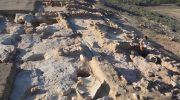
Pyla-Kokkinokremos stands as one of Cyprus's most remarkable archaeological sites, offering a rare snapshot of life during the final decades of the Bronze Age. This fortified settlement, occupied for barely 50 years around 1200 BC, preserves evidence of a multicultural community that thrived briefly before vanishing from history. The site occupies a rocky plateau rising 50 to 63 meters high, located about 10 kilometers east of ancient Kition (modern Larnaca) on Cyprus's southeast coast. The plateau covers approximately seven hectares and sits roughly 800 meters from the current coastline. This naturally defensible position overlooked Larnaka Bay and connected major Bronze Age centers like Kition and Enkomi. The settlement emerged during the Late Cypriot IIC–IIIA period, established at the end of the 13th century BC when the Late Bronze Age collapse reached its peak. Within a generation or two, by the early 12th century BC, residents abandoned the site. This brief occupation makes Pyla-Kokkinokremos invaluable to archaeologists, as it captures a precise moment in history without complications from later rebuilding. Archaeological Discovery and Excavations Porphyrios Dikaios first examined the site in 1952. Vassos Karageorghis conducted excavations in 1981–1982, then returned with Athanasia Kanta between 2010 and 2013. Since 2014, an international team from Ghent University, the Catholic University of Louvain, and the Mediterranean Archaeological Society has carried out systematic excavations under…

Read more