Explore Cyprus with Our Interactive Map

Explore our top stories and discover ideas worth your time.

Pine Forest Villages Cyprus

Pine Forest Villages Cyprus

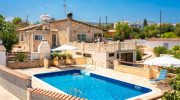
Pine forest villages in the Troodos Mountains showcase traditional Cypriot architecture where stone houses with wooden balconies cling to mountainsides at elevations between 600 and 1,200 meters. These settlements developed amid orchards, vineyards, and dense pine forests that provide cool escape from coastal summer heat. pixabay-com Kakopetria, Platres, and Pedoulas represent the most prominent examples, with stone-built structures featuring sloping terracotta tile roofs, wooden shutters, and cobbled streets preserved as protected cultural heritage. The architecture responds to mountain conditions including snow, rainfall, and steep terrain uncommon in lowland Cyprus. Kakopetria is cradled between the Kargotis and Garillis rivers, which converge to form the Klarios River, creating lush green environments where water mills once ground grain for village populations. These mountain retreats served dual functions as permanent agricultural communities and summer resorts where coastal residents escaped heat during the Ottoman and British colonial periods. Kakopetria's Protected Old Quarter The village is celebrated for its meticulously preserved old quarter, Kakopetria village, which stands as a protected national monument of Cypriot heritage architecture. Its overhanging wooden balconies, narrow stone-paved streets, and restored houses create a timeless atmosphere that feels like stepping into a bygone era. Located at 667 meters elevation in the Solea Valley, Kakopetria sits southwest of Nicosia on the northern Troodos slopes. pixabay-com The name translates to "bad rock," derived from…

Read more
Roman Road Network

Roman Road Network

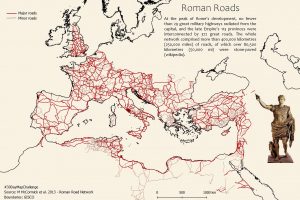
Cyprus already had roads before the Romans arrived. The earliest routes date back to the Bronze Age, and by the end of the Hellenistic period, a road network circled the entire island. These pre-Roman roads connected cities with their surrounding territories and linked major settlements along the coast. However, they were often simple tracks suitable for pedestrians and pack animals rather than the engineered highways Romans built elsewhere in their empire. pixabay-com When Cyprus became a Roman province in 22 BC under Emperor Augustus, the new administration inherited this existing network. The Romans added secondary roads and improved certain routes, but they did not rebuild the entire system to match the standards used in Italy or other provinces. This practical approach reflected Cyprus's geography and peaceful status. The island was stable enough not to require a large military presence, so the roads served primarily civilian purposes rather than rapid military deployment. Augustus and later Emperor Titus are credited in inscriptions as the creators of the formal Roman road system on Cyprus. The roads they established formed part of the imperial network, meaning they received official recognition and maintenance funding from Rome itself. How the Road System Worked The main roads formed a coastal highway that encircled the island, connecting all major cities. From this primary route, secondary roads branched inland…

Read more
Glyko tou Koutaliou Cyprus Sweet

Glyko tou Koutaliou Cyprus Sweet

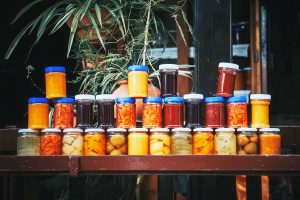
In Cyprus, hospitality often begins with something small, deliberate, and deeply symbolic. Glyko tou koutaliou, the traditional spoon sweet, is offered not as dessert but as a gesture of welcome. Served in a single spoonful with cold water, it reflects patience, respect, and care. cyprusisland-net Rooted in preservation and shaped by celebration, this quiet tradition links everyday home life with festivals, milestones, and cultural memory across the island. A Welcome Measured in One Spoon Glyko tou koutaliou translates directly as “sweet of the spoon,” but its meaning goes far beyond the words. Unlike jams or spreads, these sweets preserve fruits, peels, nuts, or petals whole, suspended in clear sugar syrup and served in small portions. The act is intentional. A guest is not given abundance but attention. One spoonful is enough to signal generosity without excess. In Cypriot homes, this offering often comes before conversation, setting the tone for hospitality built on respect rather than display. Preservation That Became Tradition The origins of glyko tou koutaliou lie in necessity. Before refrigeration, Cypriot households preserved seasonal produce to ensure nothing went to waste. Sugar, honey, or grape must extended the life of fruits harvested at their peak. thegreekvibe-com Over time, preservation turned into refinement. Families developed techniques that favored texture, clarity, and balance. What began as practical food storage gradually evolved…

Read more