Explore Cyprus with Our Interactive Map

Explore our top stories and discover ideas worth your time.

Sanctuary of Apollo Hylates

Sanctuary of Apollo Hylates

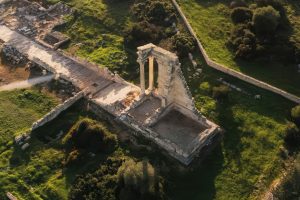
The Sanctuary of Apollo Hylates was one of the most important religious centres in ancient Cyprus, set within the wooded landscape near Kourion. Dedicated to Apollo in his role as protector of forests and nature, it combined Greek religious traditions with older local beliefs and attracted pilgrims for centuries. The sanctuary reveals how religion, nature, and daily life were closely connected in the ancient world. cyprusalive-com A Sacred Place in the Forest The Sanctuary of Apollo Hylates lies west of ancient Kourion, surrounded by gentle hills and woodland. Unlike urban temples built into city centres, this sanctuary was deliberately placed in nature, reflecting the character of the god worshipped there. limassoltourism-com Apollo Hylates was not the sun god or musician known from classical myths, but a guardian of forests, wild landscapes, and natural balance. The setting itself was part of the sacred experience, where worshippers felt close to both the god and the land. Roots Older Than the Greeks The origins of the sanctuary reach back to the Late Bronze Age. Before Greek settlers arrived, local communities already worshipped a nature deity connected to trees and the wilderness. When Greek culture spread to Cyprus, this local god was identified with Apollo. chatgpt-com Rather than replacing older beliefs, Greek religion absorbed them. The result was Apollo Hylates, a uniquely Cypriot form…

Read more
Blooms from the Ironclad Hills

Blooms from the Ironclad Hills

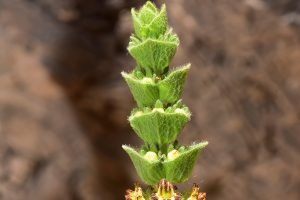
Picture a rugged cliffside in northern Cyprus, where a sturdy herb clings to limestone cracks, its yellow flowers nodding in the breeze like tiny suns defying the harsh terrain. This is mountain tea, or Sideritis, a group of wild herbs cherished across the Mediterranean, but in Cyprus, home to a rare endemic species that tells a story of resilience and ancient healing. www.inaturalist.org A Humble Herb with Aromatic Kin Mountain tea belongs to the vast mint family, a diverse clan of over 7,000 species that includes everyday favorites like basil, rosemary, and oregano – all sharing square stems and leaves brimming with fragrant oils. In simple terms, it's a wild shrub that thrives in sunny, dry spots, much like its relatives that spice up gardens and wild meadows worldwide. Roots in Healing Traditions The name Sideritis echoes ancient Greek for "iron," perhaps from its use in treating wounds from iron weapons or its tough, iron-like endurance. In Cyprus, its history ties back to early island dwellers who gathered wild herbs for teas and salves, much like across the Mediterranean where healers like Dioscorides praised it in texts from 2,000 years ago. Over centuries, it became a folk staple, brewed by shepherds for strength and shared in villages as a soothing sip amid the island's shifting empires and climates. Woolly Stems…

Read more

Marion Polis Chrysochous

Marion Polis Chrysochous

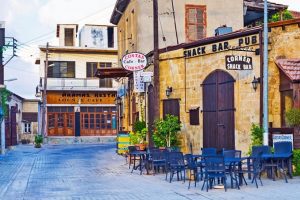
On the northwest coast of Cyprus, the small town of Polis Chrysochous sits on top of two ancient cities. Most people who pass through treat it as a quiet stop on the way to the Akamas Peninsula. chooseyourcyprus-com Few realise that beneath the modern streets, beneath the cafes and the central square, there are over 3,000 years of history. The town is built directly on the ruins of Marion, one of the ten city-kingdoms of ancient Cyprus, and its later successor, Arsinoe. The name "Chrysochous" itself is a clue. It comes from the Greek word "chrysos," meaning gold. This was not a random choice. It was a city that made its name from the ground beneath it. Historical Background The earliest traces of human activity in the area date back to the Neolithic period. The land was occupied long before anyone thought to build a city. According to ancient literary sources recorded by the Byzantine writer Stephanos Vyzantios, Marion was founded by a legendary king called Marieas. Tradition also connects the area to Akamas, the son of the Athenian hero Theseus, who is said to have passed through the region after the Trojan War and gave his name to the nearby cape and peninsula. By the 8th century BC, Marion had grown into a formal city-kingdom. It sat on two…

Read more