Explore Cyprus with Our Interactive Map

Explore our top stories and discover ideas worth your time.

Sheftalia Cypriot Street Food

Sheftalia Cypriot Street Food

Sheftalia is a traditional Cypriot sausage made from ground meat wrapped in caul fat, a thin membrane that surrounds animal organs. The mixture uses pork, lamb, or a combination of both, along with finely chopped onions, fresh parsley, and basic seasonings. trskinfo-ru The meat is formed into oval shapes and encased in the lacy caul fat before grilling over charcoal. Unlike standard sausages that use casings, sheftalia relies on this natural membrane that melts during cooking. This creates a crispy exterior while the fat bastes the meat from the outside, keeping it tender and moist inside. The name comes from the Turkish word "şeftali," which means peach, likely referring to the texture or appearance of the finished product. Historical Context Sheftalia appeared in Cyprus during the 19th century, when meat was expensive and cooks found ways to maximize every part of the animal. The caul fat, which might otherwise go unused, became the perfect wrapper to preserve moisture and enhance flavor. Two theories explain the name's origin: The first connects it to "şeftali kebabı," meaning peach kebab in Turkish, possibly describing the texture. The second attributes it to a Turkish Cypriot street vendor called Şef Ali, or Chef Ali, who supposedly created "Şef Ali kebabı," which eventually became known as sheftali or sheftalia. The dish reflects Ottoman influence on Cypriot…

Read more

House of Eustolios In Cyprus Roman Villa Mosaics

House of Eustolios In Cyprus Roman Villa Mosaics

Perched on the southern cliffs of ancient Kourion near modern Limassol, the House of Eustolios stands as one of Cyprus's most fascinating archaeological sites. This late 4th-century complex blends Roman luxury with early Christian devotion, creating a unique window into a transformative period in Mediterranean history. britonthemove-com Originally built as a private villa, the structure evolved into a public recreation center that served Kourion's citizens for over two centuries. Historical Background traveladventures-org The House of Eustolios rose from the ruins of catastrophe. In 365 AD, a massive earthquake devastated the eastern Mediterranean, striking Kourion with particular force. The ancient city, which had thrived as one of Cyprus's major kingdoms since the 13th century BC, lay in rubble. Buildings collapsed, infrastructure crumbled, and the population struggled to survive among the wreckage. Twenty-five years after the disaster, Kourion remained in a dismal state. Into this scene returned Eustolios, a wealthy Christian citizen who had been away from his hometown. Shocked by the continued suffering of his fellow citizens, he made a remarkable decision. Rather than simply rebuild for himself, Eustolios constructed an elaborate complex on the ruins of an earlier Roman villa and donated the entire facility for public use. The timing proved significant. Emperor Theodosius I had just made Christianity the official religion of the Roman Empire in 380 AD. Eustolios…

Read more
Cypriot Byzantine Chant

Cypriot Byzantine Chant

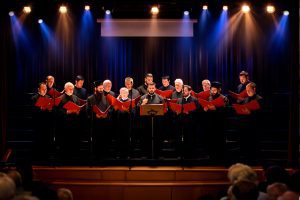
Byzantine Chant in Cypriot Style is a localized variant of Orthodox liturgical music, characterized by unique melodic phrasing and vocal delivery that distinguish it from mainland traditions. Preserved in monasteries and village churches across the island, it incorporates ancient modes with Cypriot inflections, blending spiritual depth with cultural expression. This form of chant reflects Cyprus's role as a guardian of Byzantine heritage, evoking how sacred sound has shaped devotion for centuries. A Distinct Voice in Orthodox Liturgy Byzantine chant in Cypriot style represents a regional adaptation of the Eastern Orthodox musical tradition, where melodies and rhythms carry theological meaning through voice alone. Developed over centuries in Cyprus's isolated monasteries and rural churches, it features elongated notes, subtle ornamentation, and a nasal timbre that evoke emotion and reverence. This style not only accompanies services but also serves as a cultural anchor, preserving ancient hymnody while incorporating local dialects and rhythms. Its survival highlights Cyprus's position as a crossroads of influences, where Byzantine purity met Mediterranean flavors, creating a chant that feels both timeless and intimately island-bound. Historical Origins and Evolution The roots of Cypriot Byzantine chant trace to the early Christian era, when the island adopted liturgical music from Constantinople around the 4th century AD. Apostles Barnabas and Paul introduced Christianity in the 1st century, as recorded in the Acts of…

Read more