Explore Cyprus with Our Interactive Map

Explore our top stories and discover ideas worth your time.

Cyprus Museum Nicosia

Cyprus Museum Nicosia

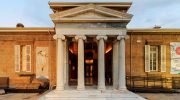
The Cyprus Museum stands on Museum Street in central Nicosia as the oldest and largest archaeological museum in Cyprus. Founded in 1882 during British occupation, the museum houses the most extensive collection of Cypriot antiquities in the world. The institution displays only artifacts discovered on the island, creating a focused narrative of Cyprus's archaeological heritage from the Neolithic period through the Roman era.  wikimedia.org The museum building itself carries historical importance, with construction commencing in 1908 and completing in 1924 when Cyprus remained a British colony. Extensions added in 1961 created additional galleries, storerooms, and offices that surround a central square area housing auxiliary offices, a library, and laboratories for preserving and studying items. Fourteen display halls follow chronological and thematic succession, though the collection has far outgrown existing capacity with only a small fraction on display at any time. How a petition saved Cyprus's heritage The museum was founded following a petition delivered to British authorities by a delegation headed by religious leaders of both Christian and Muslim populations. The catalyst for this action was several illicit excavations and the smuggling of antiquities off the island during the early British period.  tandfonline.com Cypriots recognized that their archaeological heritage was disappearing to foreign museums and private collections, prompting joint action across religious communities. The British administration agreed to establish a…

Read more
Traditional Animal Farming in Cyprus Rural Life

Traditional Animal Farming in Cyprus Rural Life

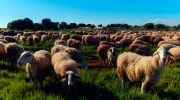
Traditional animal farming formed the economic and cultural foundation of Cyprus villages for millennia, with sheep, goats, cattle, pigs, and poultry sustaining rural communities through meat, milk, eggs, and raw materials for clothing and tools. The Bronze Age village of Politiko-Troullia from 2050 to 1850 BC already showed evidence of copper metallurgy alongside sheep, goat, cattle, and pig consumption, establishing patterns that persisted for 4,000 years. otzyv-ru Sheep and goat farming developed particular importance due to their suitability for Cyprus's rocky terrain, scrubland vegetation, and semi-arid climate. These hardy animals provided the milk for halloumi, Cyprus's most famous product, which traditionally used only sheep and goat milk before modern commercial production began adding cow milk. The island maintained approximately 3,500 shepherds and goat farmers into the 20th century who followed transhumance patterns between lowland winter pastures and mountain summer grazing. This traditional system collapsed during the 1980s as modernization, European Union regulations, and urban migration transformed animal husbandry from small family enterprises into larger commercial operations. Ancient Livestock Traditions and Bronze Age Evidence Archaeological excavations at Politiko-Troullia in the Troodos foothills revealed sophisticated Bronze Age livestock management strategies that combined herding with copper metallurgy and crop cultivation. Faunal analysis identified consumption of sheep, goat, cattle, and pig as daily subsistence, with community-scale ritual feasting focused on fallow deer. The inhabitants…

Read more

Cyprus Honey

Cyprus Honey

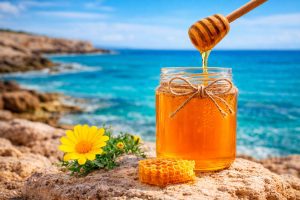
Honey in Cyprus is not simply a food product. It reflects landscape, climate, and survival shaped over centuries. Produced mainly in mountain and rural areas, Cypriot honey carries the character of wild thyme, pine forests, citrus groves, and seasonal movement across the island. Long before sugar became common, honey served as the primary sweetener, a form of medicine, and a symbol of hospitality. Its role has never disappeared. Instead, it has evolved alongside changing lifestyles and technologies. thegreekvibe-com An Island That Shapes Its Honey Cyprus’s geography plays a decisive role in how honey is produced. Two mountain ranges, varied elevations, and sharply contrasting microclimates allow flowering to unfold in stages rather than all at once. Coastal plains warm early in the year, while foothills and high mountain slopes bloom later, extending the foraging season for bees. This vertical landscape makes beekeeping in Cyprus inherently mobile. Apiaries are often moved throughout the year, following blossoms from lowland citrus groves to the thyme-covered slopes of the Troodos Mountains. Honey here is shaped as much by movement as by place, with each harvest reflecting a specific altitude, season, and environment. The Native Bee and Local Resilience At the heart of Cypriot honey production is a native honeybee adapted to the island's demanding conditions. This bee has developed endurance in heat, wind, and drought…

Read more