Explore Cyprus with Our Interactive Map

Explore our top stories and discover ideas worth your time.

Best Cyprus Cultural Sites for Photography

Best Cyprus Cultural Sites for Photography

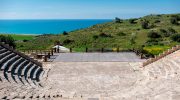
Cyprus holds a vast array of cultural sites that serve as perfect subjects for professional photography. These locations reflect thousands of years of human history and architectural evolution. Photographers find a wealth of visual material in the ancient stone structures and narrow streets. The island possesses a unique light that enhances the textures of historical masonry and marble. Each site offers a different perspective on the past through its ruins and preserved buildings. This guide provides a detailed look at the most significant cultural locations for high-quality imagery. A professional approach to these sites requires an understanding of their historical context and physical layout. Precise angles and careful timing lead to the best photographic results. This article explores seven key destinations that define the cultural landscape of the island today. 8 Best Cultural Sites for Photography If you’re planning a photography trip to Cyprus, prioritize sites like Famagusta Gate, the Kolossi Castle, and the Sanctuary of Apollo Hylates. These locations offer diverse backdrops, from coastal views to intricate medieval architecture. They’ll definitely ensure a rich portfolio that captures the island's layered cultural and historical narratives. 1. Famagusta Gate Nicosia Famagusta Gate stands as the most impressive entrance among the three original gates of the Venetian walls in Nicosia. The architecture features a large dome that allows natural light to enter…

Read more
Büyük Han Nicosia Ottoman Caravanserai

Büyük Han Nicosia Ottoman Caravanserai

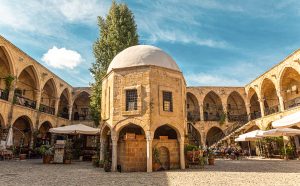
In the center of the Turkish-occupied part of Nicosia’s Old City stands a building that has had many lives. It has been a merchant’s inn, a prison, a home for displaced families, and today it is a lively cultural center. Built in 1572, just two years after the Ottomans took over Cyprus, Büyük Han is the largest and best example of caravanserai architecture on the island. The building is almost square, measuring 50.67 by 45.25 meters, and has 68 rooms on two floors arranged around a central courtyard. It was originally built for traveling merchants and traders who connected Cyprus with Anatolia, the Levant, and beyond. Büyük Han is considered one of the best surviving examples of Ottoman architecture in Cyprus and has been a protected monument since its restoration in the 1990s. The History Behind the Great Inn Büyük Han was built in 1572 under Muzaffer Pasha, the first Ottoman governor of Cyprus. Some sources say it might have been completed by his successor, Sinan Pasha, because Muzaffer Pasha was reassigned shortly after the island was taken. Muzaffer Pasha brought an architect from Constantinople named Bostan, who may have designed Büyük Han. The design was based on the Koza Han in Bursa, Turkey, a famous Ottoman caravanserai. It has a central courtyard and fortified elements, with open arcades to…

Read more

Cyprus Sustainable Diving and Sea Life Conservation

Cyprus Sustainable Diving and Sea Life Conservation

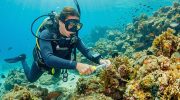
Cyprus diving operations have integrated conservation practices into their regular activities to protect Mediterranean marine ecosystems. Dive centers conduct underwater cleanups, monitor sea turtle populations through photo identification databases, and train divers to remove marine debris without disturbing habitats. The approach combines tourism with active environmental stewardship, transforming recreational diving into a tool for marine conservation. The island's waters support endangered species, including green sea turtles, loggerhead turtles, and the critically endangered Mediterranean monk seal. Posidonia oceanica seagrass meadows create essential habitats for hundreds of marine species. Five marine protected areas covering approximately 134 kilometers of coastline in the Turkish-occupied part of Cyprus and mapped seagrass beds in the south provide frameworks for conservation efforts that diving operations help implement. Historical Context Marine conservation in Cyprus initially focused on protecting nesting beaches for sea turtles. The Marine Turtle Conservation Project began monitoring the Turkish-occupied part of Cyprus beaches in 1992 after preliminary studies revealed significant populations of nesting green and loggerhead turtles. The project established long-term research programs and protective measures including nest caging to prevent predation by stray dogs and foxes. Diving operations entered conservation work more recently. In 2021, Project Xenios launched after divers from Cyprus Diving Centre in Pernera discovered a dead green turtle named Xenios entangled in fishing line. The Cyprus Marine and Maritime Institute completed…

Read more