Explore Cyprus with Our Interactive Map

Explore our top stories and discover ideas worth your time.

Use of Talismans and Herbs in Cyprus

Use of Talismans and Herbs in Cyprus

Cyprus maintains ancient traditions of protective talismans and healing herbs that defend against supernatural harm and physical illness. The blue glass evil eye amulet appears everywhere across the island, worn as jewelry, pinned on babies, hung in homes and vehicles. These nazar charms ward off envious gazes that cause spiritual and physical suffering. Garlic cloves dangle near doorways to keep evil forces away, combining multiple protective strategies. Silver crosses provide Christian spiritual protection while pre Christian symbols offer additional safeguards. Both Greek and Turkish Cypriot communities share remarkably similar talisman traditions despite political division, proving that folklore unites the island. These protective objects operate alongside modern medicine rather than replacing it, with Cypriots using both systems without seeing contradiction. The Power and Meaning of Blue Eye Talismans The nazar or evil eye amulet consists of concentric circles in blue, light blue, white, and dark blue representing an eye that absorbs harmful energy before it reaches the owner. Blue holds special protective power due to ancient associations with divinity, as Egyptians considered blue the divine color and Sumerians viewed it as a symbol of gods. The eye shape works through principles of sympathetic magic, with the representation of an eye deflecting actual harmful gazes. Parents pin these charms on newborn babies from their first days of life, believing infants face particular…

Read more
Nea Paphos Basilica Mosaics

Nea Paphos Basilica Mosaics

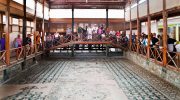
The basilica mosaics of Nea Paphos show how Cyprus shifted from Roman myth culture to Christian worship without abandoning its strongest visual craft. Using familiar techniques, artists replaced narrative gods and heroes with symbols, vines, animals, and geometry that guided movement and reinforced theology inside new communal basilicas. This article explains how the change happened across key churches in Kato Paphos, what motifs were repurposed, and why these floors remain one of the clearest records of cultural adaptation on the island. Mosaics You Miss at First Long before Christianity reached Cyprus, Nea Paphos was already a city of mosaics. As the island’s administrative capital during the Hellenistic and Roman periods, it developed a strong tradition of floor decoration in elite houses and public buildings. Mythological scenes, hunting imagery, marine creatures, and geometric borders filled the villas of wealthy residents. This matters because the Christian mosaics did not appear in isolation. The artisans, materials, and techniques were already present. What changed was not the craft, but the message. When Christianity began to take hold in the 4th century, the language of mosaics was repurposed rather than replaced. Paphos Already Knew Mosaic Luxury The most dramatic shift brought by Christianity was not stylistic, but spatial. Pagan mosaics belonged largely to private homes, where they reinforced status, education, and cultural identity. Christian mosaics…

Read more

Roman Road Network Ancient Cyprus Routes

Roman Road Network Ancient Cyprus Routes

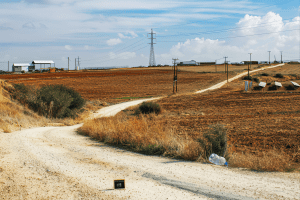
Cyprus already had roads before the Romans arrived. The earliest routes date back to the Bronze Age, and by the end of the Hellenistic period, a road network circled the entire island. These pre-Roman roads connected cities with their surrounding territories and linked major settlements along the coast. However, they were often simple tracks suitable for pedestrians and pack animals rather than the engineered highways Romans built elsewhere in their empire. When Cyprus became a Roman province in 22 BC under Emperor Augustus, the new administration inherited this existing network. The Romans added secondary roads and improved certain routes, but they did not rebuild the entire system to match the standards used in Italy or other provinces. This practical approach reflected Cyprus's geography and peaceful status. The island was stable enough not to require a large military presence, so the roads served primarily civilian purposes rather than rapid military deployment. Augustus and later Emperor Titus are credited in inscriptions as the creators of the formal Roman road system on Cyprus. The roads they established formed part of the imperial network, meaning they received official recognition and maintenance funding from Rome itself. How the Road System Worked The main roads formed a coastal highway that encircled the island, connecting all major cities. From this primary route, secondary roads branched inland to…

Read more