Explore Cyprus with Our Interactive Map

Explore our top stories and discover ideas worth your time.

Cyprus’s Prehistoric and Neolithic Periods

Cyprus’s Prehistoric and Neolithic Periods

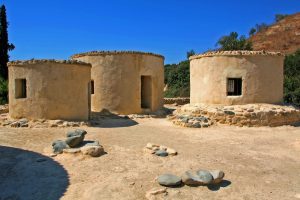
Long before the ancient Greeks built their temples or the Romans laid their mosaics, Cyprus was home to some of the Mediterranean's earliest farming communities. These prehistoric pioneers built villages, grew crops, and created a culture that would lay the foundation for thousands of years of Cypriot civilization. The Island's First Settlers Cyprus's prehistoric story begins over 11,000 years ago when the island's landscape looked dramatically different from today. The first humans to arrive found a land inhabited by pygmy hippos and dwarf elephants - miniature versions of their mainland cousins that had evolved in isolation on the island. These early settlers were hunter-gatherers who eventually gave way to organized farming communities. By around 7000 BCE, Cyprus had developed a full Neolithic (New Stone Age) culture with permanent villages, domesticated animals, and agricultural fields. These weren't primitive camps but sophisticated settlements with stone architecture, communal planning, and complex social structures. The island's prehistoric inhabitants created a distinctive way of life that would influence Cypriot culture for millennia to come. From Ice Age Hunters to Stone Age Farmers The earliest evidence of human presence on Cyprus comes from a coastal rock shelter called Aetokremnos, dating to around 9500 BCE. Here, archaeologists found thousands of burned bones from Cyprus's now-extinct dwarf hippos - 74% of all the animal remains at the site.…

Read more

Akrotiri Peninsula

Akrotiri Peninsula

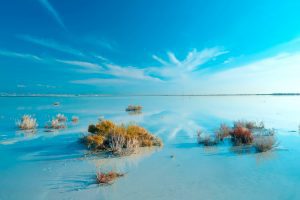
The Akrotiri Peninsula in the Limassol District marks the southernmost tip of Cyprus and also the southernmost part of Europe. This 123 square kilometer area contains the largest complex of natural wetlands on the island, centered around Akrotiri Salt Lake. The peninsula hosts over 300 recorded bird species, more than 800 indigenous plant species representing roughly 40 percent of all plants found on Cyprus, and critical habitats ranging from coastal sand dunes to Mediterranean juniper forests. Most of the peninsula lies within the British Sovereign Base Area of Akrotiri, territory retained by the United Kingdom when Cyprus gained independence in 1960. From Ancient Island to Protected Reserve The Akrotiri Peninsula was once a small island that merged with the rest of Cyprus through processes spanning thousands of years, creating what geologists call a double tombolo. The Kouris River carried sediment to create a land bridge on the western side at least 56,000 years ago, while the Garilis River later formed a second connection on the eastern side. This gradual process trapped seawater between the two land bridges, forming Akrotiri Salt Lake. The south cliffs of the peninsula, known as Aetokremmos, host the earliest known archaeological site in Cyprus and are believed to be the first part of the island inhabited by people during the pre-Neolithic period. The site contains 12,000-year-old…

Read more
Avakas Gorge Hiking Trail

Avakas Gorge Hiking Trail

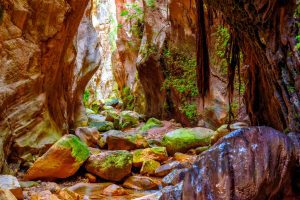
Avakas Gorge sits within Pegeia State Forest at the southwestern edge of the Akamas Peninsula, approximately 20 kilometers west of Paphos. The gorge follows the course of the Avgas River, which gave the canyon its name. Constant erosive activity on sloping limestone rocks created this dramatic formation. The rocks consist of loams, chalks, reef limestone, grain limestone, and bentonitic clays that erode at different rates. The gorge area holds protected status as a Natura 2000 site and was designated a Plant Micro-Reserve under the Cyprus Forest Law in 2013. Historical Background Geologists believe Avakas Gorge emerged from the sea when tectonic forces lifted the entire region. The Avgas River began its work of erosion millions of years ago. Water flowing over the limestone gradually carved deeper into the rock, creating steep vertical walls. The gorge became narrower and deeper with each passing century as the river continued its relentless cutting. The ancient Greek word "avakas" means without voice or mute, possibly referring to how the towering walls muffle sound within the canyon. Local shepherds and travelers have used this route for centuries. The gorge provided shelter, fresh water, and a passage through otherwise difficult terrain. People shared stories of mythical creatures inhabiting the shadowy recesses between the cliffs. The geological formations visible in the gorge walls reveal layers deposited over…

Read more