Explore Cyprus with Our Interactive Map

Explore our top stories and discover ideas worth your time.

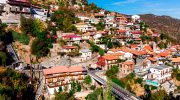
Kalopanayiotis Village, Cyprus

Kalopanayiotis Village, Cyprus

Kalopanayiotis is a mountain village located in the Nicosia district, approximately 70 kilometers from both Nicosia and Limassol. The settlement sits on the eastern bank of the Setrachos River at an altitude of about 700 meters in the Marathasa Valley, one of the most mountainous areas of Cyprus. The village is part of the Troodos region and serves as the first village visitors encounter when entering the Marathasa Valley from Nicosia. The village takes its name from Agios Panayiotis (Saint Panagiotis) and the prefix "kalo" (good or beautiful), though the exact etymology remains debated. Historical Background Archaeological and literary evidence indicate that the therapeutic properties of Kalopanayiotis's sulfurous waters were known in antiquity. The area formed part of the ancient Kingdom of Soli, whose kings used the site as a wellness resort combined with hunting expeditions in the surrounding mountains. Tradition holds that a temple dedicated to Asclepius, the Greek god of healing, stood where the Monastery of Agios Ioannis Lampadistis now stands. The ancient hydrotherapy center operated as an Asclepieion, where patients bathed in the sulfur-rich waters at the riverbed and then rested in the temple complex. This pattern of combining bathing with religious ritual was standard across the Greco-Roman world and continued through Roman and Byzantine periods. Kings and princes during Roman, Byzantine, and Frankish eras visited the…

Read more
Education System in Cyprus

Education System in Cyprus

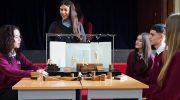
Cyprus offers a diverse and well-structured education system that reflects the island’s blend of European academic standards and strong local cultural identity. From early childhood through upper secondary education, students move through clearly defined stages, with options that include public Greek schools and private international institutions offering British, American, or International Baccalaureate pathways. What matters most for families is not enrollment statistics, but how schools teach at each level, how students gain admission, and what extracurricular opportunities shape a child’s development. Whether planning long-term settlement or a temporary relocation, understanding how education works in Cyprus helps parents choose a pathway that supports both academic success and personal growth. Early Years Education (Ages 3–6) Early childhood education in Cyprus focuses on social development, communication skills, and early cognitive growth. Public kindergartens operate primarily in Greek and emphasize structured play, storytelling, music, art, and foundational numeracy. The goal is to prepare children emotionally and socially for primary school rather than introduce formal academic pressure. Private schools such as The Grammar School and The English School offer English-based early years programs. These schools often follow British early years frameworks that encourage independence, creativity, and interactive learning. Children develop language confidence and classroom discipline in a supportive environment. Primary Education (Ages 6–12) Primary education lasts six years and builds essential academic foundations. Public primary…

Read more

Cyprus Olympic Museum Nicosia

Cyprus Olympic Museum Nicosia

The Cyprus Olympic Museum preserves the athletic heritage of the island. It exhibits 400 artifacts that document Cyprus's participation in the Olympic Games and international sporting competitions since 1980. The museum occupies all three floors of the Olympic House, the headquarters of the Cyprus Olympic Committee, located at 21 Amfipoleos Street in Nicosia. The Olympic House opened on September 16, 2006, in a ceremony attended by President Tassos Papadopoulos and International Olympic Committee President Jacques Rogge. The three-story building covers 7,500 square meters and cost 5.63 million Cyprus pounds to construct. The Cyprus Olympic Museum began operations in 2012, six years after the building's inauguration. The facility houses almost every sporting federation on the island, including sports not on the Olympic schedule. This centralized location makes the Olympic House a hub for athletic administration and a resource center for Cyprus's sporting community. The museum component transforms the building from merely an administrative center into an educational space that celebrates Cyprus's Olympic journey. Historical Background The Cyprus Olympic Committee was founded on June 10, 1974, and gained membership in the International Olympic Committee in 1979. Before this recognition, Cypriot athletes competed internationally under the Greek flag. Notable Cypriots who represented Greece include Ioannis Frangoudis, who won three shooting medals at Athens 1896, and Aristidis Konstantinidis, who claimed cycling gold at the…

Read more