Explore Cyprus with Our Interactive Map

Explore our top stories and discover ideas worth your time.

Mediterranean Cypress in Cyprus

Mediterranean Cypress in Cyprus

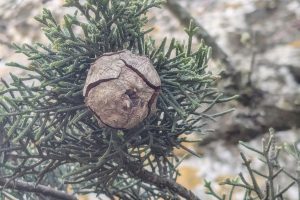
High on limestone slopes and along quiet village paths, tall, dark-green columns rise like living sentinels against the blue Mediterranean sky. Their narrow, flame-shaped crowns and fragrant wood have offered shade, shelter and symbolism to Cypriots for thousands of years. This is the Mediterranean cypress, Cupressus sempervirens – Cyprus’s own elegant guardian of roads, churches, monasteries and mountain passes. A Classic of the Cypress Family Known scientifically as Cupressus sempervirens, this evergreen conifer belongs to the genus Cupressus within the Cupressaceae family in the order Pinales. It is the only native cypress in Cyprus and shows remarkable variation: the strict upright var. sempervirens (pyramidal form) and the spreading var. horizontalis. Both forms are fully indigenous and part of the island’s natural heritage. Ancient Companion of Cyprus Forests Cypresses formed part of the dense primeval forests that covered Cyprus 10,000 years ago. Greek mythology tells how the youth Kyparissos, grieving for a deer he accidentally killed, was transformed by Apollo into this very tree – making the cypress a timeless symbol of mourning and eternity. In 2002 it was honoured as Tree of the Year, celebrating its beauty, durability and high ecological value. Distinctive Features That Define It The Mediterranean cypress reaches 15–30 metres in Cyprus, with a narrow conical or columnar crown. Its tiny, scale-like leaves are dark green, aromatic…

Read more
Protaras Beach

Protaras Beach

Protaras sits on the southeastern coast of Cyprus in the Famagusta District, approximately 70 kilometers from Larnaca International Airport. This coastal resort developed specifically for tourism offers 10 kilometers of coastline along the Mediterranean Sea. The beaches here feature fine golden sand and exceptionally clear waters that earned international recognition. Fig Tree Bay was named Europe's third best beach by TripAdvisor in 2011, though rankings shifted in following years. Unlike the party atmosphere of nearby Ayia Napa, Protaras built its reputation as a quieter alternative better suited to families and domestic Cypriot tourism. Historical Context In ancient times, the area now known as Protaras was home to the old city-state of Leukolla, which had a small, safe harbor where Demetrius Poliorketes sought refuge in 306 BC. For centuries afterward, the coast remained sparsely populated due to pirate threats that made settlement dangerous. The area earned the nickname "the land of windmills" from agricultural equipment that once dotted the landscape. The first windmills appeared in Paralimni in the early 20th century and were imported from Chicago, Toronto, and later Great Britain. Tourism development began in earnest during the late 20th century following the 1974 events that closed Famagusta to Greek Cypriot tourism. Protaras transformed from agricultural land into a major resort destination. The population of the broader Paralimni area grew from…

Read more
Tourism and Conservation Research Partnerships in Cyprus

Tourism and Conservation Research Partnerships in Cyprus

Research partnerships in Cyprus bring together tourism operators, conservation organizations, universities, and government agencies to address environmental challenges while supporting the island's economy. These collaborations develop science-based solutions for protecting natural and cultural resources that attract visitors. The partnerships combine local knowledge with international expertise, creating programs that benefit both ecosystems and communities. The Cyprus Institute operates as a regional center of excellence for the Eastern Mediterranean and the Middle East, focusing on climate change, environmental sciences, high-performance computing, and cultural heritage. These arrangements ensure that tourism development proceeds alongside meaningful protection efforts. How Partnerships Evolved Over Time The Cyprus Sustainable Tourism Initiative formed in 2006 following a two-year project by the Travel Foundation that created a partnership of UK tour operators, environmental Cypriot NGOs, the Cyprus Tourism Organization, travel agents, and village producers.This marked a shift from isolated conservation efforts to coordinated action. The University of Cyprus established its Oceanography center to conduct research on Eastern Mediterranean marine systems. The centre studies marine biodiversity, alien species biology and ecology, climate change impacts, environmental education, creation of diving routes for thematic tourism, and marine pollution.The Cyprus Institute's Science and Technology in Archaeology and Culture Research Center was founded in partnership with the Centre de recherche et de restauration des musées de France, applying advanced imaging and materials science to cultural…

Read more