Explore Cyprus with Our Interactive Map

Explore our top stories and discover ideas worth your time.

Cyprus Salt Lakes Nature Reserve

Cyprus Salt Lakes Nature Reserve

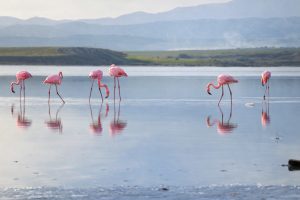
Cyprus is home to two major salt lake systems that serve as crucial stops for thousands of birds during their migration between Europe and Africa. The Larnaca Salt Lake complex lies near the island's southeastern coast, while the Akrotiri Salt Lake sits southwest of Limassol. Both wetlands hold international ecological significance and attract up to 20,000 flamingos each winter, along with dozens of other bird species. The Larnaca Salt Lake Complex The Larnaca Salt Lake consists of four interconnected salt lakes covering 1,761 hectares southwest of Larnaca town. The largest lake is called Aliki, followed by Orphani, Soros, and the smallest, Airport Lake. The Airport Lake was separated from Orphani when Larnaca International Airport's runway was built, cutting it off from the main complex. The lakes measure 2.2 square kilometers total and sit just off the road to Larnaca International Airport, making them one of the area's most recognizable landmarks. Water depth reaches a maximum of one meter during winter. The lakes fill with water during the rainy season from November through March, then dry completely by summer, leaving exposed salt flats. During winter, between 2,000 and 12,000 greater flamingos arrive at Larnaca Salt Lake to feed on abundant brine shrimp. The dark red algae in the lake forms the base of the food chain, as the small shrimp feed…

Read more
Cyprus Street Music Festivals

Cyprus Street Music Festivals

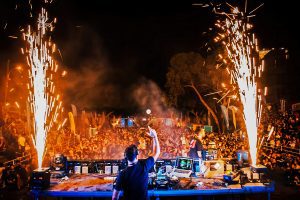
In Cyprus, street music festivals transform ordinary streets, squares, and promenades into shared cultural spaces where sound is free, public, and woven into daily movement. Unlike formal concerts held behind walls and tickets, these events unfold directly within the urban fabric, allowing residents and visitors to encounter music while walking, gathering, or simply passing through. The city does not just host the festival. It becomes the festival. What makes these festivals distinctive is not only the music, but the way they blur boundaries. Performers and audiences share the same ground. Music spills into cafés, markets, and waterfronts. The street, normally shaped by commerce and traffic, becomes a temporary stage for collective experience. Why the Street Matters in Cyprus In Cyprus, the street has always been more than a route from one place to another. Narrow Venetian alleys, seaside promenades, and village squares have long served as social meeting points. Street music festivals build on this tradition by temporarily suspending the usual rules of movement, commerce, and noise, allowing sound to reshape how public space is used. What distinguishes these festivals is accessibility. There are no tickets, no fixed seating, and no formal boundary between performer and audience. Music becomes something encountered rather than sought out. This openness allows people of different ages, backgrounds, and income levels to share the same…

Read more

Artisanal and Industrial Fishing

Artisanal and Industrial Fishing

Fishing in Cyprus exists in two distinct worlds. Small boats with weathered wood head out at dawn from coastal shelters, while larger vessels equipped with modern technology venture into deeper waters. The Cypriot fishing fleet comprised 858 vessels in 2019, representing a sector that contributes around 0.8% to GDP but holds significant importance in coastal communities.  This industry balances traditional methods passed down through generations with contemporary commercial operations. Over 300 types of fish have been found in the sea around Cyprus, yet the eastern Mediterranean's warm, nutrient-poor waters present unique challenges for fishers. The Three Faces of Cyprus Fishing Today There are three fishing segments in Cyprus: the trawler sector, both inland fishing (2 trawlers) and high sea trawlers (5 trawlers), purse seine fishing (3 purse seiners), and coastal fishing with 4 to 12 metres boats. Small-scale coastal fishing dominates the fleet. These artisanal fishers work close to shore, often using multiple gear types during a single trip to adapt to conditions and catch opportunities. The trawl fishery operates under strict regulations. Mesh size is 40 mm, the minimum depth of fishing is 50 m, and the fishing season lasts from November 7 to May 31. These restrictions aim to protect fish stocks and sensitive bottom habitats. Trawlers cannot operate in depths beyond 1,000 meters. There are also around…

Read more