Explore Cyprus with Our Interactive Map

Explore our top stories and discover ideas worth your time.

Cyprus Biodiversity Protection

Cyprus Biodiversity Protection

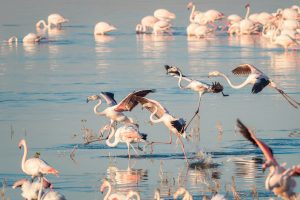
Cyprus holds exceptional biological diversity for an island of its size. The island hosts approximately 1,800 plant species, with 143 endemic taxa found only in Cyprus. Among animals, the island supports 385 bird species, 21 mammals, 24 reptiles, and 3 amphibians. Over 5,000 insect species have been documented. This diversity results from Cyprus's unique position at the crossroads of Europe, Asia, and Africa, combined with varied climate conditions and dramatic elevation changes from sea level to the 1,952-meter peak of Mount Olympus in the Troodos Mountains. The island's geological history as an uplifted oceanic plate rather than a continental fragment also contributed to the evolution of distinctive species. This combination of geographic isolation, habitat variety, and ancient history created conditions where unique life forms developed and thrived. Historical Background Cyprus's biodiversity reflects millions of years of natural evolution shaped by the island's complex geological formation. The Troodos Mountains rose from the ocean floor through tectonic forces, creating habitat diversity from coastal zones to alpine peaks. During the Late Pleistocene era, the island supported now-extinct megafauna including dwarf hippopotami and dwarf elephants, which died out after humans arrived around 10,000 BC. Human activity has shaped the Cypriot landscape for millennia. Neolithic settlers brought domesticated animals and began agriculture around 8,200 BC. Over thousands of years, traditional farming practices created a mosaic…

Read more

Marion and Tamassos

Marion and Tamassos

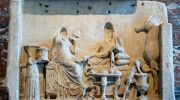
Funerary reliefs in ancient Cyprus were public status tools, not private grief markers, and Marion and Tamassos developed two distinct ways of making rank visible in stone. Marion favoured framed relief panels and inscriptions that anchored individuals within families, while Tamassos emphasised tomb architecture, guardians, and scale to project continuity and authority. This article compares how imagery, materials, and writing systems shaped remembrance in both kingdoms, and what those choices still reveal about power and belief on the island. Two Kingdoms, Two Worlds Although Marion and Tamassos existed on the same island, their landscapes shaped very different societies. Marion, located on the northwestern coast near modern Polis Chrysochous, was outward-facing. Its wealth depended on maritime trade and access to copper exported through nearby harbours. This openness brought strong Aegean influence, visible in imported pottery and artistic styles. Tamassos, by contrast, was inland. Situated close to the copper-rich foothills of the Troodos Mountains, it drew power from controlling resources rather than sea routes. Its rulers operated within Near Eastern political networks, and that reality shaped how authority and status were presented in death. These different foundations mattered. They influenced not just economics, but how memory itself was constructed in stone. Cemeteries Built to Be Seen The cemeteries of Marion were expansive and varied. Tombs stretched across eastern and western necropoleis, with…

Read more
Marki Alonia Bronze Settlement

Marki Alonia Bronze Settlement

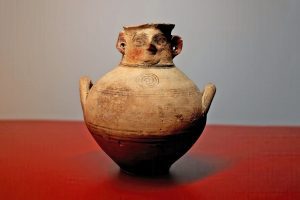
Nestled in central Cyprus, Marki-Alonia stands as one of the most revealing prehistoric settlements from the Early and Middle Bronze Age. Between 1990 and 2000, archaeologists David Frankel and Jennifer Webb from La Trobe University uncovered approximately 1,500 square meters of this ancient village. Their excavations revealed a remarkable window into how people lived, built their homes, and organized their communities from about 2400 BCE to around 1900 BCE. Unlike many archaeological sites where researchers can only piece together fragments of the past, Marki-Alonia offers an unusually complete picture of Bronze Age life in Cyprus. Historical Background The story of Marki-Alonia begins with a small group of settlers who arrived around 2400 BCE. The founding population numbered just 40 to 50 people. Over the course of 500 years, the settlement experienced steady growth. By the Middle Cypriot I period, roughly 400 years after its founding, the population had swelled to about 400 inhabitants. This growth reflects the settlement's success in establishing a stable agricultural economy and developing social systems that could support larger groups of people. What makes Marki-Alonia particularly important to archaeologists is its unbroken occupation sequence. Many ancient sites show signs of sudden abandonment or catastrophic destruction, but Marki-Alonia evolved gradually. Buildings were renovated, rooms were reorganized, and structures were rebuilt or demolished as needs changed. This continuous…

Read more