Explore Cyprus with Our Interactive Map

Explore our top stories and discover ideas worth your time.

Pissouromoutti Nature Trail

Pissouromoutti Nature Trail

The Pissouromoutti Nature Trail sits within the Akamas Peninsula near the Smigies picnic site. This route follows a circular path around a prominent limestone hill. Every step reveals a wide view of the Chrysochou Bay and the north coast. The air carries the scent of wild thyme and carob trees throughout the year. This trek serves as a physical challenge for those who seek high vantage points. It offers a direct look at the rugged beauty of the Paphos district. Each segment provides a unique perspective of the coastal cliffs and the forest. The trail remains a favorite for local nature lovers. Trail Overview Location: Akamas Peninsula, Paphos District, Cyprus Distance: 1.9 miles (3 km) Route Type: Loop Difficulty: Moderate Elevation Gain: 525 feet (160 meters) Duration: 1.5 hours Best Time to Visit: January to May Terrain: Rocky paths, dirt tracks, and limestone outcrops The Start at Smigies Picnic Ground The trek begins at the Smigies picnic area where the forest feels dense and cool. A clear sign marks the trailhead near the entrance of the park. The path stays level for the first few hundred meters of the journey. Tall juniper trees line the track and provide a bit of shade. The ground consists of hard earth and small stones that crunch under boots. Local birds call from the…

Read more
Byzantine Cyprus: Eastern Mediterranean Defense

Byzantine Cyprus: Eastern Mediterranean Defense

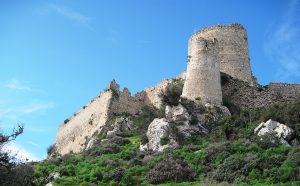
Cyprus was never a distant outpost of the Byzantine Empire. From late antiquity through the Middle Ages, it functioned as a frontline maritime shield, protecting the sea lanes that connected Anatolia, the Levant, and the Aegean. Byzantine naval defense on Cyprus was not limited to fleets and battles. It was a layered system combining geography, coastal fortifications, mountain surveillance, communication networks, and naval presence. Together, these elements allowed the empire to detect threats early, control movement at sea, and preserve stability in one of the Mediterranean’s most contested regions. An Island Positioned to Watch the Sea Cyprus sits at a natural crossroads of the Eastern Mediterranean. From its shores, routes radiate toward southern Anatolia, Syria and Palestine, Egypt, and the Aegean. This position made the island unavoidable for any power seeking maritime dominance in the region. For the Byzantine Empire, Cyprus acted as a forward sentinel. Control of the island meant early visibility over naval traffic moving between the Islamic-controlled Levant and the Byzantine heartlands of Asia Minor. Losing Cyprus would have meant losing advance warning, leaving the southern coast of Anatolia and the Aegean islands exposed to sudden raids. This strategic reality shaped every aspect of Byzantine policy on the island. From Roman Province to Maritime Bastion In the early Roman and late antique periods, Cyprus was relatively peaceful.…

Read more
Cyprus Artisanal Sweets

Cyprus Artisanal Sweets

Cyprus has developed a distinctive collection of traditional sweets that reflect centuries of cultural exchange between Greece, the Middle East, and the Mediterranean. These artisanal treats are not luxury items but essential parts of daily life, religious celebrations, and village festivals. From honey-soaked dough balls to sesame confections and refreshing milk puddings, Cypriot sweets combine simple ingredients with time-tested techniques to create memorable flavors. Each sweet tells a story of the island's agricultural abundance, its position as a crossroads of civilizations, and its commitment to preserving culinary heritage. Historical Context The tradition of sweet-making in Cyprus dates back to ancient Greece and Byzantium. Historical texts reveal that many current recipes have roots in Byzantine-era treats called plakoundes, pemmata, or melipikta. These early sweets were made with dough and natural sweeteners like honey, carob syrup, or grape must. The word halva derives from the Arabic term for sweetness, reflecting the Ottoman influence that shaped Cypriot cuisine for centuries. Loukoumades trace their history to 776 BC, when ancient Greeks offered honey-soaked dough balls as prizes to Olympic athletes. The tradition survived through Byzantine times, when monasteries made these treats during Lent because they contained only flour, yeast, water, and honey. As different cultures settled in Cyprus, they brought their own variations and techniques, creating the diverse sweet traditions that exist today. The…

Read more