Explore Cyprus with Our Interactive Map

Explore our top stories and discover ideas worth your time.

Modern Naval Heritage & Maritime Identity

Modern Naval Heritage & Maritime Identity

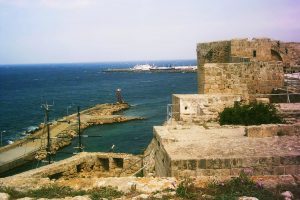
Cyprus has never treated the sea as a boundary. For centuries, its coastline functioned as a working edge where trade, defense, administration, and daily life met. In the modern period, this relationship was shaped most clearly by two naval powers: the Ottoman Empire and the British Empire. Their presence did not simply leave behind forts and harbors. It reshaped how the island was governed, how its ports functioned, and how Cypriots understood their place within the wider Mediterranean world. Globalgrasshopper-com This article explores how Ottoman and British naval priorities transformed Cyprus from a regional outpost into a strategic maritime asset, and why that legacy still defines the island’s identity today. An Island Positioned to Be Watched Cyprus sits at a crossroads of the eastern Mediterranean, close enough to Anatolia, the Levant, and Egypt to matter to every power operating in the region. This geography made neutrality impossible. Control of Cyprus meant visibility over key sea lanes, access to sheltered anchorages, and influence across multiple trading and military routes. Rather than isolating the island, the sea connected it outward. Cyprus became valuable not for its interior alone, but for how its coastline could support movement, surveillance, and supply. This strategic reality explains why naval priorities repeatedly shaped the island’s administration. What “Modern Naval Heritage” Really Means When discussing naval heritage in…

Read more
Bottletrees In Cyprus

Bottletrees In Cyprus

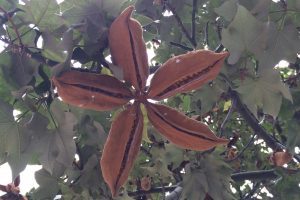
Imagine strolling through a sunlit park in Limassol or Nicosia when suddenly a tree bursts into vivid scarlet flowers, turning the branches into a living flame against the blue sky. These are the Brachychiton trees — Australian visitors that add a splash of dramatic color to our island's gardens and streets, whispering tales of distant lands. Konstantin-Solovev Bottle-Shaped Beauties Brachychiton trees are part of the vast Malvaceae family, the same group that gives us cotton, hibiscus, and cacao – plants known for their showy flowers and useful fibers. In Cyprus, they are tall, sturdy trees often grown for their striking looks and shade, fitting right into our warm, dry climate like old friends from afar. From Australian Bush to Cypriot Shores These trees first took root in the wild bushlands of Australia millions of years ago, evolving alongside kangaroos and koalas in a continent shaped by ancient isolation. They arrived in Cyprus during the British colonial era around the early 20th century, planted as hardy ornamentals to beautify towns and provide quick-growing shade, much like the eucalypts that came before them. Today, they stand as quiet reminders of how human wanderings have blended the world's green treasures. Konstantin-Solovev Swollen Trunks and Scarlet Spectacles What makes Brachychiton stand out is their bottle-shaped trunks, swollen at the base like natural water tanks…

Read more
Cyprus Carob Black Gold

Cyprus Carob Black Gold

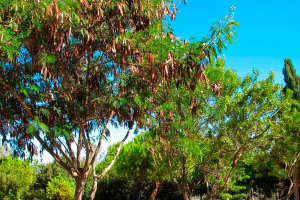
For centuries, the carob tree quietly underpinned life in Cyprus. Long before sugar, tourism, or modern industry reshaped the island, carob sustained rural families economically, nutritionally, and socially. Known locally as “black gold,” it was never glamorous, but it was dependable. In a land shaped by drought, invasion, and uncertainty, the carob tree endured, feeding people, funding villages, and anchoring tradition in the Cypriot landscape. A Tree Built for Hard Conditions The carob tree, Ceratonia siliqua, is perfectly adapted to Cyprus’s dry Mediterranean climate. Its deep roots draw moisture from far below the surface, allowing it to survive long summers without irrigation. Thick, leathery leaves reduce water loss, and slow growth produces a tree that can live for centuries. This resilience explains why carobs thrived where other crops failed. On rocky slopes and marginal land unsuitable for cereals, carob trees continued to produce reliable harvests. For rural communities, they were less a crop and more a form of insurance, offering stability in an unpredictable environment. Why It Was Called “Black Gold” The name "black gold" was not a poetic exaggeration. Ripe carob pods darken to a deep brown, almost black, and for generations, they ranked among Cyprus's most valuable exports. Even in years when wheat failed or rainfall was scarce, carob trees continued to bear fruit. For many families, a…

Read more