Explore Cyprus with Our Interactive Map

Explore our top stories and discover ideas worth your time.

The Arabis Species of Cyprus

The Arabis Species of Cyprus

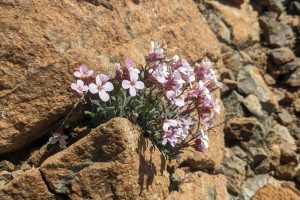
Tucked away in the rocky crevices and mountainous slopes of Cyprus, the Arabis species offer delicate bursts of color amid the island's rugged terrain. These small, resilient rockcresses, with their clusters of white, pink, or purple flowers, are a testament to the unique flora that thrives in this Mediterranean hotspot. Discovering them in the wild feels like finding hidden gems that whisper stories of Cyprus's ancient landscapes. www.flora-of-cyprus.eu Why is it interesting? Arabis, commonly known as rockcresses, are a genus of flowering plants in the mustard family (Brassicaceae). In Cyprus, there are four notable species, three of which are endemic to the island: Arabis cypria, Arabis purpurea, and Arabis kennedyae, along with the more widespread Arabis verna. These hardy perennials or annuals are adapted to dry, rocky environments, producing charming flowers that attract pollinators in spring. Background and Origins The Arabis species in Cyprus have evolved over millennia in the island's isolated ecosystems, particularly in the Troodos Mountains and northern ranges. Shaped by the Mediterranean climate with hot summers and mild winters, they trace their roots to ancient plant lineages that adapted to limestone cliffs and serpentine soils. Endemic varieties like Arabis purpurea and Arabis kennedyae highlight Cyprus's role as a biodiversity refuge, surviving through geological changes that separated the island from surrounding lands. www.inaturalist.org Description Arabis plants are typically…

Read more

Archaeological Sites and Excavations in Cyprus

Archaeological Sites and Excavations in Cyprus

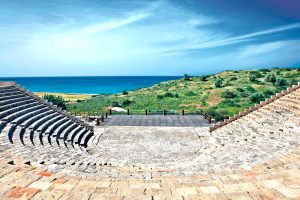
Beneath Cyprus's sunny beaches and pine-covered mountains lie layers of ancient civilizations waiting to be discovered. From 9,000-year-old Neolithic villages to Roman theaters still hosting performances, the island's archaeological sites tell the story of humanity's journey from Stone Age farmers to cosmopolitan Mediterranean traders - and remarkably, you can walk through most of them today. culture.gouv_fr A Living Museum Beneath Your Feet Cyprus is essentially one enormous archaeological site. Everywhere you turn - in downtown Larnaca, on clifftops overlooking the sea, hidden in mountain valleys - you'll find excavated ruins that reveal thousands of years of continuous human habitation. These aren't just piles of old stones; they're remarkably well-preserved windows into how people lived, worshipped, fought, and thrived across millennia. What makes Cyprus's archaeological landscape special is its completeness. You can trace the entire arc of Mediterranean civilization here: from Neolithic round-house villages to Bronze Age fortresses, from Phoenician temples to Greek theaters, from Roman bath complexes to early Christian basilicas. Each era built upon the last, creating stratified sites where one civilization's ruins literally rest atop another's foundations. From Stone Age Settlements to Classical Cities Cyprus's archaeological story begins over 11,000 years ago when the first humans arrived and found an island inhabited by pygmy hippos and dwarf elephants. By the 7th millennium BC, Neolithic farmers had established permanent…

Read more
Ancient Wine Pressing Techniques Cyprus Wineries

Ancient Wine Pressing Techniques Cyprus Wineries

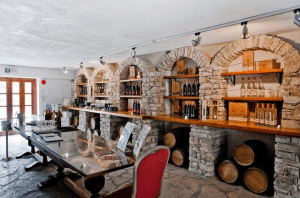
Cyprus holds one of the longest unbroken wine traditions in the world, with archaeological evidence placing winemaking on the island at approximately 5,500 years ago. Pottery fragments discovered at Erimi village and analyzed in 2005 by Italian archaeologist Maria-Rosaria Belgiorno showed traces of tartaric acid, proving that these Chalcolithic period vessels dated between 3500 BC and 3000 BC were used for wine storage. What makes Cyprus unique is not just the antiquity of its wine culture, but the remarkable continuity of production methods that survived for millennia. Historical Background The earliest winemaking in Cyprus relied on simple but effective techniques. Grapes were placed in stone or clay basins where workers trod them with bare feet to extract the juice. A ceramic jug from Pyrgos dating to 2000 BC depicts a woman with her feet in a pressing vessel with juice flowing into a basin below, representing one of the earliest known visual records of grape treading anywhere in the Mediterranean. Medieval wine presses evolved into more sophisticated equipment, with the Omodos Wine Press representing a stunning example that is between 700 and 800 years old. This press features an enormous double wooden beam spanning the room, with a giant wooden screw attached to one end and weighted by a large stone that could be raised and lowered by pulley. Workers…

Read more