Explore Cyprus with Our Interactive Map

Explore our top stories and discover ideas worth your time.

Sacred Groves of Ancient Cyprus

Sacred Groves of Ancient Cyprus

In ancient Mediterranean belief systems, the natural world was not viewed as separate from the divine but as one of its primary expressions. Mountains, springs, caves, and especially groves of trees were often regarded as places where divine presence could be felt most directly. In Cyprus, this understanding took a distinctive form through the preservation and veneration of sacred groves. These spaces were not heavily built environments but living landscapes set apart from ordinary use. They represented an early form of ecological sacredness, where nature itself functioned as a sanctuary and the boundary between human and divine realms was marked by respect rather than construction. gidnakipre-ru Sacred groves on the island reflect a worldview in which divinity resided in the rhythms of growth, fertility, and renewal. Trees symbolized endurance and life cycles, making wooded areas especially suitable for ritual activity connected to fertility, seasonal change, and divine blessing. By leaving these areas relatively untouched, communities expressed reverence not only for the gods but also for the natural environment believed to host them. This practice linked spiritual devotion with environmental awareness in a way that modern perspectives often describe as sacred ecology. The Grove as a Form of Sanctuary Unlike monumental temples that defined sacred space through architecture, groves created sacredness through preservation. A boundary—sometimes marked by stones, walls, or natural…

Read more
Cypriot Musicians Shape Sound Between Worlds

Cypriot Musicians Shape Sound Between Worlds

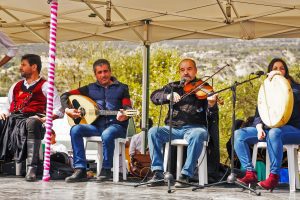
Cyprus has always lived between places, and its contemporary music makes that position audible. Today’s Cypriot musicians collaborate across Europe and the Middle East in ways that feel natural rather than strategic, producing music that travels easily while remaining grounded in local identity. These projects are not about imitation or trend-chasing. They are about translation, turning geography, history, and lived experience into sound. To understand modern Cypriot music is to hear an island negotiating who it is, who it speaks to, and how it wants to be understood. A Geography You Can Hear Cyprus does not need to “reach outward” to collaborate. It is already surrounded by cultural conversation. For centuries, the island has absorbed and adapted influences from Byzantine liturgical traditions, Levantine musical systems, and later European forms introduced through political and cultural exchange. This layered inheritance means that modern collaboration does not feel like a rupture. It feels like continuity. When contemporary Cypriot musicians work with European producers or Middle Eastern artists, the blend often sounds intuitive. The island’s music has long been shaped by multiple tonal systems, rhythmic sensibilities, and storytelling traditions. Modern technology and global networks simply make those exchanges more visible. Collaboration as Cultural Anchoring, Not Fusion for Its Own Sake At first glance, this trend might look like stylistic fusion. In reality, something more…

Read more

Troodos Monasteries and Chapels

Troodos Monasteries and Chapels

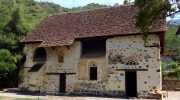
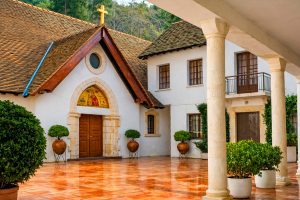
The Painted Churches in the Troodos Region represent a collection of ten Byzantine and post-Byzantine monuments dating from the 11th to the 16th centuries. These structures range from small rural chapels to monastery complexes, all sharing two defining characteristics. These are richly decorated interior frescoes and distinctive steep-pitched wooden roofs. thecypriotinme-com Nine of the churches are located in the Nicosia District, while one, Timios Stavros in Pelendri, sits in the Limassol District. Together they provide an exceptional record of Byzantine and post-Byzantine painting in Cyprus, documenting artistic developments across five centuries of religious expression. Historical Background Cyprus became fully Byzantine in 965 AD when Emperor Nikephoros II Phokas sent General Niketas Chalkoutzes to reconquer the island. Before this, Cyprus had existed for nearly 300 years as a condominium jointly administered by the Byzantine Empire and the Arab Caliphate following agreements made in 688 AD under Emperor Justinian II and Caliph Abd al-Malik. This unusual arrangement, though frequently violated by both sides, kept the island relatively demilitarized and required Cypriots to pay taxes to both powers equally. After the Byzantine reconquest in 965, Cyprus became a theme (military province) and experienced a period of modest prosperity and peace. The island's Muslims either left or converted to Christianity. During the two centuries that followed, taxes remained high, but trade in silk and…

Read more