Explore Cyprus with Our Interactive Map

Explore our top stories and discover ideas worth your time.

Ancient Ledra Early History of Nicosia

Ancient Ledra Early History of Nicosia

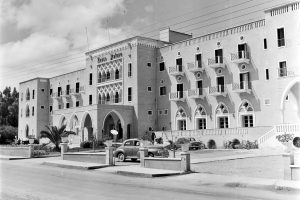
Ancient Ledra was a city-kingdom in the center of Cyprus where modern Nicosia stands today. It was established around 1050 BC and it became one of ten Cypriot kingdoms by the 7th century BC. Unlike coastal kingdoms that thrived on maritime trade, Ledra developed as an agricultural settlement in the fertile Mesaoria Plain. By Hellenistic times, it had dwindled to a small village before transforming into the capital city that continues to this day. oxfordre-com Archaeological remains from ancient Ledra have been found in several areas around modern Nicosia. The Bronze Age settlement was located on Leontari hill, approximately 6.5 kilometers southeast of the historical city center. This platform measures about 200 by 300 meters and includes a small cemetery. Historical Background The kingdom of Ledra appears for the first time in historical records on a clay prism of the Assyrian king Esarhaddon, dated to 672 BC. The inscription refers to the settlement as "Lidir" and records its ruler as "Unasagusu," generally identified as Onasagoras, the only king of Ledra whose name we know. He is listed ninth among ten Cypriot kingdoms that paid tribute to Esarhaddon. shutterstock-com The Assyrian text identifies Ledra as a "mat," meaning country or land, rather than a "kur," which denotes a city. This suggests that Ledra lacked a significant urban center and functioned more…

Read more
Education and Academic Institutions

Education and Academic Institutions

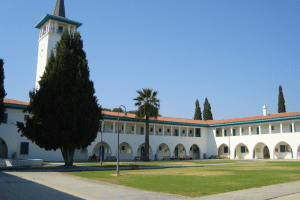
Education in Cyprus is overseen by the Ministry of Education, Sports and Youth. The education system is divided into pre-primary education for ages 3 to 6, primary education for ages 6 to 12, secondary education for ages 12 to 18, and higher education for ages 18 and above. Full-time education is compulsory for all children aged between 5 and 15. Shutterstock-com State-provided schooling including higher education is paid for by taxes, making public education free at all levels for eligible students. The Cypriot education system follows the Bologna framework, meaning degrees from Cyprus are recognized across Europe and globally, offering students internationally accepted qualifications. The Three Levels of Schooling Pre-primary education begins at age 3 and continues until age 6, though it is not mandatory. Public kindergartens operate under the Ministry of Education and follow a structured curriculum preparing children for primary school. Private kindergartens also exist, often offering bilingual or English-language programs. Shutterstock-com Primary education lasts six years from ages 6 to 12. The curriculum includes Greek language, mathematics, natural sciences, history, geography, religious education, physical education, music, and art. English language instruction typically begins in the third grade. Primary schools operate as single-shift schools, with classes from morning through early afternoon. Secondary education divides into two cycles. Lower secondary education, called Gymnasio, covers three years from ages 12…

Read more

Cyprus Shepherd Calls

Cyprus Shepherd Calls

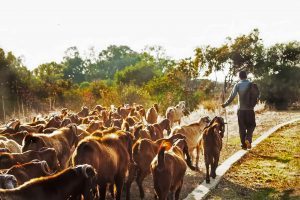
Shepherd Calls and Vocal Signals are non-musical vocal expressions integral to pastoral life in Cyprus, forming a unique soundscape shaped by the island's landscape and herding traditions. These calls, including whistles, shouts, and melodic cries, serve practical purposes like directing flocks or communicating across distances, while carrying cultural depth. This practice preserves ancient methods of interaction with nature, highlighting how sound connects livelihood, environment, and community in Cypriot rural heritage. polignosi-com An Acoustic Tradition of the Countryside Shepherd calls and vocal signals represent a functional form of communication in Cypriot pastoralism, where sounds replace words to manage livestock and navigate terrain. These expressions, devoid of formal melody, rely on pitch, volume, and timbre to convey commands or alerts. In the island's varied landscapes - from coastal plains to Troodos mountains - they create an auditory layer that blends with natural echoes, forming a soundscape unique to herding life. This tradition underscores how Cypriot shepherds adapted vocal techniques to their environment, turning everyday tasks into a cultural practice that links humans, animals, and land. digital-sandiego-edu The Historical Foundations of Vocal Herding Shepherd calls in Cyprus trace origins to prehistoric times, when early inhabitants domesticated animals around 8500 BC during the Neolithic period. Archaeological evidence from sites like Choirokoitia shows tools for herding, suggesting vocal signals accompanied flock management. By the Bronze…

Read more