Explore Cyprus with Our Interactive Map

Explore our top stories and discover ideas worth your time.

Akamas Peninsula National Park

Akamas Peninsula National Park

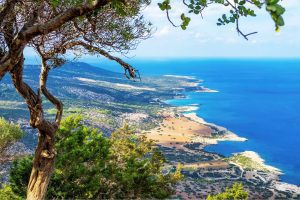
Akamas Peninsula National Park occupies the northwestern tip of Cyprus, beginning just north of Paphos and extending to Cape Arnaoutis. The landscape varies from golden beaches and dramatic coastal cliffs to arid plains covered in Mediterranean scrub and mountain forests of pine and juniper. shutterstock-com Deep gorges carved by seasonal rivers cut through the limestone terrain. No paved roads cross the interior, and most of the peninsula remains uninhabited. The area takes its name from Akamas, a son of the mythological hero Theseus, who supposedly founded the ancient city of Soli after fighting in the Trojan War. Historical Background Until the year 2000, the British military used Akamas for training exercises and as a firing range. Under the 1960 Treaty of Establishment, the British Army was allowed to use the peninsula for up to 70 days each year. The military presence actually helped preserve the area by preventing development. When the British withdrew, conservation groups and the Cyprus government began the long process of establishing protected status. visitcyprus-com In preparation for Cyprus joining the European Union, most of Akamas received designation under the Natura 2000 network between 2003 and 2009. Two turtle nesting beaches became Sites of Community Importance. The Polis-Gialia area received status as a Special Area of Conservation. The entire peninsula was designated a Special Protection Area for…

Read more
Akrotiri Peninsula

Akrotiri Peninsula

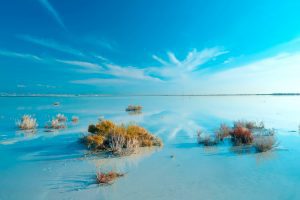
The Akrotiri Peninsula in the Limassol District marks the southernmost tip of Cyprus and also the southernmost part of Europe. This 123 square kilometer area contains the largest complex of natural wetlands on the island, centered around Akrotiri Salt Lake. allaboutlimassol.com The peninsula hosts over 300 recorded bird species, more than 800 indigenous plant species representing roughly 40 percent of all plants found on Cyprus, and critical habitats ranging from coastal sand dunes to Mediterranean juniper forests. Most of the peninsula lies within the British Sovereign Base Area of Akrotiri, territory retained by the United Kingdom when Cyprus gained independence in 1960. From Ancient Island to Protected Reserve The Akrotiri Peninsula was once a small island that merged with the rest of Cyprus through processes spanning thousands of years, creating what geologists call a double tombolo. The Kouris River carried sediment to create a land bridge on the western side at least 56,000 years ago, while the Garilis River later formed a second connection on the eastern side. This gradual process trapped seawater between the two land bridges, forming Akrotiri Salt Lake. The south cliffs of the peninsula, known as Aetokremmos, host the earliest known archaeological site in Cyprus and are believed to be the first part of the island inhabited by people during the pre-Neolithic period. The site contains…

Read more

Haunted Mills and Ruins Across Cyprus

Haunted Mills and Ruins Across Cyprus

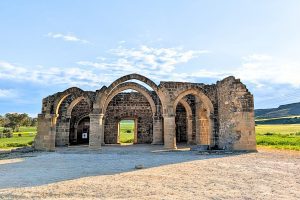
Cyprus holds a collection of abandoned places that attract visitors interested in supernatural tales and historical mysteries. These locations range from ghost towns frozen in time to mountain hotels shrouded in dark legends and villages deserted by their residents. cyprusbutterfly-com-cy The island's troubled 20th century history, particularly the 1974 division, created numerous abandoned settlements that locals and visitors now associate with paranormal activity. These sites blend documented historical events with folklore, creating spaces where reality and supernatural stories overlap. Historical Context The modern haunted landscape of Cyprus emerged primarily from two sources. The 1974 Turkish invasion created instant ghost towns when residents fled their homes. dlubal-com Varosha in Famagusta represents the most dramatic example, a once glamorous resort sealed off by military forces and left untouched for decades. The invasion displaced hundreds of thousands of people, leaving behind dozens of villages that remain empty today. Earlier events also contributed to abandoned sites. static-where-e-com The intercommunal violence of the 1960s forced Turkish and Greek Cypriots to abandon mixed villages. Mining closures in the 1930s and natural disasters like earthquakes created additional deserted settlements. Each abandonment brought its own set of stories about what happened and what might remain. Features of Cyprus most notorious haunted locations Varosha stands as Cyprus most famous ghost town. Before 1974, this Famagusta district attracted celebrities like…

Read more