Explore Cyprus with Our Interactive Map

Explore our top stories and discover ideas worth your time.

Cyprus Stone Courtyards Architecture

Cyprus Stone Courtyards Architecture

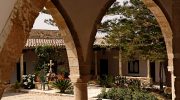
Traditional Cyprus courtyards with stone arches represent the architectural heart of village homes where families conducted daily life away from public view. The avli, as courtyards are called in Greek, functioned as outdoor living rooms enclosed by thick limestone walls exceeding half a meter in depth. Between rooms inside the house, graceful stone archways created a sense of flow and strength while thick wooden beams supported roofs covered with clay tiles. cyprushighlights-com The architecture prioritized both community connection through shared walls with adjacent family compounds and climate adaptation through thermal mass that kept interiors cool in summer and warm in winter. The iliakos, a covered porch created by extending the roof 2 to 3 meters forward on wooden beams or stone arches, served as the main social space where families received guests and conducted handicrafts. High stone walls and tightly locked gates hid houses from passing strangers, creating privacy that defined traditional Cyprus domestic architecture where facades and gardens remained invisible to uninvited observers. The Avli as the Heart of Home The central courtyard served multiple essential functions that made it indispensable to Cyprus village life. Families cooked, worked, ate together, and processed agricultural products in these open-air spaces that provided natural light and ventilation unavailable in small interior rooms. Women dried fruits and vegetables on flat rooftops accessible from…

Read more
Ledra Palace Hotel Nicosia

Ledra Palace Hotel Nicosia

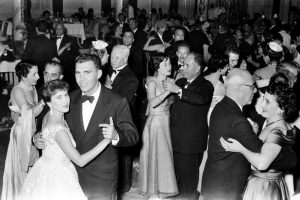
The Ledra Palace Hotel stands in central Nicosia, caught between past glory and present division. Once the capital's most glamorous hotel, it now sits in the UN buffer zone that splits Cyprus in two. The Ledra Palace Hotel occupies a unique position in Cyprus's modern history. Built as a luxury establishment in the late 1940s, it served as the island's social center for Greek, Turkish, British, and Armenian elites. Today the building remains frozen in the Green Line buffer zone, its facade scarred by bullets and mortar craters from the 1974 conflict. The hotel has transformed from a place of celebration to a symbol of division, yet it continues to serve as neutral ground where both communities meet. dom-com-cy Historical Background Three businessmen conceived the Ledra Palace in 1947 when tourism on Cyprus was just beginning. George Skyrianides, already owner of the luxurious Forest Park Hotel in Platres, partnered with Nicosia's Vice Mayor George Poulias and Egyptian businessman Dimitrios Zerbinis. Together they formed Cyprus Hotels Limited with the goal of creating the island's finest accommodation. tuckdbpostcards-org The hotel was designed by German Jewish architect Benjamin Günsberg, who also created the Curium Palace in Limassol. Construction took two years and costs far exceeded the original budget, reaching approximately £240,000 Cyprus pounds. The hotel opened on October 8, 1949, with British Governor…

Read more

Pelendri Cyprus Historic Village Vineyards Churches

Pelendri Cyprus Historic Village Vineyards Churches

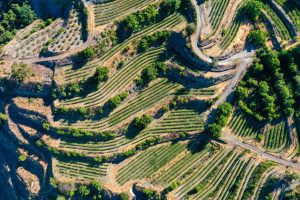
Pelendri is a mountain village in the Limassol district known for its UNESCO World Heritage church, traditional architecture, and established wine production. It’s located in the Pitsilia region at 880 meters altitude and 40 kilometers from Limassol. The village combines medieval history with contemporary viticulture in a setting of steep valleys and high peaks. mytroodos.com Despite being built on relatively barren slopes, the area benefits from approximately 750 millimeters of annual rainfall, which supports diverse cultivation and natural vegetation. Several tributaries cross through the area, providing water resources that sustain both agriculture and forest growth. The administrative boundaries of Pelendri include portions of the Troodos state forests and monastery forests. Natural vegetation includes pines, wild olives, plane trees, and various indigenous shrubs, with uncultivated areas maintaining rich plant diversity. Historical Background Historical records confirm Pelendri as an established settlement during the medieval period. Louis de Mas Latrie, documenting Cyprus during Lusignan rule, refers to the village as Pelendres or Pelondres. In 1353 it was a fief of John de Lusignan, Prince of Antioch and a member of the royal family of Cyprus. Medieval chronicler Georgios Boustronios mentioned the village twice in his writings. He recorded that around 1461, a wealthy merchant named Satin lived in Pelendri, indicating commercial activity in the settlement. Boustronios also documented two farmsteads in the Pelendri…

Read more