Explore Cyprus with Our Interactive Map

Explore our top stories and discover ideas worth your time.

Pine Forest Villages Cyprus

Pine Forest Villages Cyprus

Pine forest villages in the Troodos Mountains showcase traditional Cypriot architecture where stone houses with wooden balconies cling to mountainsides at elevations between 600 and 1,200 meters. These settlements developed amid orchards, vineyards, and dense pine forests that provide cool escape from coastal summer heat. pixabay-com Kakopetria, Platres, and Pedoulas represent the most prominent examples, with stone-built structures featuring sloping terracotta tile roofs, wooden shutters, and cobbled streets preserved as protected cultural heritage. The architecture responds to mountain conditions including snow, rainfall, and steep terrain uncommon in lowland Cyprus. Kakopetria is cradled between the Kargotis and Garillis rivers, which converge to form the Klarios River, creating lush green environments where water mills once ground grain for village populations. These mountain retreats served dual functions as permanent agricultural communities and summer resorts where coastal residents escaped heat during the Ottoman and British colonial periods. Kakopetria's Protected Old Quarter The village is celebrated for its meticulously preserved old quarter, Kakopetria village, which stands as a protected national monument of Cypriot heritage architecture. Its overhanging wooden balconies, narrow stone-paved streets, and restored houses create a timeless atmosphere that feels like stepping into a bygone era. Located at 667 meters elevation in the Solea Valley, Kakopetria sits southwest of Nicosia on the northern Troodos slopes. pixabay-com The name translates to "bad rock," derived from…

Read more

Fitness Culture in Cyprus

Fitness Culture in Cyprus

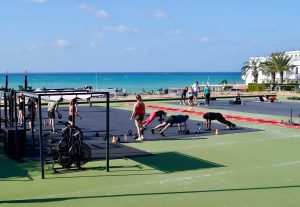
Cyprus combines Mediterranean climate with diverse terrain to create ideal conditions for outdoor fitness and recreation. The island's 340 days of annual sunshine allow year round sports participation that northern European countries cannot match. From golden beaches to mountain trails at 2,000 meters elevation, the natural environment encourages active living beyond indoor gym walls. flickr-com Cypriots embrace outdoor activities including hiking, swimming, cycling, and team sports that integrate fitness into daily routines. The culture values physical activity not just for health but as social engagement, with sports clubs and outdoor groups creating community bonds. This natural integration of movement into life makes Cyprus attractive for families and professionals seeking healthier lifestyles than sedentary urban environments allow. Traditional gyms serve serious fitness goals Modern gym facilities operate across all major cities and tourist areas, offering equipment and classes that meet international standards. New Body Gym ranks as one of the leading health clubs, providing comprehensive workout environments with certified personal trainers. Oxygen Gym has operated since 1996 as a pioneer in the fitness industry, offering weight classes and varied services. marriott-com Tower Fitness in Peyia serves the Paphos area with high-quality facilities and professional instruction. Sanctum Spa and Fitness at Limassol Marina combines luxury amenities with serious training options. UN1T offers comprehensive strength and conditioning programs designed to deliver measurable results…

Read more
Machairas Monastery

Machairas Monastery

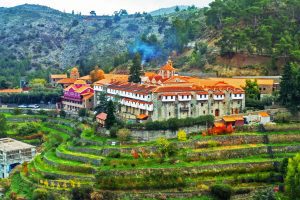
Holy Monastery of Panagia Machaira is a historic monastery dedicated to the Virgin Mary located about 40 km from the capital of Cyprus, Nicosia. The monastery is built near Mount Kionia, at an elevation of 870 meters, and surrounded by dense pine forests. The monastery towers like a fortress on a steep hillside above the Pediaios River, Cyprus's longest waterway. shutterstock-com The Sacred, Royal and Stavropegic Monastery of the Virgin of Machairas ranks as one of the island's three most important monasteries alongside Kykkos and Agios Neophytos, holding special privileges that grant independence from the Archbishop of Cyprus. The Discovery of a Sacred Icon According to tradition, the icon is one of the seventy icons painted by the Apostle Luke. The icon had been placed above the Holy Soros, or reliquary, of the Virgin Mary in the Church of Blachernae in Constantinople. During the eighth century iconoclasm period when religious images faced destruction, a devout monk rescued the icon and brought it to Cyprus, hiding it in a cave where it remained forgotten for centuries. tripadvisor-com Around 1145, the hermits Ignatios and Neophytos, blessed with divine grace, discovered the cave which was obscured by bushes. To reach the cave where the icon was, a knife was given to them by a divine hand with which they used to cut the…

Read more