Explore Cyprus with Our Interactive Map

Explore our top stories and discover ideas worth your time.

Street Food in Cyprus

Street Food in Cyprus

Cyprus street food traces its roots to ancient Mediterranean trading ports where vendors sold quick, affordable meals to sailors, merchants, and laborers. Today the tradition continues across busy city streets, village festivals, church forecourts, and coastal promenades. Unlike the homogenized fast food chains that dominate many countries, Cypriot street food remains deeply local, with recipes passed through generations and preparations visible to customers. checkincyprus-com The ingredients reflect the island's agricultural abundance, from fresh pork and lamb to local herbs, olive oil, and seasonal vegetables. Street eating in Cyprus differs fundamentally from a quick meal, it represents a social activity where queues become conversations and vendors know their regular customers by name and usual order. Souvlaki and Cypriot Pita Define Street Eating Souvlaki ranks as the most beloved street food across Cyprus, with small grilled meat cubes threaded onto skewers and served in large flat Cypriot pita bread. The Cypriot version differs from its Greek counterpart in several key ways. The pita is notably thinner, flatter, and has a pocket for stuffing rather than being folded around the filling. The meat pieces are larger and more robust. Accompaniments lean toward fresh salad with cucumber, tomato, onion, and parsley, plus pickled vegetables and tahini sauce with a squeeze of lemon rather than the heavy tzatziki dressings common in Athens. rchitriclin-livejournal-com Pork remains…

Read more

How Climate Influences Outdoor Lifestyles

How Climate Influences Outdoor Lifestyles

Cyprus enjoys approximately 340 sunny days annually, making it one of the sunniest locations in the Mediterranean. This exceptional weather creates a culture where outdoor activities dominate daily life year-round. The island experiences long, dry summers from mid-May to mid-October and mild winters from December to February. google-com Average annual temperature on the coast reaches around 26 degrees Celsius during the day and 17 degrees at night. The warm season lasts about eight months, beginning in April and ending in November. This climate allows residents and visitors to maintain active outdoor lifestyles regardless of season. Why Cyprus Developed an Outdoor Culture The island sits at the crossroads of Europe, Asia, and Africa. Its position attracted ancient civilizations including Phoenicians, Greeks, Romans, Byzantines, Venetians, Ottomans, and British. Each culture adapted to the Mediterranean climate by organizing life around weather patterns. People worked early mornings before heat intensified, took midday breaks during peak temperatures, then resumed activities in cooler late afternoons. prismvisas-com Ancient Greeks established the concept of symposia, outdoor gatherings for discussion and meals. Romans built open-air theaters and baths to take advantage of pleasant weather. Byzantine churches incorporated courtyards for outdoor worship. These historical patterns created traditions that continue today. The climate essentially forced outdoor living, and over centuries this necessity became cultural preference. The British colonial period from 1878…

Read more
Backbone Grain and Cereal Crops

Backbone Grain and Cereal Crops

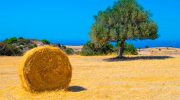
Wheat and barley have shaped Cyprus more deeply than many of its monuments or political eras. Grown across central plains and foothills, these cereals supported village life, defined everyday food traditions, and helped communities endure drought, famine, and political change. This article explores how cereal farming developed on the island, why it mattered socially and culturally, and how grain continues to influence Cypriot life today. cyprusfoodmuseum-com An Island Fed by Grain, Not Spectacle Cyprus is often described through coastlines, ruins, and mythology, yet for most of its history, the island was sustained by something far more modest. Wheat and barley were not symbols of wealth or power. They were tools of survival. For thousands of years, grain farming shaped daily routines rather than grand narratives. Sowing followed the first autumn rains, harvest arrived before the summer heat became destructive, and storage was as important as production itself. In this sense, cereals formed the island’s quiet infrastructure, supporting life without drawing attention to themselves. Where Grain Grows and Why It Grows There Cereal cultivation in Cyprus has always been closely tied to geography. The broad central lowland known as the Mesaoria Plain lies between the Troodos Mountains and the Kyrenia range. Its relatively flat terrain and workable soils made it the island’s most reliable grain-producing region. fergusmurraysculpture-com Smaller cereal fields also…

Read more