Explore Cyprus with Our Interactive Map

Explore our top stories and discover ideas worth your time.

Cyprus E4 Trail – Europe Long Distance Route

Cyprus E4 Trail – Europe Long Distance Route

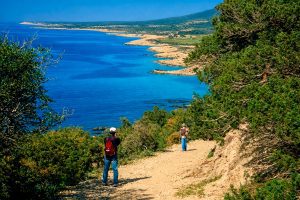
The E4 European Long Distance Path stretches over 10,450 kilometers from Tarifa in southern Spain to Cyprus, making it one of the most ambitious hiking routes in the world. The Cyprus section was added to the route in 2005 following a proposal by the Greek Ramblers Association to the European Ramblers Association. travel-com The trail connects Larnaca and Paphos international airports across approximately 540 to 660 kilometers depending on the route taken. The path crosses Spain, France, Switzerland, Germany, Austria, Hungary, Serbia, Bulgaria, Greece, and Crete before reaching Cyprus as its final destination. The Cyprus segment traverses the Troodos mountain range, the Akamas Peninsula, and long stretches of countryside through regions of exceptional natural beauty and ecological importance. Cyprus became only the second island on the entire E4 route, after Crete, making it a unique endpoint for this continental trail system. The development of Cyprus's section The Cyprus Forestry Department developed the island's E4 section in collaboration with the Cyprus Tourism Organisation to create a cross country route that showcases the island's diverse landscapes. The trail follows a primarily west to east direction, though it includes a significant loop at the eastern end near Larnaca. The route was carefully designed to balance accessibility with wilderness experience, passing through remote forest areas, traditional mountain villages, and coastal regions. agrotourism-com The Department…

Read more
Isolated Cyprus Villages with Scenic Views

Isolated Cyprus Villages with Scenic Views

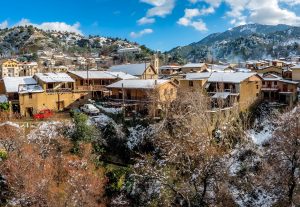
Isolated villages scattered across the Cypriot mountains offer some of the most dramatic views on the island. These remote settlements cling to hillsides and nestle in valleys, far from coastal tourist centers and modern development. shutterstock-com The villages sit at elevations ranging from 900 to 1,380 meters above sea level. Their geographic isolation preserved traditional architecture and ways of life that disappeared elsewhere. Stone houses with wooden balconies, cobblestone streets, and terraced hillsides create scenes that seem frozen in time. Panoramic vistas stretch in every direction from these mountain perches. Visitors can see across valleys thick with pine forests, down to distant coastlines, and toward other villages dotting the landscape. The clean mountain air and reduced light pollution make these locations ideal for photography and stargazing. Centuries of Mountain Settlement People have inhabited Cyprus mountains for thousands of years, though many current villages date from medieval times. During periods when coastal areas faced invasion threats, communities moved inland to the protection of mountain terrain. The Troodos Mountains became a refuge during Byzantine rule. Monasteries appeared first, followed by villages that supported religious communities. The mountains offered natural defense and cooler temperatures during scorching summers. tastecyprus-com Village names often trace back to feudal families or geographic features. Fikardou possibly derives from the phrase "den of fugitives" or from the noble Ficardo…

Read more
Street Arts Music Festivals

Street Arts Music Festivals

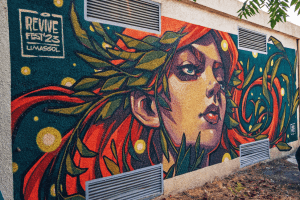
Cyprus is often described through its beaches and ancient monuments, but some of the island’s most revealing cultural moments happen in public streets, squares, and parks. Across cities and towns, music spills into old neighbourhoods, walls become canvases, and everyday spaces are temporarily reshaped by performance and visual art. Street arts and music festivals offer a direct way to experience modern Cypriot creativity as it is lived, shared, and shaped in real time. Rather than separating culture from daily life, these events place it exactly where people already are. When the City Itself Becomes the Venue What distinguishes Cyprus’s street arts and music festivals is not scale, but placement. Performances rarely stay confined to formal halls. Instead, they unfold across pedestrian streets, municipal gardens, historic squares, waterfront paths, and occasionally repurposed industrial sites. The city is not just a backdrop. It is part of the performance. This approach changes how people experience art. Audiences do not arrive, sit, and leave. They move, pause, follow sound, and discover things unintentionally. A concert might lead into a street theatre scene. A mural might become the focal point of a gathering. Culture becomes something encountered rather than scheduled. From Traditional Gatherings to Contemporary Festivals Public celebration has long been part of Cypriot life. Village festivals, religious feast days, and seasonal events once structured…

Read more