High in the Troodos Mountains of western Cyprus, ancient cedars stand like silent guardians of the island’s wild heart. The Cyprus Cedar, an endemic conifer found only here, grows in scattered groves with its distinctive short needles and broad, layered branches. Encountering these majestic trees feels like stepping into a timeless forest where nature has preserved a rare piece of Mediterranean heritage.
Description and naming
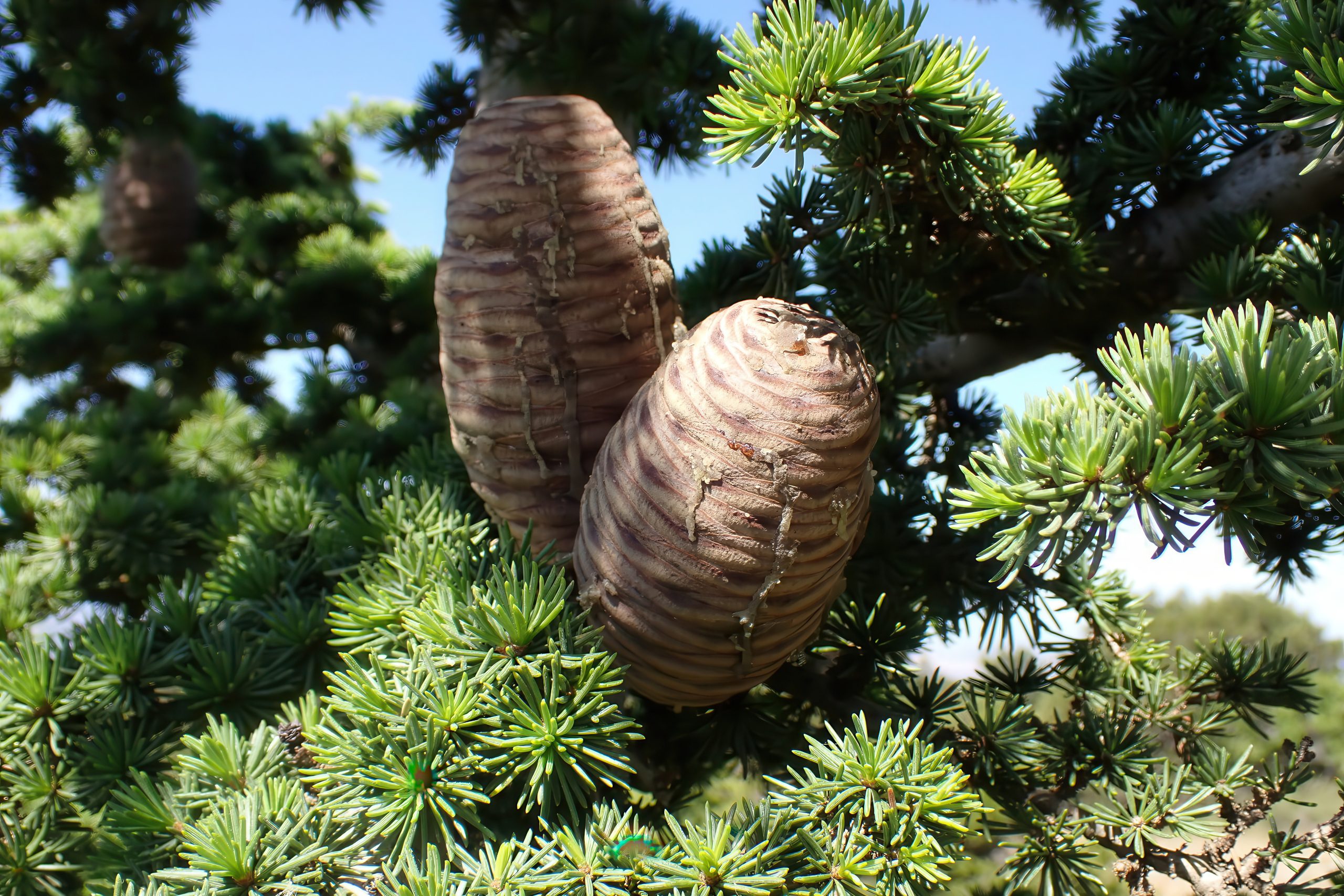
The Cyprus Cedar, Ο κέδρος, known scientifically as Cedrus brevifolia s a large evergreen coniferous tree unique to Cyprus that forms pure or mixed stands in high mountain areas. Although it is sometimes treated as a variety of Cedrus libani, the famous cedars of Lebanon, Cyprus Cedar can be distinguished by its shorter, thicker and bluntish leaves, hence the scientific epithet — brevifolia (short-leaved).
This cedar has thrived in Cyprus’s mountainous landscapes for millennia, adapted to the island’s isolated geography and igneous soils. Confined to a small region of 290 hectares in the western Troodos, it has evolved alongside other endemic species, surviving through ancient climatic shifts and becoming a key part of the local ecosystem long before human settlement.
Appearance
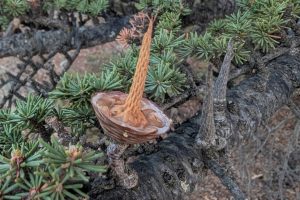
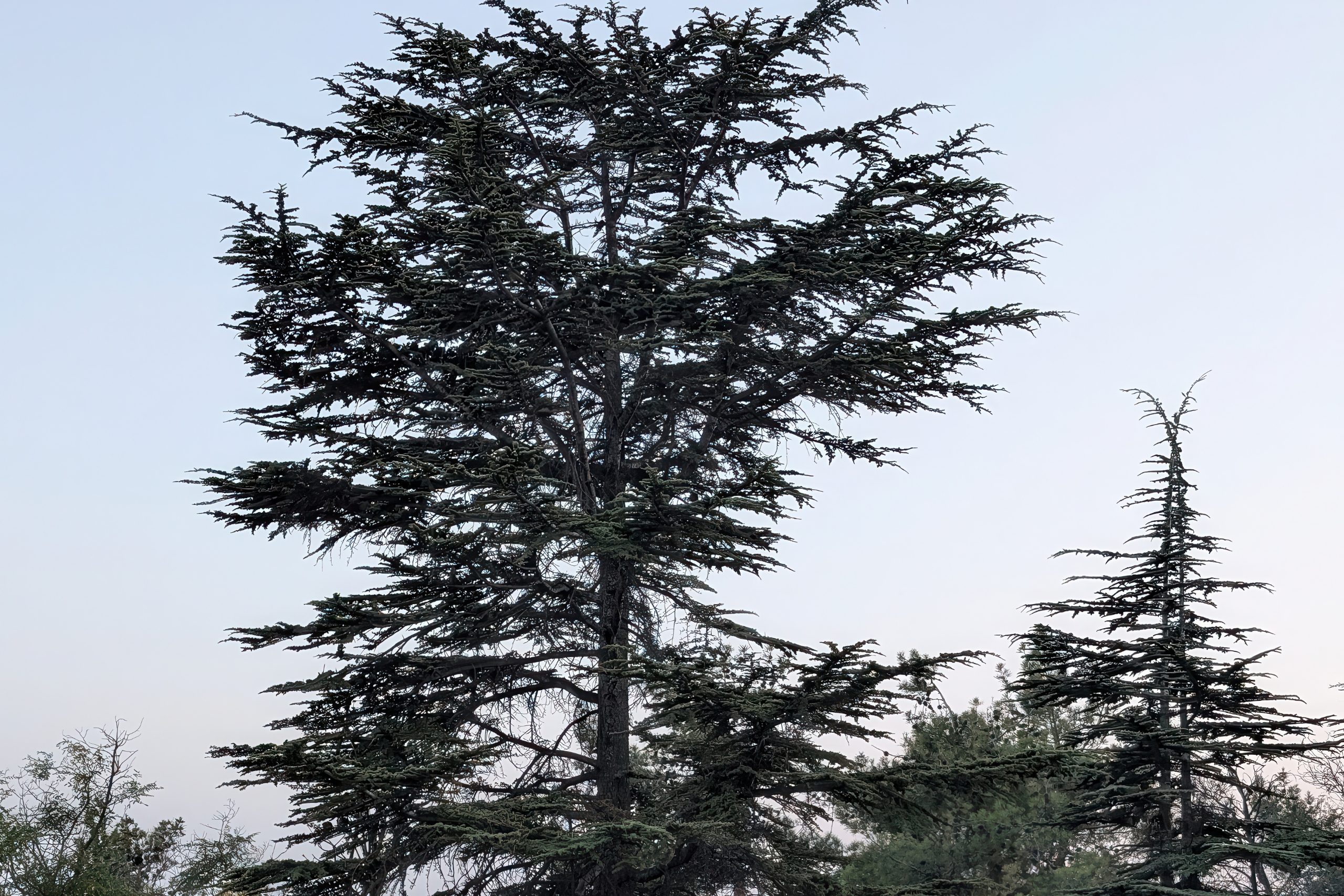
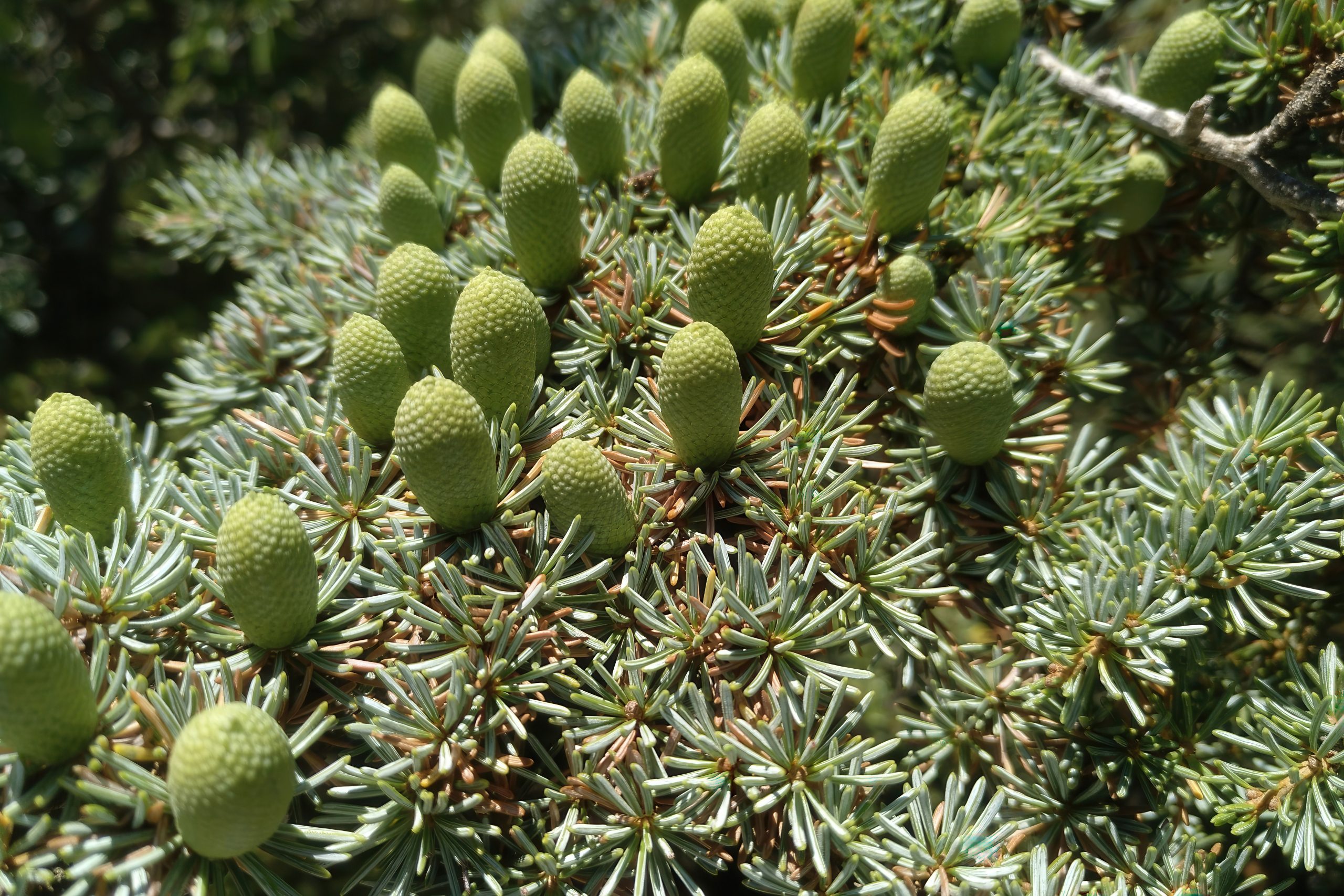
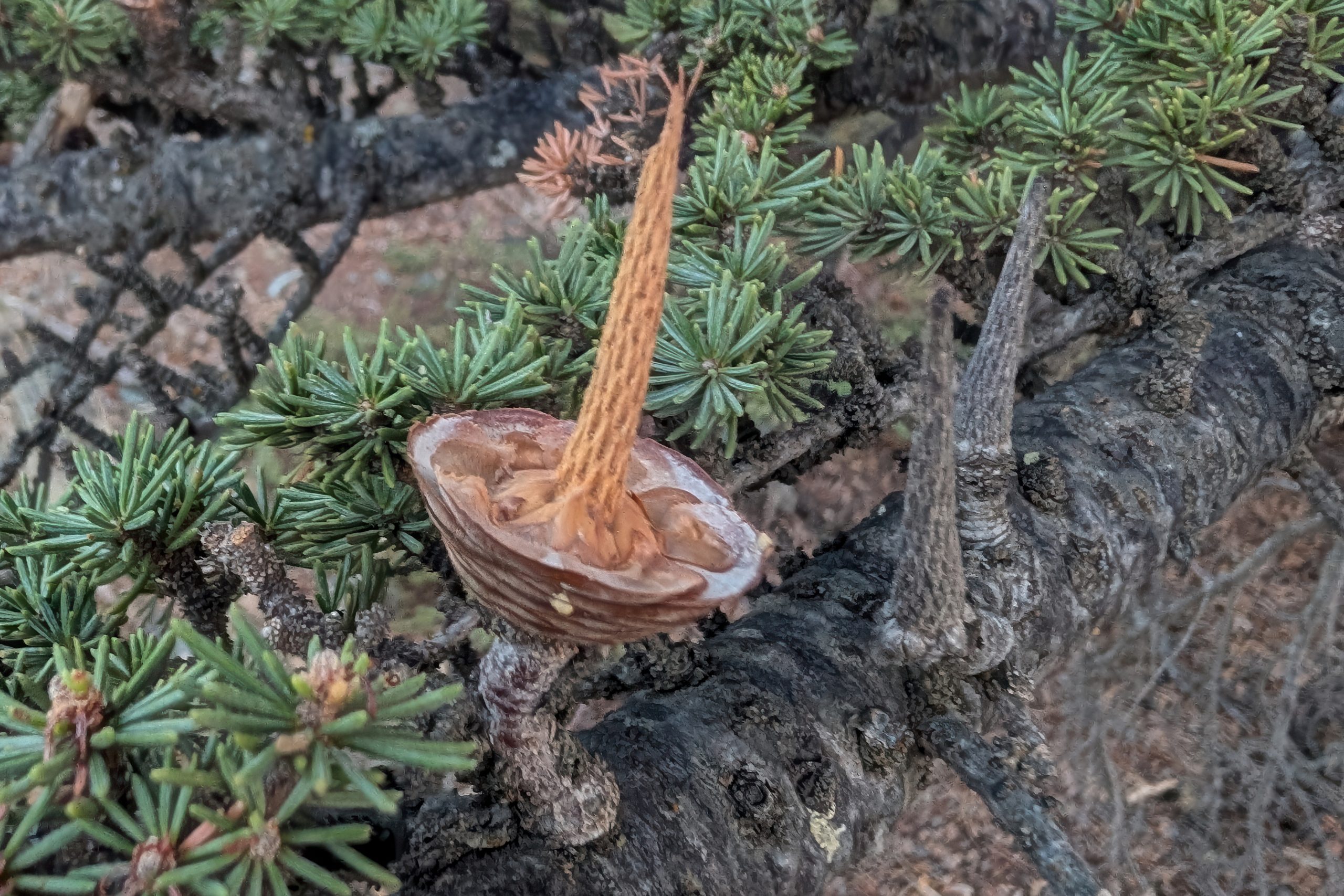
The Cyprus Cedar grows to 15–30 metres tall (sometimes more in ideal conditions), pyramidal at first and with a broad, umbrella-shaped crown in mature trees. Horizontally spreading branches create layered tiers. Its needles are short (5–8 mm), thick, and blue-green, densely covering the branches. The bark starts smooth and grey on young trees, becoming fissured and brown with age. The tree is monoecious (has male and female cones on a single tree) but can vary significantly – sometimes there are mostly “male” or “female” trees or different sexes appear on the different branches of the same tree. Female cones stand upright on the branches, turning from green to brown as they ripen. Once they release their winged seeds, the scales fall away quickly, leaving behind bare, candle-like stems. The male cones look like thick, upright caterpillars and fall off the tree in one piece after they mature.
Quick facts about Cyprus Cedar
• It is one of the rarest cedars in the world, growing naturally in only a handful of fragmented areas covering less than 300 hectares.
• The short needles (brevifolia means “short-leaved”) help it withstand drought better than its close relatives.
• These trees can live for centuries, with some specimens witnessing generations of Cypriot history in their quiet mountain homes.
Is it rare or endangered?
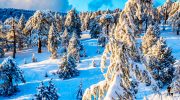
Cedrus brevifolia grows at elevations of 1,000 – 1,400 metres, often on mountain tops in pure stands or mixed with pines, golden oaks, and other shrubs. It is classified as Vulnerable due to its tiny range, threats from fires, droughts, and climate change. Protected as a priority habitat under EU Natura 2000 directives, conservation projects work to monitor and support its populations in places like the Koilada Kedron-Kampos area.
Cedar in Cypriot history
The Cyprus Cedar is a long-lived tree that can easily reach an age of 500 years. Its wood is of exquisite quality, aromatic and resistant to insect and fungus infections. Many woodcut icon screens and other woodwork in old churches were made of cedar wood. Famous Cypriot fleet was largely supported by its excellent timber. Also, in the past, people used to put pieces of cedar wood in cabinets to protect clothing from insects. The remaining Cedar population only survived because of the difficult access to the mountains, otherwise it could have been vanished during any of the periods of economic growth on the island.
Today’s status
For now on it remains a powerful symbol of the island’s unique biodiversity and natural resilience. Featured in environmental awareness efforts and protected zones, it reminds Cypriots and visitors alike of the fragile beauty of their mountains. Its presence in Paphos Forest highlights ongoing commitment to safeguarding endemic species amid modern challenges like climate shifts.
Where and when to observe?
The prime spot to experience the Cyprus Cedar is Cedar Valley in Paphos State Forest, accessible via scenic mountain roads near the Kykkos Monastery or Stavros tis Psokas. Trails like those to Tripylos Peak offer hikes through cedar groves, with picnic areas and stunning views. Spring and autumn provide pleasant weather for walking among the trees, breathing in the fresh pine-scented air and listening to the wind through layered branches. Respect protected status by staying on paths and avoiding disturbance.
The Cyprus Cedar may stand in remote, scattered pockets, but it carries the enduring essence of Cyprus’s wild mountains, quietly inviting us to value and protect its natural treasures for generations to come.