- Origins and Divine Character
- Arrival and Establishment in Cyprus
- Fertility, Sexuality, and Generative Power
- Astarte as a Warrior Goddess
- Sacred Symbols and Artistic Expression
- Cyprus as a Cultural and Religious Bridge
- Influence on Mediterranean Religious Thought
- Legacy and Historical Significance
- Conclusion
Origins and Divine Character
Astarte was one of the most prominent goddesses of the ancient Near East, worshipped across regions such as Phoenicia, Syria, and Mesopotamia long before her influence reached the Mediterranean islands. She embodied a complex divine character, associated with fertility, sexuality, political power, and war. Unlike deities confined to a single sphere, Astarte represented a broad spectrum of life forces, from generative vitality to martial strength. Her worship reflected societies in which reproduction, protection, and sovereignty were inseparable concerns. Over time, her cult traveled westward through trade networks and cultural exchange, eventually reaching Cyprus, where it played a decisive role in shaping the island’s religious landscape.
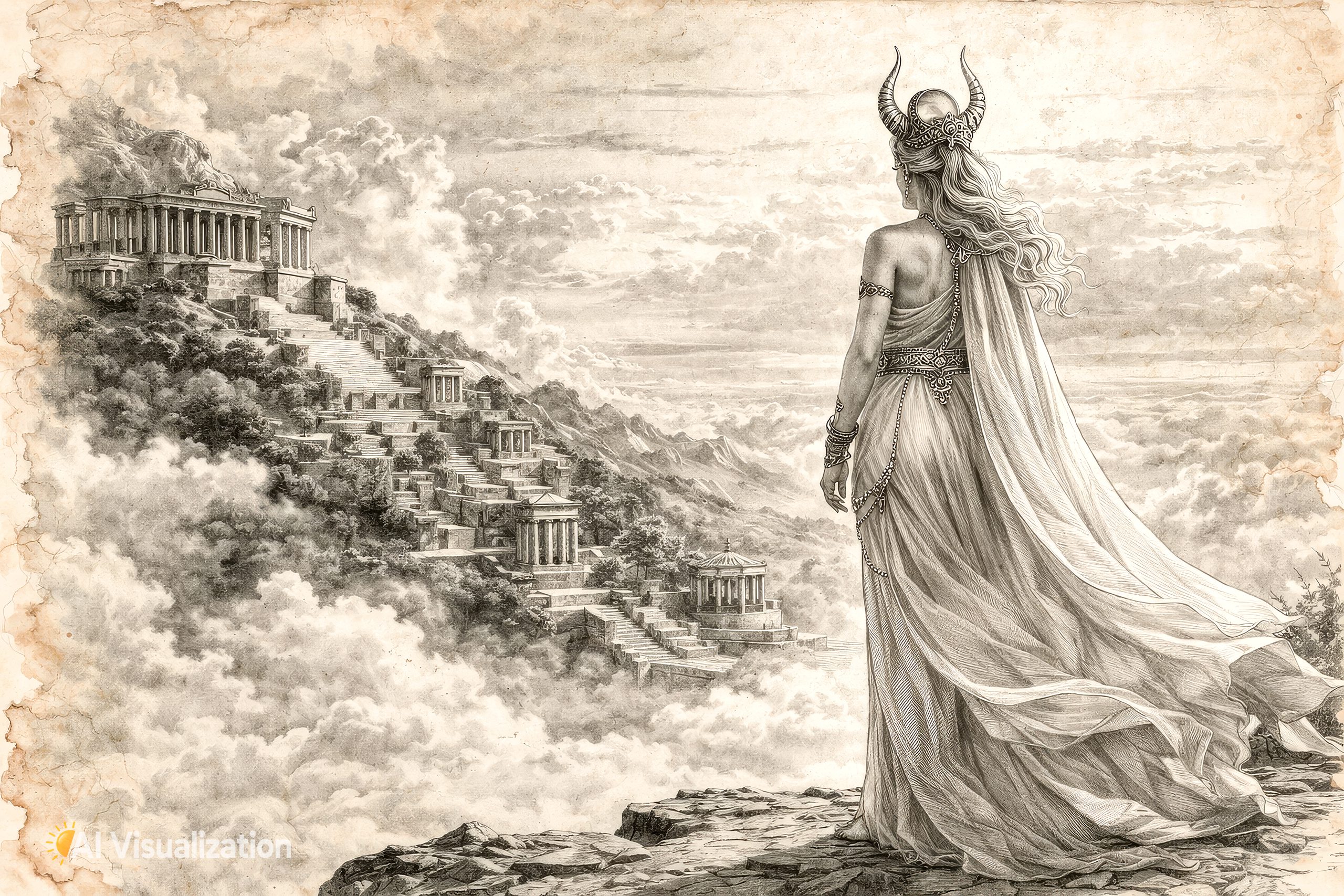
In Near Eastern tradition, Astarte was linked to celestial symbolism, often associated with the planet Venus and the cycles of the sky. This connection reinforced her dual nature as both a life-giving and powerful deity. Her attributes included protection of cities, legitimacy of rulers, and oversight of fertility in both human and agricultural contexts. These features made her cult adaptable to new cultural environments, allowing her identity to merge with local traditions while retaining core symbolic elements.
Arrival and Establishment in Cyprus
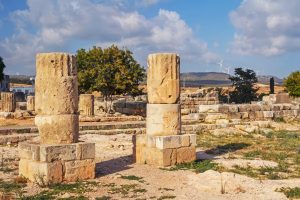
Cyprus’s position between the Levant and the Aegean made it a natural point of contact for eastern religious influences. Trade between Phoenician cities and Cypriot settlements facilitated not only the movement of goods but also the transmission of religious ideas. Astarte’s worship likely arrived through these interactions during the Bronze Age and early Iron Age, becoming integrated into local cult practice. Archaeological evidence of figurines, inscriptions, and ritual objects indicates the presence of Near Eastern religious traditions on the island.
Rather than remaining separate, Astarte’s cult blended with preexisting Cypriot fertility traditions. This process of religious syncretism allowed her to be identified with local goddesses and eventually with Aphrodite, whose cult developed in Cyprus as Greek cultural influence increased. Through this merging, Astarte contributed foundational elements to the form of Aphrodite worship that later spread throughout the Mediterranean.
Fertility, Sexuality, and Generative Power
Astarte’s association with fertility and sexuality was central to her religious role. She symbolized reproductive vitality, ensuring the continuation of life in both human and agricultural realms. Rituals dedicated to her often sought blessings for childbirth, marriage, and harvest. Her cult emphasized the life-sustaining aspects of sexuality, presenting it as a sacred force tied to cosmic balance.
When these ideas merged with Cypriot and Greek traditions, they helped shape the broader concept of Aphrodite as a goddess of love and generative energy. The sacred dimension of sexuality in Astarte’s worship provided a theological framework that extended beyond personal desire, integrating reproduction with divine order. Cyprus, where these traditions converged, became a key location in the evolution of Mediterranean religious thought about fertility and attraction.
Astarte as a Warrior Goddess
In addition to her fertility aspects, Astarte was also linked to war and protection. In Near Eastern societies, goddesses could embody both nurturing and martial qualities, reflecting the interconnected needs of survival and defense. Astarte’s martial dimension positioned her as a guardian of cities and a source of strength for rulers. This duality distinguished her from later Greek representations of Aphrodite, who was less commonly associated with warfare.
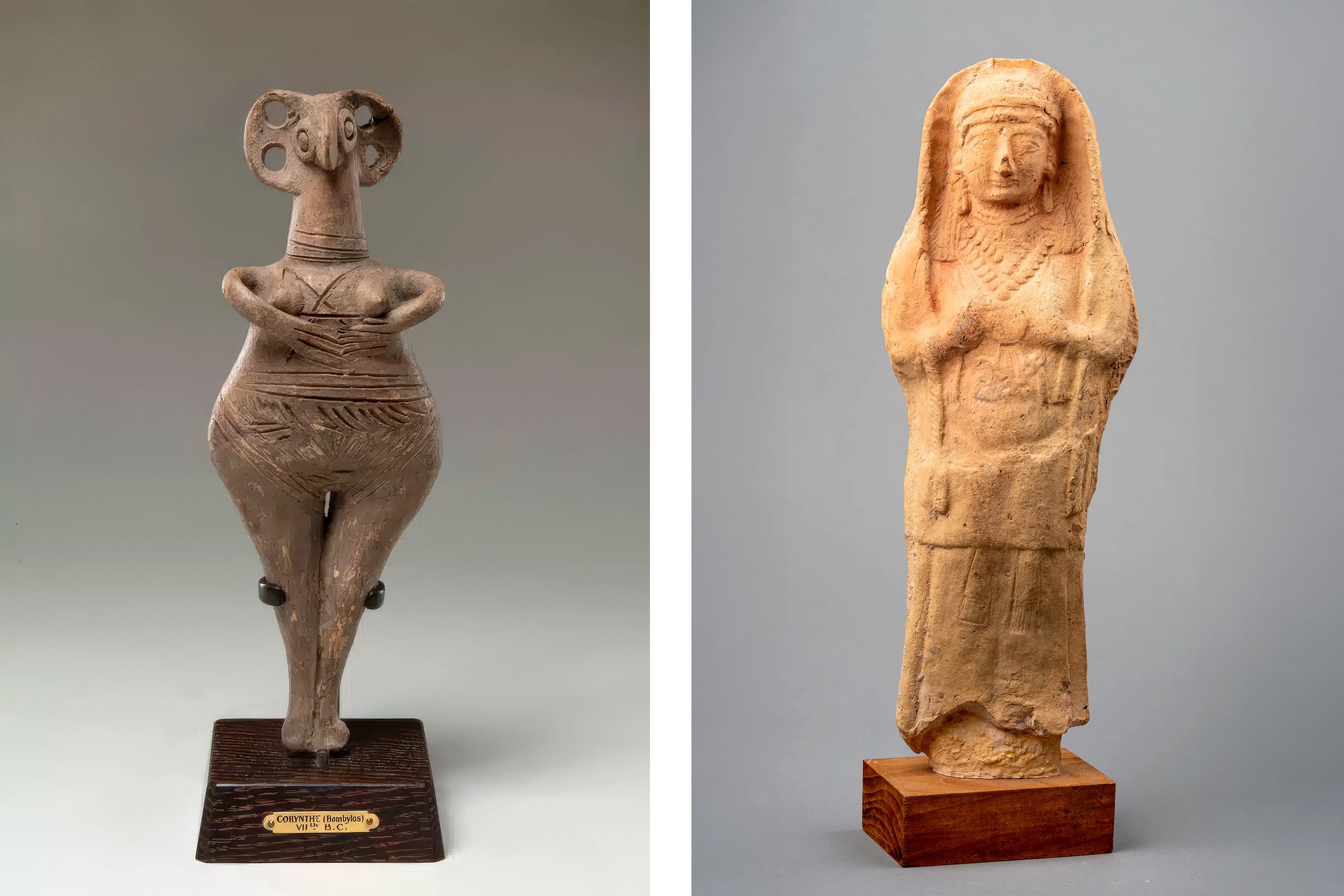
However, traces of this martial aspect persisted in Cypriot religious identity. The blending of Astarte with Aphrodite may explain why Aphrodite in some traditions retains elements of power and authority beyond romantic love. Cyprus thus served as a cultural bridge where eastern concepts of a multifaceted goddess influenced the development of Greek mythological characterizations.
Sacred Symbols and Artistic Expression
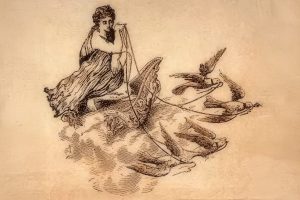
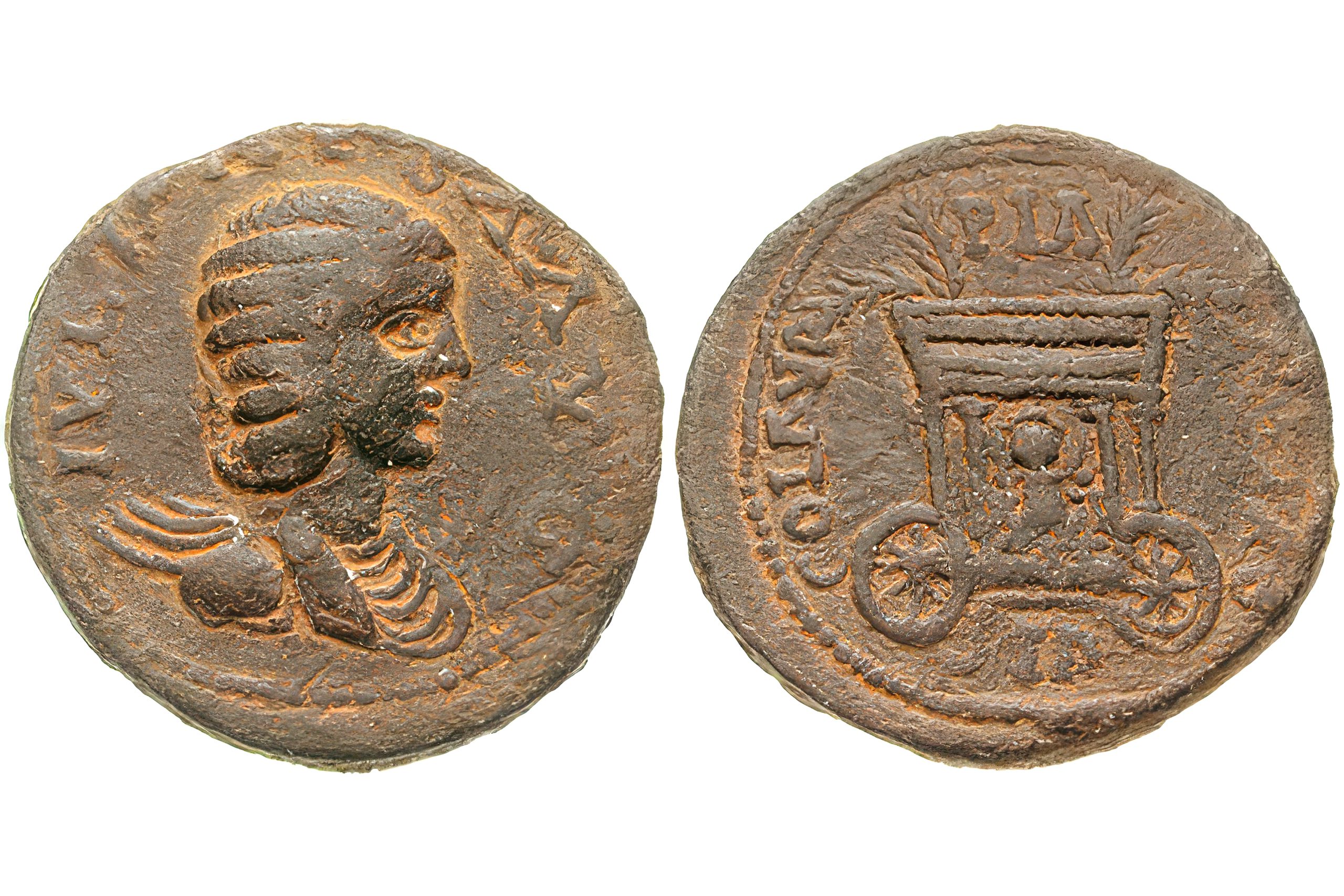
Astarte’s worship involved distinctive symbols, including lions, doves, and celestial motifs, which expressed her authority and connection to nature. Many of these symbols later appeared in Aphrodite’s iconography, demonstrating continuity between traditions. The transfer of imagery reflects how religious identity can evolve through artistic adaptation. Cypriot sanctuaries show evidence of eastern artistic influence, with forms and motifs that parallel Near Eastern religious art.
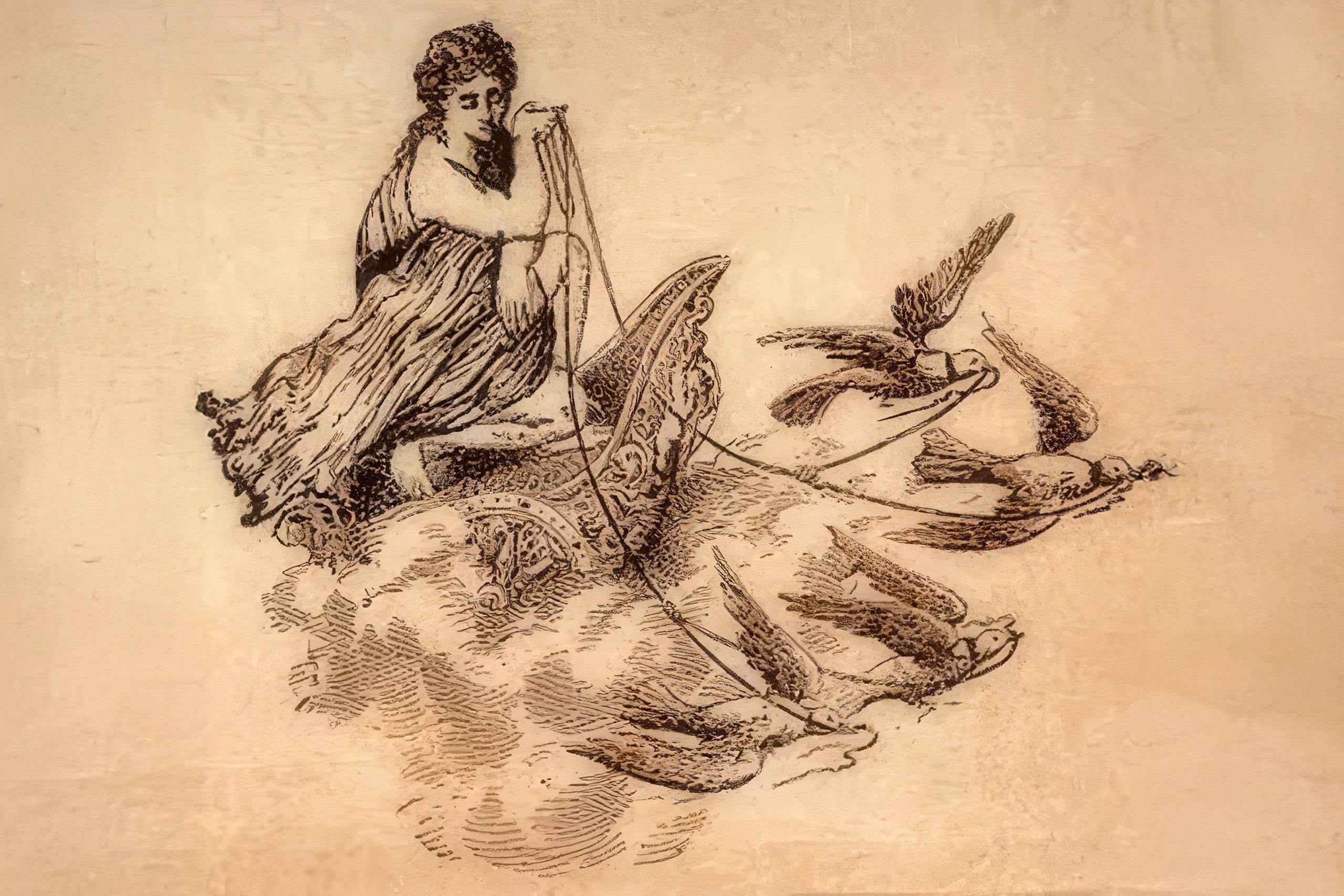
Through these visual elements, Astarte’s presence became embedded in the material culture of Cyprus. Art served as a medium through which religious ideas were preserved and transformed, allowing the goddess’s attributes to persist even as her name changed within Greek contexts.
Cyprus as a Cultural and Religious Bridge
The merging of Astarte with Aphrodite highlights Cyprus’s unique role as a mediator between cultures. Positioned at the intersection of trade routes, the island absorbed influences from the Levant and the Aegean, creating a hybrid religious environment. This blending did not erase earlier traditions but layered them within new mythological frameworks. Cyprus became known as a sacred landscape where eastern and Greek religious ideas converged, shaping the identity of one of the Mediterranean’s most influential goddesses.
Through this process, Cyprus gained a reputation as a birthplace of Aphrodite while simultaneously preserving elements of Astarte’s eastern heritage. The island’s religious identity thus reflects a history of cultural dialogue rather than isolation.
Influence on Mediterranean Religious Thought
The transformation of Astarte’s cult into aspects of Aphrodite worship had lasting impact on Mediterranean religious thought. Ideas about divine love, fertility, and generative power carried echoes of Near Eastern theology even as they were expressed through Greek mythological language. Cyprus’s role in this process ensured that eastern and western traditions remained interconnected.
The spread of Aphrodite’s cult across the Greek and later Roman worlds carried with it underlying elements of Astarte’s symbolism. This continuity illustrates how religious ideas evolve through contact and reinterpretation, with Cyprus acting as a key site of synthesis.
Legacy and Historical Significance
Archaeological discoveries and literary sources continue to reveal the depth of Astarte’s influence on Cypriot religion. Sanctuaries, votive offerings, and artistic motifs demonstrate the lasting presence of eastern religious traditions on the island. Understanding Astarte’s role clarifies how Cyprus contributed to the broader development of Mediterranean spirituality.
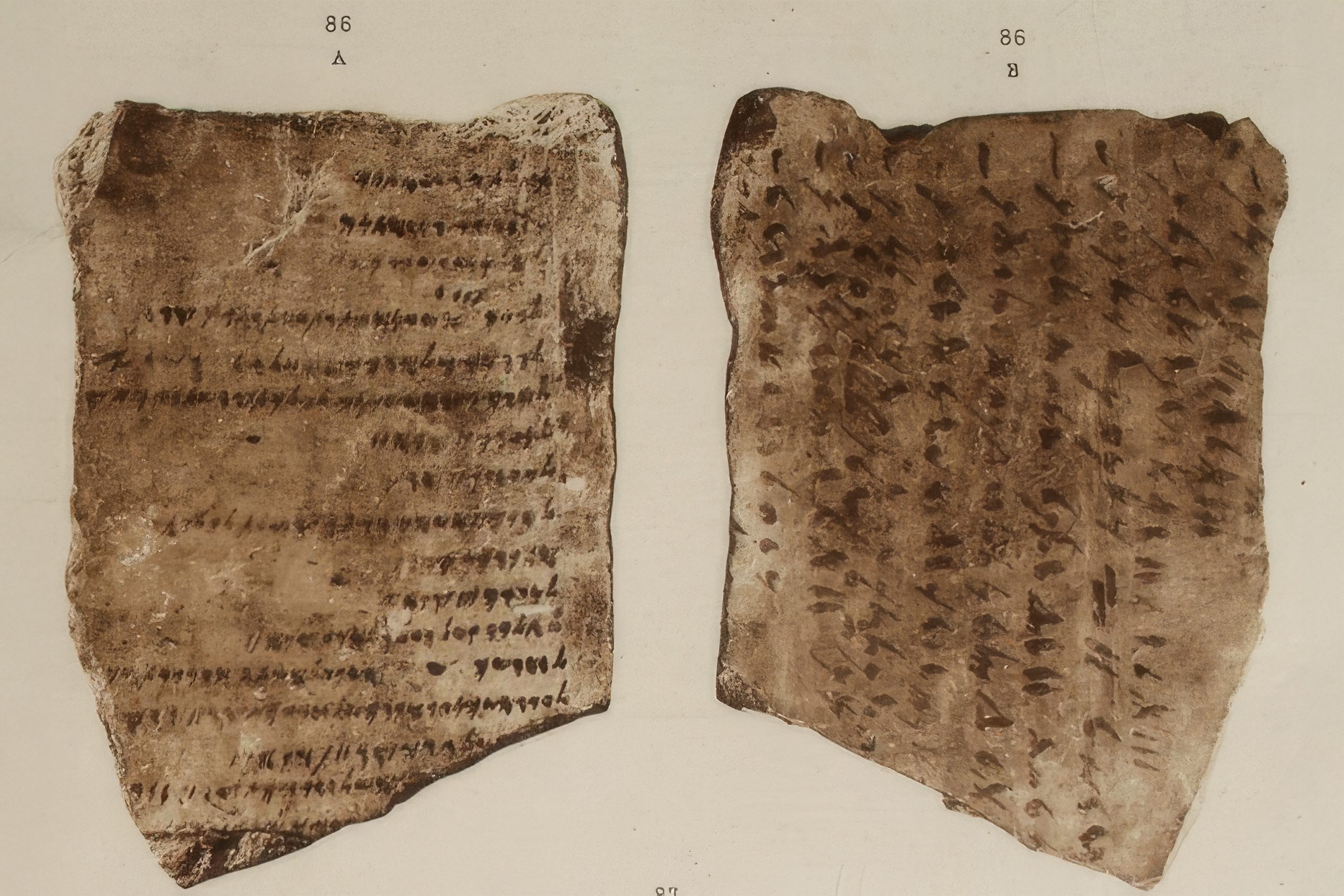
The legacy of Astarte in Cyprus exemplifies the dynamic nature of ancient religion, where deities could transform and merge while retaining core symbolic functions. Her influence underscores the island’s importance as a crossroads of belief and cultural exchange.
Conclusion
Astarte, the eastern goddess of fertility, sexuality, and war, played a crucial role in shaping the religious identity of Cyprus. Through cultural exchange and syncretism, her worship merged with local traditions and influenced the development of Aphrodite’s cult. This process made Cyprus a bridge between Near Eastern and Greek mythology, embedding eastern theological concepts within Mediterranean religious thought. The enduring legacy of Astarte’s presence on the island highlights Cyprus’s position as a center of cultural interaction and sacred continuity in the ancient world.