Greek and Cypriot dance music is not background sound. It is structure, instruction, and memory working at the same time. Across villages, islands, and generations, specific rhythms have guided how people move together, celebrate together, and mark life’s most important moments. This article explains how three core dance forms, Syrtos, Sousta, and Ballos, shape the musical language of Cyprus and Greece, why their rhythms matter, and how they continue to function not as performances, but as social glue.
Music That Tells the Body What to Do
In Greek and Cypriot tradition, dance music is practical before it is expressive. Its primary job is not to impress the listener, but to tell the dancer when to step, pause, turn, or leap.
This is why rhythm matters more than melody. The structure of the beat dictates how bodies move together, whether in long communal lines or intimate pairs. Over time, certain rhythmic patterns became deeply familiar, allowing dancers to respond instinctively without instruction.
Two broad movement styles dominate this musical world:
- Dragging, grounded movement, where dancers glide horizontally across the ground
- Leaping, spring-like movement, where energy rises and falls vertically
These qualities are not abstract. They are felt immediately in the music.
Syrtos: The Music of the Line and the Circle
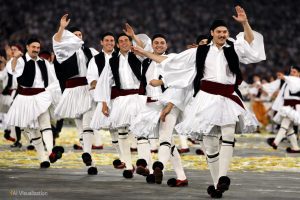
The Syrtos is the backbone of Greek and Cypriot dance music. Its name comes from a word meaning “to drag” or “to lead,” which describes both the sound and the movement it supports.
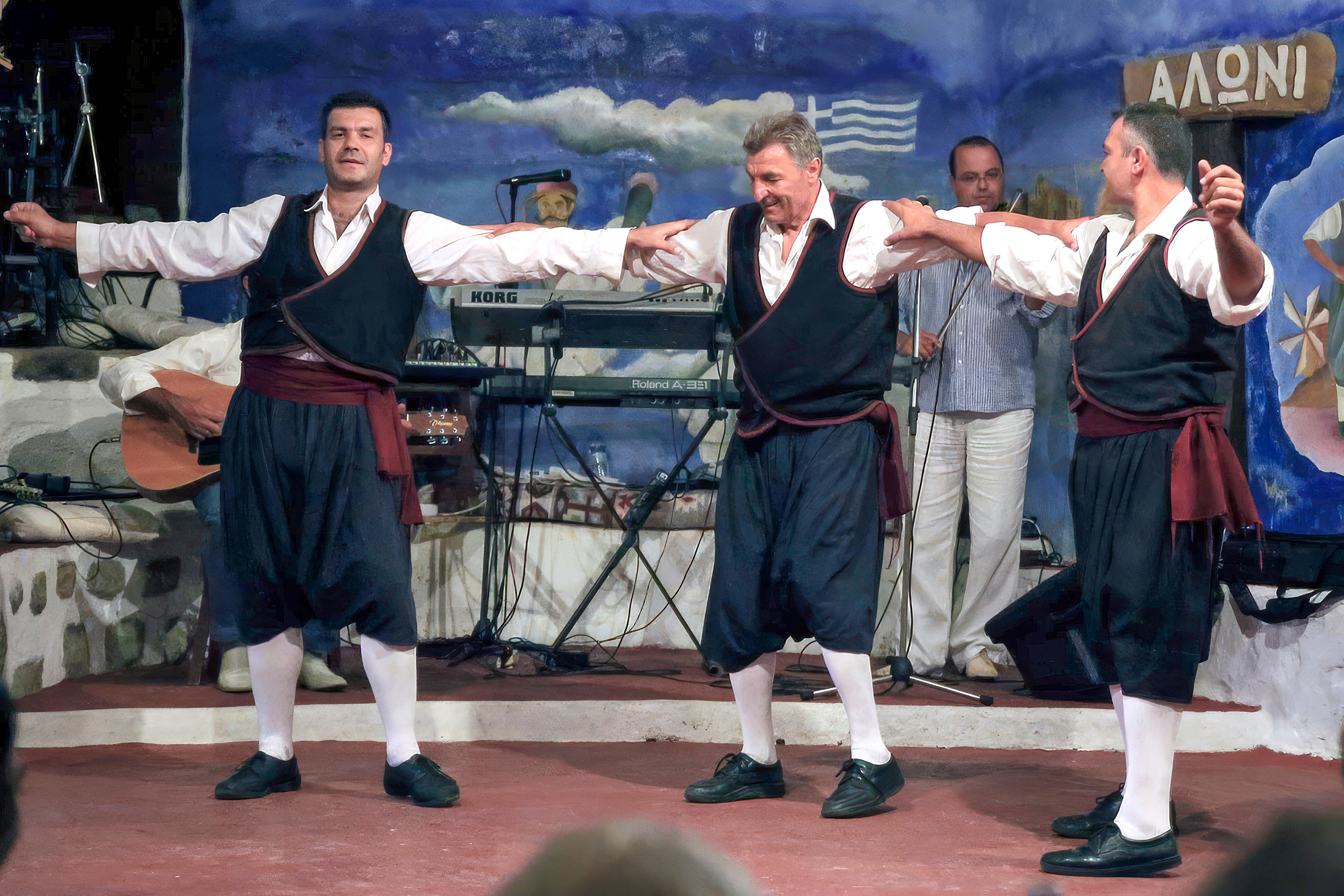
Musically, Syrtos melodies follow steady, flowing rhythms that encourage connected, continuous motion. Dancers usually form a line or open circle, moving together rather than drawing attention to individuals. The music allows for leadership at the front, but always keeps the group intact.
In Cyprus and the islands, Syrtos music often feels lighter and more fluid, shaped by maritime life. On the mainland, especially in mountainous regions, it can feel heavier and slower, reflecting geography and social structure. The rhythm adapts, but the principle remains the same: collective movement guided by predictable musical phrasing.
This is why Syrtos appears so often at weddings and village festivals. It welcomes everyone into the dance, regardless of age or skill.
Sousta: When the Music Starts to Rise and Fall
If Syrtos keeps dancers moving together across the ground, Sousta asks them to lift, respond, and release energy in cycles. The name itself refers to a spring, and the music behaves exactly like one, compressing and expanding through fast-paced rhythmic patterns.
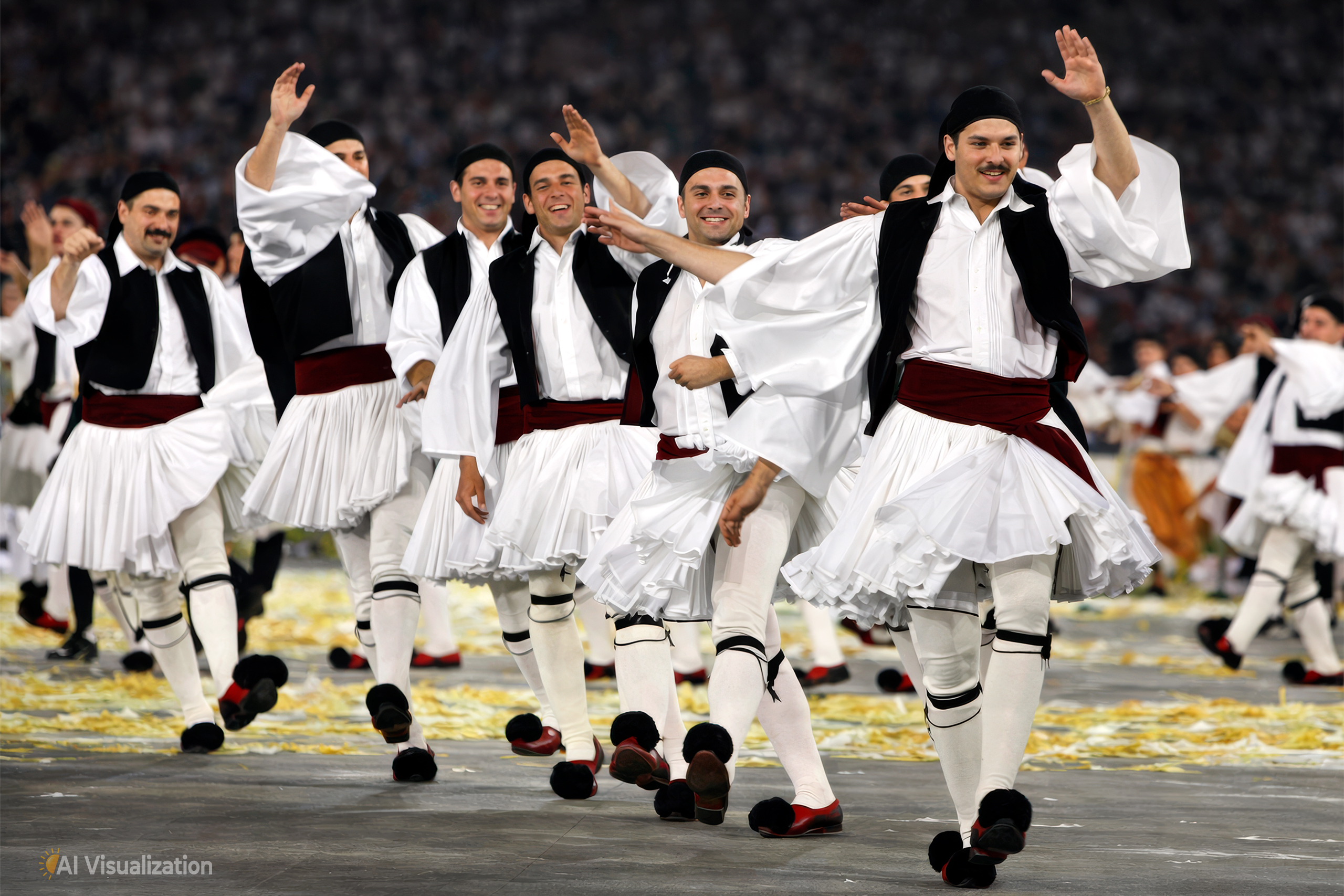
Sousta rhythms are quicker and more demanding, built around tension that resolves in repeated bursts of movement. The music encourages hopping steps, sudden turns, and light, vertical motion that contrasts sharply with the grounded glide of Syrtos. This physical contrast is intentional, offering both dancers and musicians a shift in energy without breaking continuity.
Historically, Sousta is often linked to older martial or training dances where stamina, coordination, and alertness were essential. Over time, that intensity softened into something more social. In Cypriot and island communities, Sousta became closely tied to courtship and celebration, especially during weddings, where movement carried symbolic meaning as well as joy.
The music itself leaves little room for hesitation. Its rhythm demands attention, and when Sousta is played, dancers respond almost immediately. The beat does not invite reflection. It invites motion.
Ballos: Music That Narrows the Focus
Ballos marks a deliberate change in musical and social perspective. Where Syrtos belongs to the group and Sousta energizes the collective, Ballos turns attention toward the relationship between two dancers.
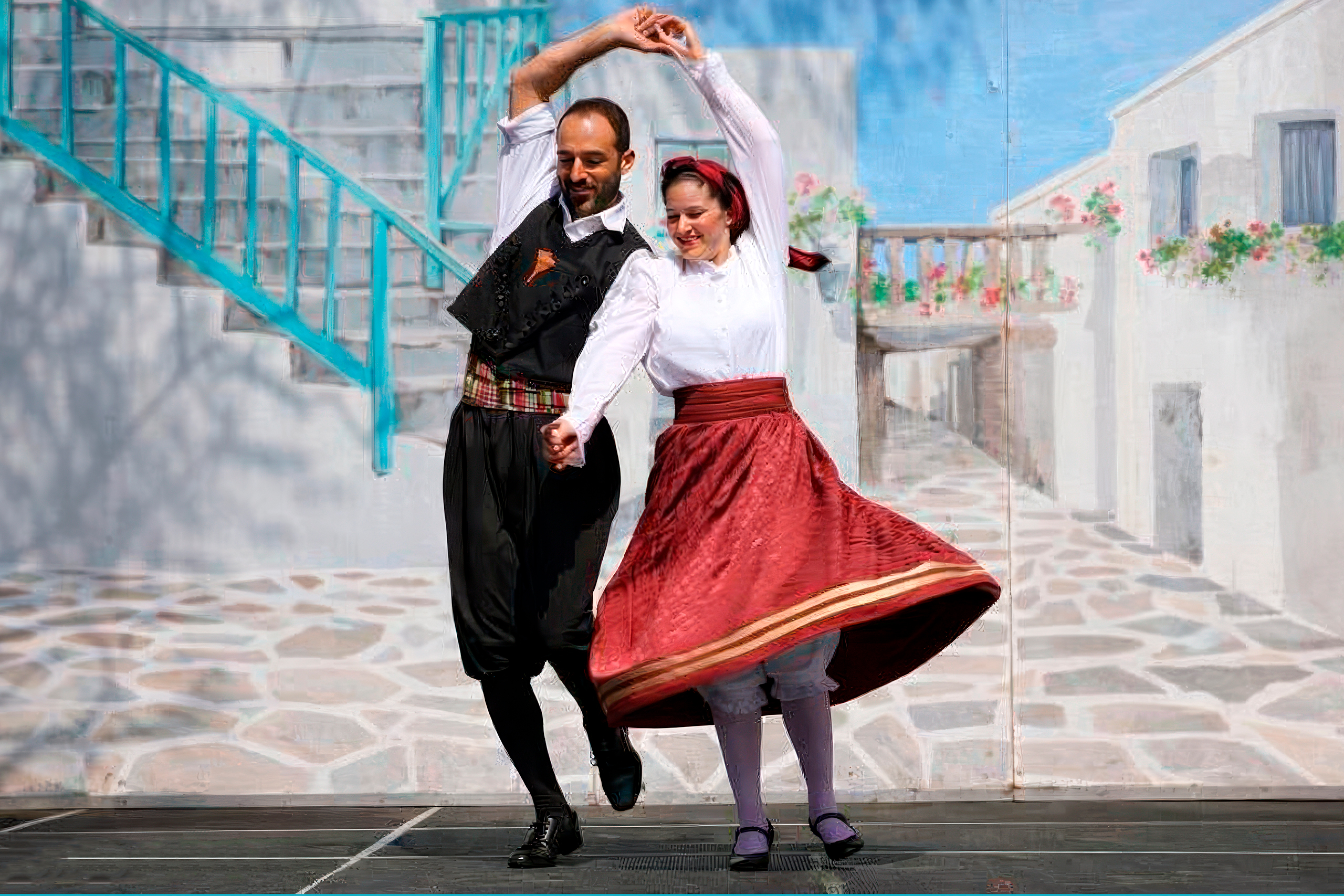
Developed most strongly in the Greek islands, Ballos absorbed external musical influences while maintaining its role within local traditions. Its rhythms remain clear, but the phrasing becomes more spacious, allowing dancers to interpret, approach, retreat, and respond to one another. The music supports conversation rather than coordination.
Ballos is rarely introduced abruptly. It often follows a Syrtos, using related melodic material so the transition feels natural rather than theatrical. This sequence reflects an older social logic, where communal participation gradually gives way to individual expression, all within the same musical framework.
In Cyprus, Ballos is frequently part of a structured dance progression rather than a standalone performance. This reinforces the idea that dance music unfolds in stages, guiding social interaction step by step rather than offering isolated moments of display.
Instruments That Carry the Rhythm
The sound of Greek and Cypriot dance music is shaped as much by its instruments as by its rhythms.
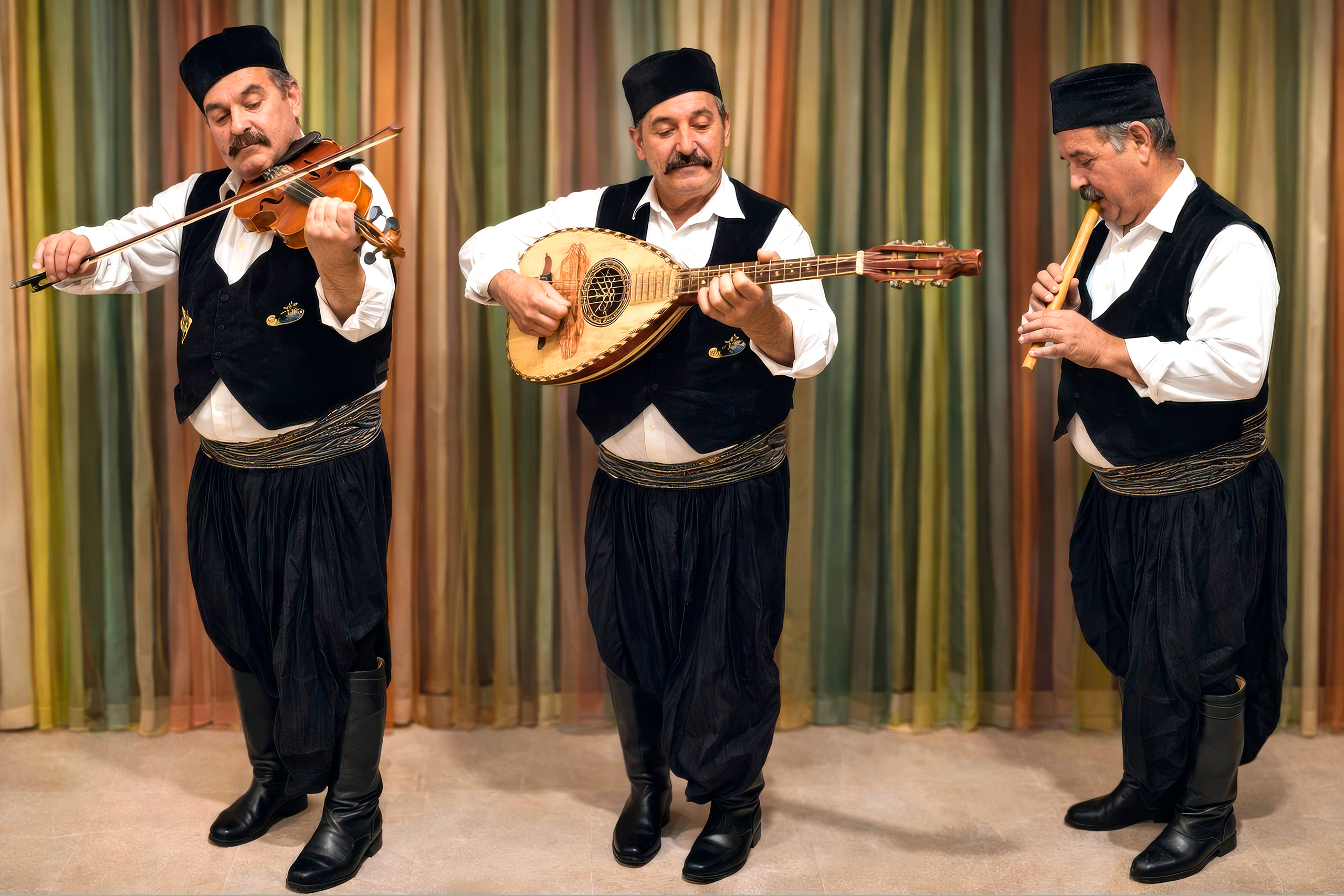
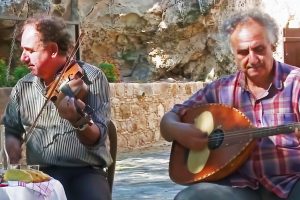
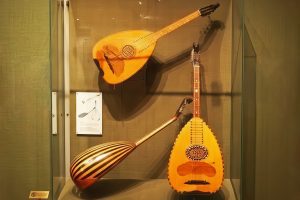
Across Cyprus, the violin and lute form the foundation of most dance ensembles, balancing melodic expression with rhythmic clarity. Older village traditions also include shepherd flutes, frame drums, and regional string instruments, all tuned and played with movement in mind rather than virtuosity.
What matters most is precision. These instruments must communicate rhythm cleanly and consistently so dancers can move without uncertainty. Ornamentation exists, but it never obscures the beat. Music here serves the body first, artistry second.
Weddings: Where These Rhythms Still Function Fully
Weddings remain the setting where Greek and Cypriot dance music operates most completely.
In traditional celebrations, music does more than accompany events. It organizes them. Specific rhythms appear at defined moments, guiding preparation, procession, gifting, and communal dancing. Each musical shift signals a change in social focus, inviting participation or attention as needed.
Even in modern ceremonies, where time is compressed and formats simplified, these rhythms persist. The steps may be shorter and the ensembles amplified, but the underlying musical logic remains recognizable and intact.
Why This Music Continues to Matter
Greek and Cypriot dance music has endured because it was never designed for passive listening. Its rhythms encode movement directly into sound, ensuring that participation remains central to the experience.
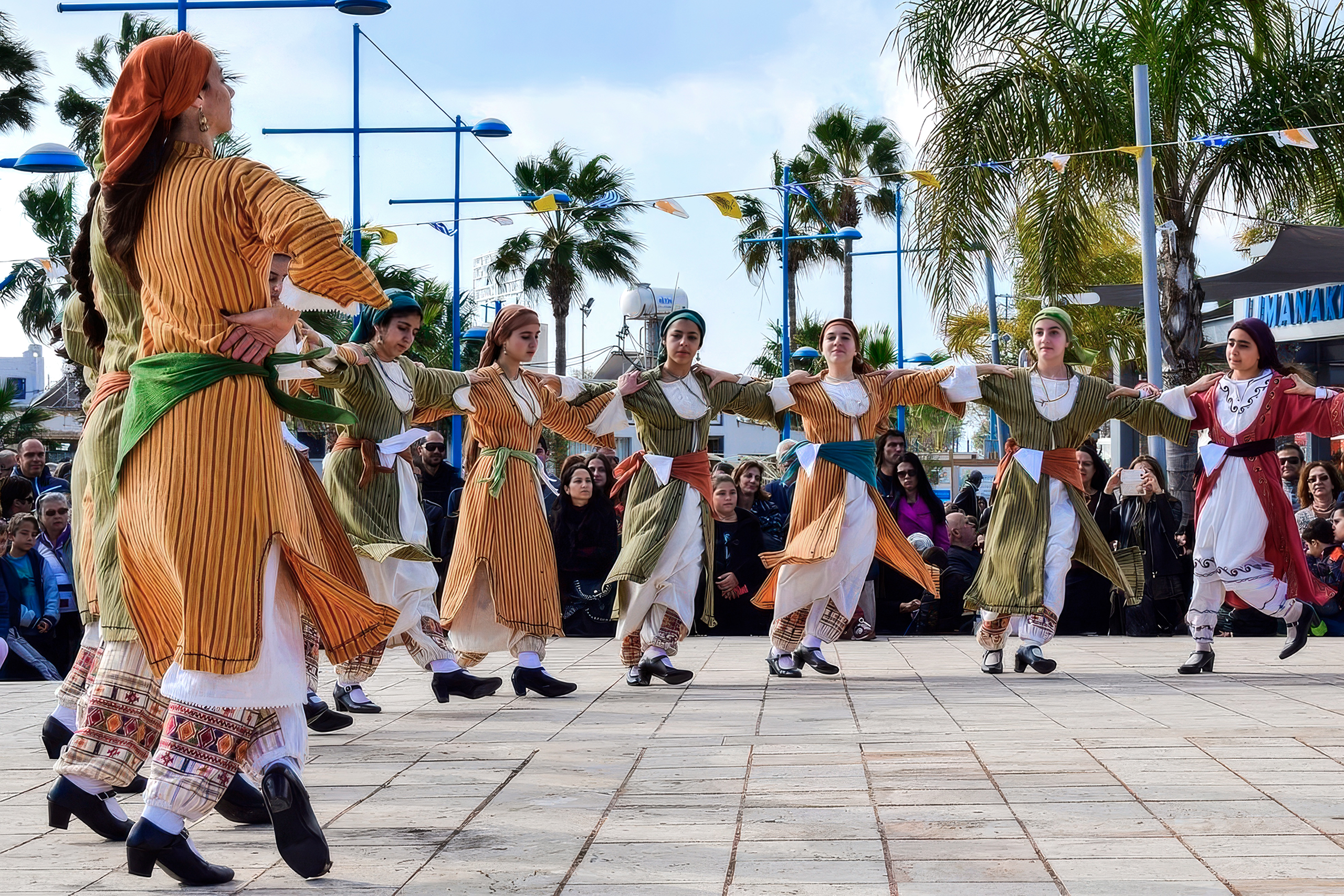
In a world increasingly dominated by music consumed alone and without context, these traditions remind us that sound once functioned as instruction, invitation, and memory at the same time. When Syrtos, Sousta, or Ballos begins, the music does not explain itself. It assumes that the body remembers.