Explore Cyprus with Our Interactive Map

Explore our top stories and discover ideas worth your time.

Nea Paphos Ancient Capital of Roman Cyprus

Nea Paphos Ancient Capital of Roman Cyprus

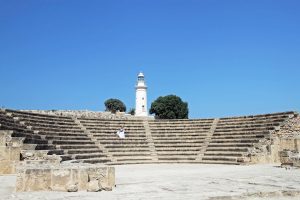
Nea Paphos occupies a coastal plain on the southwestern shore of Cyprus, adjacent to the modern city of Paphos. Founded in the 4th century BC by Nikokles, the last king of nearby Palaipaphos, Nea Pafos then went from strength to strength, particularly under the Ptolemaic kingdom from the 3rd century BC. The city was located on a peninsula surrounded by a natural bay and between the two small hills called Fanari and Fabrika. irecommend-ru Nea Paphos was founded at the turn of the 4th and 3rd century BC as an important harbour located on the sea trade route from Rhodes to Alexandria. Thanks to its strategic location, from the 2nd century BC Nea Paphos became the capital of Cyprus and the seat of the strategos, general managing the island. The site preserves remains of villas, palaces, theaters, and tombs that span from the Hellenistic period through the Byzantine era, making it one of the Mediterranean's most significant archaeological areas. Historical Background Thanks to the extensive and modern port and access to cider wood from the nearby forests, Nea Paphos became a base of Ptolemaic navy and a military garrison made up of mercenaries was stationed here. The multicultural character of the city was probably complemented by many sailors and merchants, but also by pilgrims who, through the eastern city gate,…

Read more

Ottoman Baths in Cyprus

Ottoman Baths in Cyprus

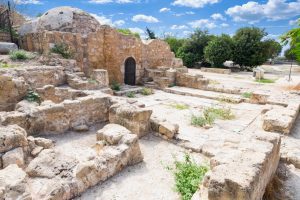
Ottoman baths, known as hamams, represent a distinctive cultural contribution to Cyprus architecture and social life. These public bathhouses served communities across the island for centuries, combining cleansing rituals with social gathering spaces. Several hamams survive today as monuments to Ottoman rule, with two still operating as functional spas. wikimedia.org1 The hamam tradition did not originate with the Ottomans. Its roots stretch back to Roman thermae and Byzantine bathing practices, which the Ottomans inherited and adapted to Islamic requirements for ritual cleanliness. The word hamam comes from the Arabic root meaning heat or heating, reflecting the central role of warmth in the bathing process. Islamic tradition emphasizes cleanliness as a prerequisite for prayer. This religious requirement, combined with social customs, made hamams essential public facilities throughout the Ottoman Empire. Most homes lacked private bathing facilities, so hamams served practical hygiene needs while also becoming important social institutions. Historical Background thisispafos.com The Ottoman Empire captured Cyprus from Venice in 1571 after a prolonged military campaign. This conquest marked the beginning of over three centuries of Ottoman administration that fundamentally reshaped the island's demographic and cultural character. One of the Ottomans' first priorities in newly conquered cities was establishing hamams. These buildings demonstrated Ottoman presence and provided essential services to both the Turkish soldiers and settlers who arrived from Anatolia and the…

Read more
Famagusta Salt Lake Formations & Flamingos

Famagusta Salt Lake Formations & Flamingos

The Famagusta district hosts several seasonal salt lakes and wetlands that transform dramatically between summer and winter. Paralimni Lake, a natural seasonal wetland in the Famagusta district, is one of the few remaining wetlands of its kind in Cyprus. Facebook-comDimitris-Vetsikas This shallow water body covers approximately 350 hectares and represents the largest natural inland lake on the island. North of the city of Famagusta Glapsides Salt Lake, a smaller coastal salt lake favored by migrating birds. These wetlands share common geological origins and ecological functions despite their different locations within the district. Ancient Seas and Modern Salt Lakes The formation of Cyprus's salt lakes connects to both recent geological history and ancient Mediterranean events. Around 5.96 to 5.33 million years ago, the Mediterranean Sea underwent the Messinian Salinity Crisis when the Strait of Gibraltar closed, cutting off water from the Atlantic. The entire Mediterranean basin experienced extreme evaporation, depositing thick layers of salt and gypsum across the seafloor. When the strait reopened, seawater flooded back and covered these deposits. Cyprus's current salt lakes formed much more recently through different processes. Paralimni Lake is a slightly brackish, shallow temporary water body with an average depth of 15 centimeters during the wet period. The lake occupies a natural depression that collects rainwater runoff during winter months. In 1893 due to excess humidity…

Read more