Explore Cyprus with Our Interactive Map

Explore our top stories and discover ideas worth your time.

Folk Traditions Shaping New Cypriot Identity

Folk Traditions Shaping New Cypriot Identity

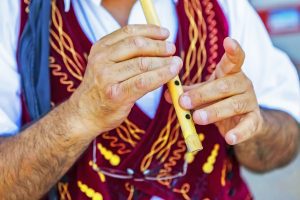
Cyprus's contemporary music scene is not driven by nostalgia, nor by imitation of global trends. Instead, it is shaped by a quiet but deliberate return to local sound. Over the past two decades, musicians across the island have begun reworking traditional Cypriot music into modern forms, blending ancient instruments, irregular rhythms, and modal melodies with rock, jazz, and electronic influences. The result is not a revival of folklore, but a living musical language that reflects modern Cypriot identity while remaining deeply rooted in place, memory, and shared experience. This evolving folk-fusion movement explains how Cyprus sounds today. It also reveals how music has become one of the island's most powerful tools for cultural continuity and dialogue. Not a Revival, but a Reconnection Unlike earlier attempts to modernize folk music, today's Cypriot fusion is not decorative. Traditional elements are not added for color. They shape the structure of the music itself. This shift became especially visible after Cyprus joined the European Union in 2004 and intensified following the financial crisis of 2013. As economic confidence declined, many artists began questioning imported cultural models and turned instead toward local traditions. Music became a way to explore identity without nostalgia, using inherited forms to speak about present realities. Importantly, this movement crosses political and cultural boundaries. Musicians from both sides of the island…

Read more

Lapithos

Lapithos

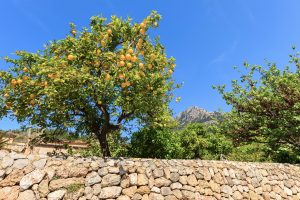
Lapithos sits on the northern coast of Cyprus beneath the Kyrenia mountains, where lemon groves once produced 11 million fruits per year and Byzantine treasures buried during Arab raids emerged a thousand years later in museum collections around the world. This settlement has existed for over 5,000 years under at least four different names. adobe-stock-com Lapithos is one of the oldest continuously inhabited sites on Cyprus. The modern town of Lapithos occupies the slopes of the Pentadactylos mountain range near where the ancient city kingdom once stood. The coastal ruins three kilometers north are called Lambousa, the name used during Roman and Byzantine times. Ancient writers, including Strabo, knew it as Lapethos. The philosopher Alexander of Ephesus called it Imeroessa, meaning attractive and passion-arousing. Assyrian inscriptions from 700 BC mention it as Sillu. Each name reflects a different period in the settlement's long history. Historical Background The oldest settlement at Lapithos dates to the Neolithic or Chalcolithic period and is located west of the current town at a site called Alonia ton Plakon. Archaeological evidence, including pottery and pottery wheels, confirms occupation as early as 3000 BC. Stone foundation walls, hearths, and three bothroi cut into rock have been found, though floods and later cultivation damaged much of the early settlement. adobe-stock-com According to Greek tradition, Spartan colonists led by…

Read more
Traditional Cypriot Cooking with Olive Oil, Lemon, and Herbs

Traditional Cypriot Cooking with Olive Oil, Lemon, and Herbs

Traditional Cypriot cooking relies on three essential ingredients: olive oil, lemon, and fresh herbs such as mint, oregano, and parsley. This simple trinity defines the island's approach to food, creating dishes that emphasize natural flavors rather than complex techniques. Traditionally, cumin and coriander seeds make up the main cooking aromas of the island. somanyhorses-ru Olive oil serves as the primary fat for salad dressings and vegetable preparations, though not for cooking meat dishes. Lemon juice appears in nearly every savory dish, from marinades to finishing touches. Fresh herbs grow abundantly across Cyprus, with mint being particularly important. Mint grows abundantly in Cyprus, and locals use it for everything, particularly in dishes containing ground meat. This cooking philosophy developed over centuries of Mediterranean agriculture and remains central to Cypriot identity today. Ancient Roots of Olive Cultivation Greece started to produce its own olives on Minoan Crete and Cyprus in the Late Bronze Age. Historians suggest that in Cyprus, people were among the first in the world to learn how to extract oil from olives, with the first tools dating back to around the 12th to 6th centuries BCE. kiprinform-com These early implements consisted of stone millstones turned by donkeys that crushed olives between plates to yield oil. Archaeological evidence shows that Cyprus exported olive oil to Egypt, the Middle East, Greece,…

Read more