Explore Cyprus with Our Interactive Map

Explore our top stories and discover ideas worth your time.

Cyprus Museum of Natural History (Nicosia)

Cyprus Museum of Natural History (Nicosia)

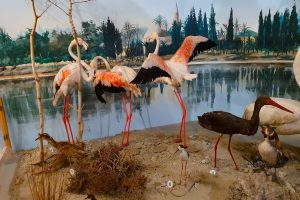
The Cyprus Museum of Natural History is the largest natural history exhibition in Cyprus. Located on the outskirts of Nicosia within the grounds of the Carlsberg Brewery, the museum displays approximately 2,500 exhibits that showcase the island's geology, flora, and fauna. Since its inauguration in 1996, the museum has welcomed thousands of visitors annually and serves as an educational resource for understanding Cyprus's natural heritage. wikipedia-org Historical Background The Photos Photiades Charity, Scientific and Cultural Foundation established the museum as part of its mission to benefit the public through educational and cultural projects. Former President of the Republic of Cyprus Glafkos Clerides inaugurated the facility on May 29, 1996. The museum was the first institution of its kind on the island, dedicated specifically to preserving and presenting Cyprus's natural history. The foundation created the museum to educate visitors about the island's biodiversity and geological evolution. The collection documents millions of years of natural history, from ancient fossils to current wildlife species. The exhibits aim to inspire environmental awareness and appreciation for nature conservation. Main Collections and Exhibits The museum houses over 2,500 items across several categories. The majority consists of taxidermied animals including mammals, birds, fish, reptiles, and insects. These specimens are preserved using professional taxidermy techniques that make them appear lifelike. The displays allow visitors to examine species they…

Read more
Young Cypriots Rap About Life Today

Young Cypriots Rap About Life Today

Rap and hip-hop in Cyprus are not about imitation. For many young Cypriots, they have become one of the clearest ways to talk about pressure, identity, frustration, and belonging on a small island shaped by global culture and local tension. What sounds like music often functions as a public conversation, direct, emotional, and grounded in everyday experience. Through rhythm and dialect, young artists are documenting modern Cyprus as it is lived, not as it is marketed. stock-adobe-com A voice that arrived quietly, then stayed Hip-hop began to gain a foothold in Cyprus in the late 1990s, arriving without fanfare and often without understanding. At first, it lived on the margins of youth culture, overshadowed by rock, metal, and mainstream pop scenes that leaned heavily on English or formal Greek. Early attempts often sounded borrowed, more like echoes of elsewhere than expressions of home. That changed gradually. As artists became more confident and more rooted, the music stopped trying to sound foreign. It began to absorb the island itself. The turning point came when recording tools became cheaper and online platforms removed the need for approval from radio stations or labels. Bedrooms became studios. Uploads replaced auditions. Rap did not need permission anymore, and once that barrier disappeared, honesty followed. Why rap works so well in Cyprus Rap is flexible by…

Read more

Floss Silk Tree

Floss Silk Tree

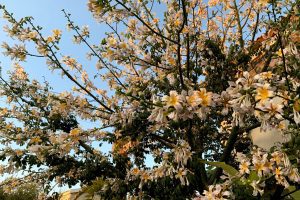
Imagine walking through a sunny park in Nicosia or Limassol when a tree catches your eye with its trunk covered in sharp thorns and branches bursting with pink flowers like fluffy cotton candy. Perhaps one of the most bizarre trees you'll encounter is the floss silk tree this South American visitor that's found a home in Cyprus, hiding surprises in its spiky exterior that make you wonder what other secrets it holds. Konstantin-Solovev Getting to Know This Exotic Guest The floss silk tree is a large, deciduous tree known for its striking appearance and fluffy seeds. It's part of the broader world of flowering plants, fitting into the Malvaceae family alongside everyday wonders like cotton and hibiscus, all sharing a love for warm climates and showy blooms. A Journey from Rainforests to Island Parks Native to the lush tropical forests of South America, where ancient peoples used its fibers for ropes and padding, this tree crossed oceans during the age of exploration. In Cyprus, it likely arrived in the early 20th century under British influence, planted as an ornamental to add flair to gardens and streets, much like other far-flung arrivals that helped shape our island's green landscape over the last century. Spikes, Blooms, and Fluffy Surprises What stands out most is its swollen, bottle-shaped trunk armored with large, conical…

Read more