Explore Cyprus with Our Interactive Map

Explore our top stories and discover ideas worth your time.

Dasoudi Beach Limassol

Dasoudi Beach Limassol

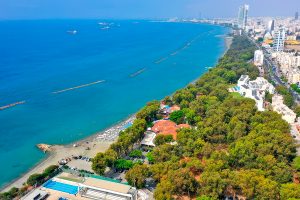
Dasoudi Beach extends one kilometer along the Limassol coastline in Germasogeia, approximately 3.5 kilometers east of the city center. The beach is the only one in Cyprus which, despite proximity to the city center, boasts rich greenery that reaches all the way down to the sandy coast. cyprusdiscover.com The name Dasoudi translates from Greek as little forest, referring to the park's ambiance created by dense eucalyptus and pine groves. This urban beach combines standard Mediterranean beach facilities with unusual additions including an Olympic-size swimming pool and a forested park that provides natural shade and scenic walking paths just meters from the waterline. Historical Background Dasoudi Park was established in the mid-20th century as part of a greening initiative in Limassol. City planners recognized the need for public recreational space along the rapidly developing tourist corridor east of downtown. Eucalyptus trees were planted specifically to reinforce sandy dunes and provide shade during hot summer days. These Australian imports adapted well to Mediterranean conditions, growing quickly to create the forested atmosphere that defines Dasoudi today. allaboutlimassol.com The park and beach developed together rather than sequentially, with infrastructure planned to integrate both elements. Walking paths wind through eucalyptus, pine, and acacia groves parallel to the shoreline, creating a buffer zone between urban development and the beach itself. This design allows visitors to transition…

Read more
Pierides Ethnographic Museum

Pierides Ethnographic Museum

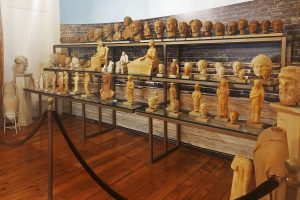
The Pierides Museum is the oldest private museum in Cyprus, housed in the ancestral home of the Pierides family in central Larnaca. This colonial-style mansion contains approximately 2,500 artifacts that document 9,000 years of Cypriot history, from the Neolithic period through the medieval era. The collection was assembled over five generations and represents one of the most important private archaeological holdings in the Eastern Mediterranean. visitcyprus-com Historical Background The museum's history began in 1839 when Demetrios Pierides started collecting Cypriot antiquities. Born in 1811, Pierides witnessed the widespread looting and export of Cyprus's archaeological heritage during the early 19th century. Foreign collectors and archaeologists routinely removed artifacts from the island, shipping them to museums in London, Paris, and other European capitals. Pierides believed that Cyprus's cultural heritage should remain on the island, and he dedicated his life to acquiring and preserving objects that might otherwise be lost. cyprusevents-net Demetrios Pierides came from a prominent Larnaca family with roots in the local merchant class. His position gave him access to antiquities discovered during agricultural work, construction projects, and tomb robberies. He purchased items directly from farmers and workmen, built relationships with other collectors, and sometimes conducted his own excavations at known archaeological sites. By his death in 1895, he had assembled a substantial collection covering most periods of Cypriot history. The…

Read more
Fish Preservation Techniques In Cyprus

Fish Preservation Techniques In Cyprus

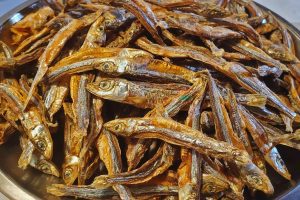
For much of Cyprus’s history, the challenge was never catching fish. It was keeping it. Long before ice, refrigeration, or fast transport, fresh fish could spoil within hours under the Mediterranean sun. To survive, coastal communities developed preservation methods that turned a fragile, short-lived food into something durable, transportable, and dependable. Salting, drying, and smoking were not culinary experiments. They were practical responses to climate, distance, and necessity, shaping how Cypriots ate, traded, and lived. fire-food-com Understanding these techniques reveals more than food history. It shows how knowledge, cooperation, and environment came together to support life across the island. Why Preservation Was Essential In pre-modern Cyprus, fresh fish was a luxury of proximity. Coastal villages could eat what they caught the same day, but many communities lived inland, often deliberately, to reduce exposure to piracy and coastal raids. Transporting fresh fish even a short distance was impossible without spoilage. Preservation solved this problem. By removing moisture and controlling bacterial growth, fish could be stored for weeks or months. What arrived inland was no longer fragile. It was reliable nourishment. Preservation turned the sea into a food source for the entire island, not just those living beside it. Knowledge Shaped by Climate and Geography Cyprus’s climate strongly influenced how preservation developed. Hot summers accelerated spoilage, but steady sunlight, dry air, and…

Read more