Explore Cyprus with Our Interactive Map

Explore our top stories and discover ideas worth your time.

Street Arts Music Festivals

Street Arts Music Festivals

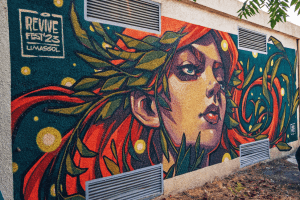
Cyprus is often described through its beaches and ancient monuments, but some of the island’s most revealing cultural moments happen in public streets, squares, and parks. Across cities and towns, music spills into old neighbourhoods, walls become canvases, and everyday spaces are temporarily reshaped by performance and visual art. Street arts and music festivals offer a direct way to experience modern Cypriot creativity as it is lived, shared, and shaped in real time. Rather than separating culture from daily life, these events place it exactly where people already are. When the City Itself Becomes the Venue What distinguishes Cyprus’s street arts and music festivals is not scale, but placement. Performances rarely stay confined to formal halls. Instead, they unfold across pedestrian streets, municipal gardens, historic squares, waterfront paths, and occasionally repurposed industrial sites. The city is not just a backdrop. It is part of the performance. This approach changes how people experience art. Audiences do not arrive, sit, and leave. They move, pause, follow sound, and discover things unintentionally. A concert might lead into a street theatre scene. A mural might become the focal point of a gathering. Culture becomes something encountered rather than scheduled. From Traditional Gatherings to Contemporary Festivals Public celebration has long been part of Cypriot life. Village festivals, religious feast days, and seasonal events once structured…

Read more
A Tapestry of Cyprus Sacred Spaces

A Tapestry of Cyprus Sacred Spaces

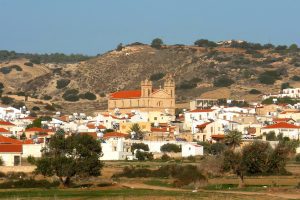
Most visitors to Cyprus know about its Greek Orthodox churches and ancient Christian monasteries, but the island's religious story is far richer and more complex. For millennia, Cyprus has been home to Jewish communities, Muslim mosques, Armenian and Maronite Christians, Sufi mystics, and Latin Catholic cathedrals - each faith leaving monuments that testify to survival, migration, and remarkable coexistence. orthodoxtimes.com Walking through Cyprus's cities means encountering this layered religious landscape where synagogues stand near mosques, Gothic cathedrals became prayer halls, and sacred springs were shared by people of different beliefs. Where Many Faiths Met and Mingled Cyprus has never belonged to a single religious tradition. Its position at the meeting point of Europe, Asia, and Africa made it a crossroads not only for trade and armies but also for belief systems. Long before Orthodox Christianity became dominant in the medieval period, Cyprus hosted Jewish traders and craftsmen, pagan mystery cults, and early Christian congregations mentioned in the New Testament. Later waves brought Islamic institutions during Ottoman rule, Armenian refugees fleeing persecution, Maronite Christians migrating from Lebanon and Syria, and Western European Crusaders establishing Latin Catholic strongholds. Rather than existing as isolated enclaves, these religious minorities participated actively in Cyprus's economy, diplomacy, and urban life. Their monuments - synagogues, mosques, churches of different denominations, and Sufi lodges - aren't marginal curiosities…

Read more

Ottoman Baths in Cyprus

Ottoman Baths in Cyprus

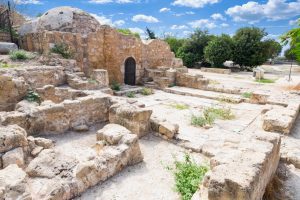
Ottoman baths, known as hamams, represent a distinctive cultural contribution to Cyprus architecture and social life. These public bathhouses served communities across the island for centuries, combining cleansing rituals with social gathering spaces. Several hamams survive today as monuments to Ottoman rule, with two still operating as functional spas. wikimedia.org1 The hamam tradition did not originate with the Ottomans. Its roots stretch back to Roman thermae and Byzantine bathing practices, which the Ottomans inherited and adapted to Islamic requirements for ritual cleanliness. The word hamam comes from the Arabic root meaning heat or heating, reflecting the central role of warmth in the bathing process. Islamic tradition emphasizes cleanliness as a prerequisite for prayer. This religious requirement, combined with social customs, made hamams essential public facilities throughout the Ottoman Empire. Most homes lacked private bathing facilities, so hamams served practical hygiene needs while also becoming important social institutions. Historical Background thisispafos.com The Ottoman Empire captured Cyprus from Venice in 1571 after a prolonged military campaign. This conquest marked the beginning of over three centuries of Ottoman administration that fundamentally reshaped the island's demographic and cultural character. One of the Ottomans' first priorities in newly conquered cities was establishing hamams. These buildings demonstrated Ottoman presence and provided essential services to both the Turkish soldiers and settlers who arrived from Anatolia and the…

Read more