Explore Cyprus with Our Interactive Map

Explore our top stories and discover ideas worth your time.

Green Sea Turtle Conservation Programs in Cyprus

Green Sea Turtle Conservation Programs in Cyprus

The green sea turtle represents one of the Mediterranean's rarest nesting species. In this entire sea, only 300 to 400 female green turtles nest each year, with the vast majority choosing beaches in Cyprus and Turkey. This makes Cyprus critically important for the species' survival in the region. The green turtle earned its name from the green fat stored beneath its shell, a result of its diet that consists almost entirely of seagrass and algae once the turtle reaches adulthood. suemtravels-com Green turtles belong to the family Cheloniidae and hold the distinction of being the largest hard-shelled sea turtle species. Adults can reach one meter in length and weigh between 130 and 160 kilograms. Their distinctive heart-shaped shell ranges from olive to black in color, while the underside stays pale yellow. Unlike their carnivorous loggerhead cousins, adult green turtles maintain an almost exclusively herbivorous diet, grazing on seagrass meadows and coastal algae. From Crisis to Conservation Action Historical records and testimony from older fishermen confirm that green turtles were once far more abundant around Cyprus than they are today. Exploitation of Mediterranean sea turtles from ancient times through the mid-20th century devastated populations. An estimated 100,000 turtles were shipped from the Eastern Mediterranean to Europe to meet demand for turtle soup and other products. This commercial harvest, combined with coastal…

Read more
Paralimni Wetlands, Cyprus

Paralimni Wetlands, Cyprus

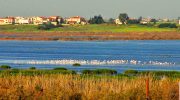
Located in the southeastern corner of Cyprus near the town that shares its name, Paralimni Lake stands as one of the island's eight remaining natural wetlands. This 350-hectare seasonal wetland hosts an extraordinary variety of bird species and rare reptiles despite severe threats from development and poor management. The name Paralimni translates to "by the lake," a reminder that this wetland once defined the entire region's identity. cyprus-mail-com Paralimni Lake occupies a natural depression between the villages of Paralimni, Sotira, and Deryneia in the Famagusta district. The basin collects rainwater runoff from surrounding areas, primarily through the Plati torrent flowing from the east. During winter and early spring, water accumulates in this shallow pan, creating crucial wetland habitat. By summer, the lake typically dries out completely, leaving exposed mudflats and sparse vegetation. This seasonal pattern might seem problematic, but Mediterranean ecosystems have evolved to function perfectly with such cycles. The wet winter months support migratory birds, while the dry summer period allows different species to thrive. In drought years, the lake may barely collect any water at all. In particularly wet seasons, it can retain moisture for longer periods, sometimes extending bird habitat availability into early summer. Historical records show that in 1893, locals cut drainage channels to reduce humidity around the growing town. These channels dried much of the…

Read more

Church of Panagia tou Araka

Church of Panagia tou Araka

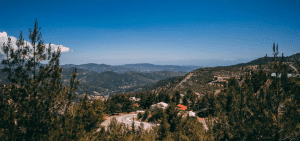
The Church of Panagia tou Araka, located near the village of Lagoudera in the Troodos Mountains of Cyprus, is one of the most celebrated monuments within the UNESCO World Heritage group known as the Painted Churches of the Troodos Region. googlemaps Built in the late 12th century, the church stands as a remarkable testament to the artistic and spiritual vitality of Cyprus during the Middle Byzantine period. Its significance lies primarily in its interior decoration, which preserves some of the finest examples of Comnenian art an artistic style associated with the reign of the Comnenian dynasty in Byzantium and closely linked to the cultural life of Constantinople. At a Glance Location: Lagoudera village, Pitsilia region, Troodos MountainsDate of frescoes: 1192Artist: Theodore ApsevdisStatus: UNESCO World Heritage Site (Painted Churches of the Troodos Region)Best known for: One of the most complete Middle Byzantine fresco cycles in Cyprus Historical Background Theodore Apsevdis is one of the rare Byzantine artists whose name survives alongside his work. Trained in Constantinople, he brought metropolitan skill to a rural Cypriot setting. His style belongs to the late Comnena period, marked by elongated figures, flowing drapery, and faces filled with restrained emotion. googlemaps The church demonstrates how artistic developments from the imperial capital reached even remote regions, shaping local expressions of faith and aesthetics. The late 12th century…

Read more