Explore Cyprus with Our Interactive Map

Explore our top stories and discover ideas worth your time.

Elevated Cyprus Viewpoints

Elevated Cyprus Viewpoints

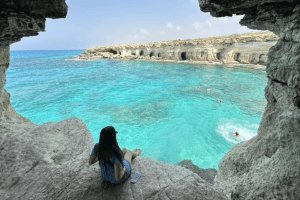
Cyprus offers some of the Mediterranean's most spectacular coastal viewpoints where limestone cliffs tower above turquoise waters, creating panoramic scenes that have inspired mythology and attracted visitors for millennia. Cape Greco National Park on the southeastern tip provides dramatic limestone cliffs plunging into emerald water, with hiking trails leading to viewpoints where ancient Greeks believed gods walked. shutterstock-com The Cape Greco viewpoint, located on a hill in the west, offers wonderful views of the entire cape, including the Blue Lagoon where meter-high waves crash against rocks when wind blows. These elevated perspectives reveal the island's geological drama while connecting visitors to landscapes that shaped Cyprus's cultural identity. The Legendary Rock of Aphrodite Petra tou Romiou, known as Aphrodite's Rock, represents Cyprus's most iconic coastal landmark where mythology meets natural beauty. The rugged coastline features striking rock formations emerging majestically from turquoise Mediterranean waters, creating dramatic and awe-inspiring panoramas. The main rock, a towering limestone stack, is surrounded by smaller rocks and a pebble beach, all set against the backdrop of rolling hills. shutterstock-com According to ancient Greek mythology, the goddess Aphrodite emerged from sea foam at this exact location. The tale suggests that Chronos castrated his father Uranus and threw his genitals into the sea. From the resulting foam, Aphrodite was born, carried to shore on a scallop shell. This…

Read more
Cyprus Film Culture

Cyprus Film Culture

Contemporary Cypriot music is increasingly shaping how the island appears in film, television, and online media. Instead of generic Mediterranean soundtracks, local artists and recognisable sonic textures are being used to support storytelling, atmosphere, and identity. This shift matters because sound influences memory as much as image. When Cyprus is accompanied by its own modern musical voice, representation becomes more specific, more confident, and harder to reduce to cliché. This article explores how that change is happening, where it comes from, and why it matters now. From Background Noise to Cultural Signal For a long time, music in visual media connected to Cyprus served a functional role. It filled silence, supported mood, or softened transitions, but rarely carried cultural weight. That approach is changing. Today, contemporary Cypriot music is being used deliberately. Tracks are chosen not only because they sound pleasant, but because they signal place. Dialect, rhythm, and local sonic markers now appear within films, television segments, tourism campaigns, and short-form digital content. The result is subtle but powerful. Cyprus is no longer just seen. It is heard. This shift does not announce itself. It works quietly, embedding identity into scenes rather than explaining it. What This Trend Actually Means When contemporary Cypriot music is described as “integrated into media,” the idea is simple. Modern Cypriot artists, sounds, and…

Read more

Pelendri Cyprus Historic Village Vineyards Churches

Pelendri Cyprus Historic Village Vineyards Churches

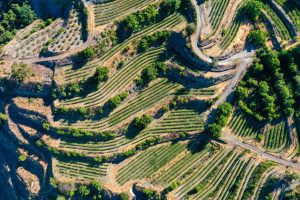
Pelendri is a mountain village in the Limassol district known for its UNESCO World Heritage church, traditional architecture, and established wine production. It’s located in the Pitsilia region at 880 meters altitude and 40 kilometers from Limassol. The village combines medieval history with contemporary viticulture in a setting of steep valleys and high peaks. mytroodos.com Despite being built on relatively barren slopes, the area benefits from approximately 750 millimeters of annual rainfall, which supports diverse cultivation and natural vegetation. Several tributaries cross through the area, providing water resources that sustain both agriculture and forest growth. The administrative boundaries of Pelendri include portions of the Troodos state forests and monastery forests. Natural vegetation includes pines, wild olives, plane trees, and various indigenous shrubs, with uncultivated areas maintaining rich plant diversity. Historical Background Historical records confirm Pelendri as an established settlement during the medieval period. Louis de Mas Latrie, documenting Cyprus during Lusignan rule, refers to the village as Pelendres or Pelondres. In 1353 it was a fief of John de Lusignan, Prince of Antioch and a member of the royal family of Cyprus. Medieval chronicler Georgios Boustronios mentioned the village twice in his writings. He recorded that around 1461, a wealthy merchant named Satin lived in Pelendri, indicating commercial activity in the settlement. Boustronios also documented two farmsteads in the Pelendri…

Read more