Explore Cyprus with Our Interactive Map

Explore our top stories and discover ideas worth your time.

Ancient Kourion in Cyprus

Ancient Kourion in Cyprus

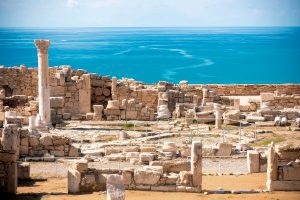
Ancient Kourion sits on a limestone cliff nearly 100 meters high along the southwestern coast of Cyprus, overlooking Episkopi Bay. The site was first inhabited during Neolithic times, with the earliest evidence dating back to 4,500 to 3,900 BC, but the town itself was founded in the 13th century BC by the Argives. orangecyprushome.com The city-kingdom was built on the hills of the area and overlooked and controlled the fertile valley of the river Kouris. Archaeological finds suggest that Kourion was associated with the Greek legend of Argos of Peloponnese, and its inhabitants believed they were descendants of Argean immigrants. The site stands as one of Cyprus's most impressive archaeological areas, preserving remains that span from the Bronze Age through the Byzantine period. The ruins tell stories of prosperity, political intrigue, natural disaster, and religious transformation. Historical Background According to Herodotus, Kourion was founded by Argives in the Late Bronze Age and was named for Koureus, the son of Cinyras, the first king of Cyprus. The Assyrian kings Sargon II and Esarhaddon mentioned Damasu, king of Kuri, in their records. During the Cypriot uprising against Persia in the 5th century BC, its king Stasanor betrayed his country, lending his support and troops to the Persians. However, Kourion later supported Alexander the Great's fight against the Persians in the 4th century…

Read more

Cyprus Valleys Summer Guide

Cyprus Valleys Summer Guide

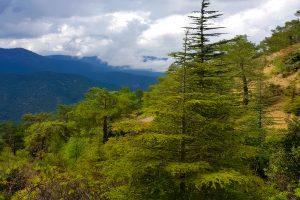
When summer temperatures on coastal Cyprus climb past 40 degrees Celsius, the mountain valleys offer something different. These elevated landscapes carved into the Troodos Mountains maintain temperatures 10 to 15 degrees cooler than the scorching lowlands. The valleys provide more than comfortable weather. They create microclimates where fruit trees thrive, rivers flow year-round, and villages preserve centuries of mountain culture. chooseyourcyprus.com Temperature drops about 5 degrees Celsius for every 1,000 meters of elevation gained. In July and August, when lowland areas reach 34 to 40 degrees, the mountain valleys average 28 degrees at their highest points. Night temperatures fall to comfortable levels, often 10 degrees cooler than daytime peaks. This temperature difference transforms the valleys into natural air conditioning systems for an island known for intense summer heat. Cedar Valley and the Paphos Forest Sanctuary Cedar Valley sits at the intersection of three districts, nestled within the 70,000-hectare Paphos Forest at elevations above 1,000 meters. The valley takes its name from 130,000 Cyprus cedars that grow nowhere else on Earth. Cedrus brevifolia represents an endemic subspecies closely related to the famous cedars of Lebanon. These trees, with their upright trunks and broad foliage, can reach 40 meters in height. cyprusisland.net The cedar forest shares space with Calabrian pines, which thrive in the Mediterranean climate and can grow to similar heights…

Read more
Bay Laurel of Cyprus

Bay Laurel of Cyprus

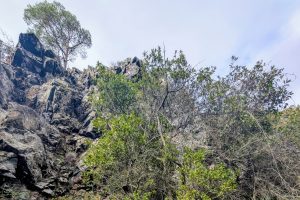
Imagine brushing past a glossy-leaved tree beside a sparkling Cypriot stream – the air instantly fills with a warm, spicy, almost resinous perfume that lingers on your fingers for hours. This is the bay laurel, standing quietly yet majestically among the island’s wild places, its leaves whispering stories of gods, victors and everyday Cypriot kitchens. www.inaturalist.org A Fragrant Evergreen of the Laurel Family Laurus nobilis, the true bay laurel or sweet bay, belongs to the Lauraceae family – a small but aromatic group that also includes cinnamon and camphor. In Cyprus it grows as an evergreen tree or large shrub, often reaching 8–15 metres in sheltered spots, though it stays more shrub-like when exposed to wind or grazing. From Apollo’s Wreath to Cypriot Streams The bay laurel has been part of Mediterranean life since antiquity. In Cyprus it was already well known when Unger and Kotschy explored the island in 1862 – they recorded it as frequent around Limassol and noted its presence among myrtle, olive and other maquis trees. Even earlier, the great physician Dioscorides (1st century AD) described its leaves and berries in detail, recommending them for digestion, inflammation and as a warming oil. In Greek mythology the tree is sacred to Apollo: when the nymph Daphne fled his advances she was transformed into a laurel, which the…

Read more