Rare Plants and Animals of Cyprus High-Elevation Zones
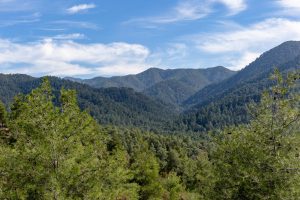
Cyprus hosts an extraordinary concentration of endemic species in its high-elevation zones, particularly within the Troodos Mountains. At altitudes between 1,000 and 1,952 meters, unique geological conditions combine with Mediterranean climate variations to create habitats found nowhere else on Earth. The island supports 143 endemic plant species, with 47 of these confined exclusively to the Troodos range above 1,000 meters. These mountains function as a natural laboratory where volcanic soils, steep valleys, and climate extremes have shaped remarkable biodiversity over millions of years. kiprinform-com The Troodos Mountain Environment Mount Olympus, also called Khionistra, rises to 1,952 meters and represents the highest point in Cyprus. The Troodos range occupies roughly half the island's total area, its core composed of igneous rocks formed from elevated ocean shell and lithospheric mantle. This volcanic substrate creates serpentine soils with mineral compositions drastically different from the island's lowlands. commons-wikimedia-org Deep valleys carved by streams such as Pedios, Yelias, Serakhias, Ezousa, Diarizos, and Xeropotamos provide north and northwest-facing slopes where humidity accumulates and temperatures moderate. dreamstime-com Between the thermophilous lower slopes and the semi-alpine summit zone, elevation creates distinct vegetation bands. Black pine forests dominate from 1,300 to 1,950 meters, replacing Calabrian pine at the transition point. The highest slopes support foetid juniper in what approaches an alpine environment. Annual precipitation ranges from 300 millimeters on…
Read more