Explore Cyprus with Our Interactive Map

Explore our top stories and discover ideas worth your time.

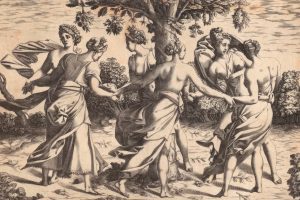
Nymphs and Nature Spirits in Cypriot Mythology

Nymphs and Nature Spirits in Cypriot Mythology

Cyprus is an island with a long memory. Long before cities were built and kingdoms were named, the people who lived here believed that the land around them was alive. Springs, forests, rivers, mountains, and the sea itself were not just features of the landscape. They were home to spirits. These spirits had names, roles, and personalities. The Greeks called them nymphs, and on Cyprus, they took on a life of their own, shaped by the island's unique mix of Greek, Phoenician, and local traditions. Nymphs were not gods. They sat below the major gods in rank, but they were present everywhere, and the people of Cyprus respected them for it. Historical Background The belief in nature spirits on Cyprus goes back a long way, well before the Greeks arrived. The island was a meeting point for cultures from Greece, Egypt, Phoenicia, and Anatolia. Each of these brought its own ideas about the natural world. The Greeks had a detailed system for classifying nymphs by the type of nature they were tied to: water, trees, mountains, or the sea. When Greek ideas reached Cyprus, they mixed with local beliefs that already existed on the island. The result was something distinct. Cypriot nymph traditions were not a simple copy of Greek mythology. They were a blend, shaped by the land itself…

Read more

Cypriot Religious Songs Poetry

Cypriot Religious Songs Poetry

Ecclesiastical and theological themes have influenced the evolution of Cypriot music and literature for over two thousand years. These creative expressions developed alongside the island's long administrative and cultural history, integrating early Mediterranean traditions with a distinct local character. From solemn church hymns to joyful seasonal carols, religious content touches nearly every aspect of traditional Cypriot music. The themes range from celebrations of Christ's birth to lamentations of the Virgin Mary, from praise of local saints to prayers for protection. From formal liturgical chants to festive community carols, these motifs appear frequently throughout the history of traditional Cypriot composition. The subject matter typically centers on significant historical figures, regional narratives, and various traditional invocations for community safety. Byzantine Roots and Medieval Flowering Cyprus became a center for religious music composition during the Byzantine period. The island's geographic position between Constantinople and the historical Land made it a natural meeting point for musical traditions from both regions. Byzantine musical manuscripts from the 14th and 15th centuries show that Cypriot cantors maintained strong connections to Constantinople while developing their own distinctive styles. Three members of the Asan family from Cyprus gained recognition for their hymn writing, with their works preserved in manuscripts at Athens and other major collections. Neophytos the Recluse is recognized as one of the most productive literary figures of…

Read more
Cedar Valley Trail

Cedar Valley Trail

The Cedar Valley Trail stands as a quiet gem within the high peaks of the Paphos Forest. It offers a unique escape for those who seek peace and natural beauty far from the busy coast. This specific area remains one of the most secluded spots on the entire island. Visitors often feel a sense of awe as they enter this ancient landscape. The air turns cool and carries the scent of fresh pine and old wood. It provides a sharp contrast to the heat that usually defines the lower plains of Cyprus. Local history and nature intertwine here in a very special way. The trees that grow in this valley exist nowhere else on the planet. This rare environment makes every step along the dirt path feel like a walk through a living museum. Trail Overview Location: Paphos Forest, Nicosia District Distance: 2.5 miles (4 km) Route Type: Out & Back Difficulty: Easy Elevation Gain: 500 feet (150 meters) Duration: 1.5 – 2 hours Best Time to Visit: March – June Terrain: Forest Floor and Gravel The Unique Botanical Heritage  The Cedar Valley Trail provides a home to the Cedrus libani var. brevifolia. This tree is a subspecies of the Lebanon cedar that evolved in total isolation on this island. Scientists note that these trees survived here for thousands of…

Read more