Explore Cyprus with Our Interactive Map

Explore our top stories and discover ideas worth your time.

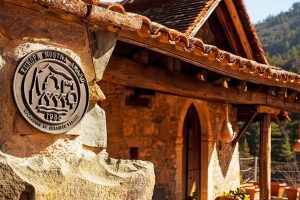
Fikardou Rural Museum

Fikardou Rural Museum

The Fikardou Rural Museum consists of two restored stone houses in the village of Fikardou, located 40 kilometers southwest of Nicosia in the Troodos Mountains. The museum preserves traditional Cypriot rural life through authentic buildings and exhibits from the 16th to 19th centuries. The entire village functions as a living museum, with narrow cobblestone streets and traditional stone houses that transport visitors to another era. The settlement was nearly abandoned during the 20th century when residents moved to urban areas for work and modern amenities. By the 1970s, only a handful of elderly people remained. Historical Background The village name likely derives from the Greek phrase "figa andron," which means "den of fugitives." According to tradition, two dominant clans controlled the region between 400 AD and 800 AD, and fugitives sought refuge in these remote mountains. The earliest written reference to Fikardou dates to 1825 during the Ottoman period. Historical connections exist to medieval Cyprus through the Ficardo family. The most notable member was Sir Thomas Ficardo, who served as Chancellor to King James II and Queen Catherine Cornaro in the 15th century. The village belonged to Machairas Monastery during the Byzantine Komnenos dynasty. Inhabitants focused on olive harvesting, grape cultivation, and subsistence farming. The village maintained traditional agricultural practices for centuries. The remote mountain location provided some security but…

Read more
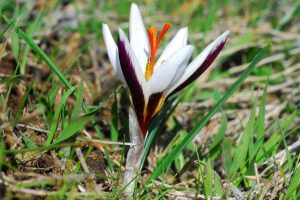
Endemic Crocuses of Cyprus

Endemic Crocuses of Cyprus

As winter's grip loosens on Cyprus's high peaks, delicate blooms emerge like whispers of color against the white. Cyprus is home to three special crocuses — endemic treasures found nowhere else — that brighten rocky slopes with lilac, white, and purple hues. But what makes each one unique, and how have they survived in this island paradise for millennia? What Are These Charming Little Snow Defiers? These crocuses are small, wild flowers that grow from hidden bulbs underground, much like the colorful ones we plant in gardens. They're part of the iris family, a big group of plants known for their elegant petals and roles in everything from spices to myths. In Cyprus, these three — Crocus cyprius, Crocus hartmannianus, and Crocus veneris — add a touch of magic to the island's wild spots, blooming when most plants are still asleep. A Blooming Legacy from Cyprus's Ancient Times The crocus family sprouted in the Miocene, spreading across the Mediterranean and giving Cyprus its own versions, first noted by 19th-century explorers Boissier and Kotschy who named them after the island's beauty. Envisioning Three Distinctive Mountain Beauties Each of these crocuses has its own look that sets it apart. Crocus cyprius, or Κύπριος κρόκος (meaning "Cypriot crocus"), grows 5-10 cm tall with grass-like leaves striped white in the middle and funnel-shaped flowers…

Read more
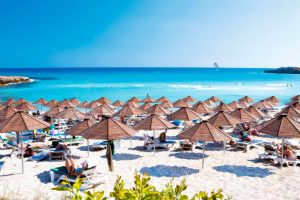
Nissi Beach

Nissi Beach

The Nissi beach stretches 500 meters along a crescent-shaped bay on the eastern coast of Cyprus, approximately three kilometers from Ayia Napa town center in the Famagusta district. The bay's distinctive feature is the small island, or "nissi" in Greek, positioned about 50 meters offshore. The water depth remains shallow throughout the bay, typically staying below waist level even 100 meters from shore, making the entire area accessible for wading and safe for families with children. The beach actually consists of two connected sections. The main stretch near the islet attracts larger crowds and hosts most water sports activities and beach bars. A second, smaller, quieter section extends to the west, providing more relaxed conditions for visitors seeking less activity. Both areas share the same water quality and sand characteristics that earned Nissi Beach its Blue Flag designation, an international eco-label awarded for excellent water cleanliness, environmental management, safety standards, and proper facilities. Historical Background Archaeological excavations conducted along the western borders of the bay in 2005 revealed firelighting equipment dating back 12,000 years. This discovery suggests the area may have been among the first locations settled by humans arriving on Cyprus. The artifacts included chipped stone tools and evidence of fire use. That shows early inhabitants recognized the bay's advantages, including protected waters, access to marine resources, and suitable…

Read more