Explore Cyprus with Our Interactive Map

Explore our top stories and discover ideas worth your time.

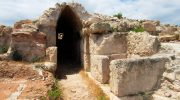
Vouni Palace Reliefs

Vouni Palace Reliefs

Vouni Palace was a Cypro-Classical hilltop complex built around 500 BC to control coastline movement and project authority over a contested landscape near Soli. Its architectural reliefs and capitals show Persian imperial symbols, including Hathor imagery, rosettes, and royal protection motifs, translated through local limestone carving and later blended with Greek spatial elements as political alignment shifted. This article explains why the site’s position mattered, how decoration was used to regulate experience inside the palace, and what the surviving fragments reveal about Cyprus negotiating empire without simply copying it. google-com A Hilltop Built to Watch Soli Vouni was never meant to be subtle. Rising roughly 250 meters above sea level, the hill offers uninterrupted views across the coast and inland plains. From here, movement along the shoreline could be monitored with ease, especially the nearby territory of Soli, a city-kingdom that repeatedly resisted Persian authority. google-com The location makes the palace’s purpose immediately clear. Vouni was built to watch, to assert presence, and to project authority outward. Comfort and urban life were secondary. This was a place where geography itself became part of governance. 500 BC: A Palace of Tension The palace was constructed around 500 BC, during a period when Cyprus stood at the intersection of competing powers. The island was under the control of the Achaemenid Persian Empire,…

Read more
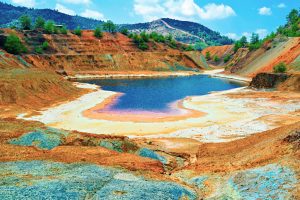
Copper Mountains Cyprus Heritage

Copper Mountains Cyprus Heritage

The copper-rich mountains of Cyprus, particularly the Troodos range, were seen by ancient inhabitants as divine gifts from the gods, providing not just vital metal for tools and trade but also spiritual protection and prosperity. These peaks, laced with reddish ore veins, blended natural bounty with sacred myths, making mining a reverent act and turning the island into a Bronze Age powerhouse. Exploring their story reveals how earth, faith, and human ingenuity intertwined to shape Cyprus's enduring legacy. visitsolea-com A Sacred Backbone of the Island Step into the heart of Cyprus, and you'll find the Troodos Mountains rising like ancient guardians, their slopes cloaked in pine forests and dotted with villages that seem frozen in time. These aren't just any hills - they're the island's geological core, a rugged massif stretching across the center, reaching up to Mount Olympus at over 1,950 meters. For early Cypriots, the mountains weren't mere landscape; they were a holy endowment, teeming with copper that fueled life, from farming tools to ceremonial artifacts. This blend of raw power and divine favor made the Troodos a symbol of abundance, where the gods' touch was felt in every shimmering vein of ore. Today, they stand as a reminder of how nature's gifts can inspire awe, drawing hikers, historians, and dreamers alike to their misty paths. From Ancient…

Read more

Traditional Cypriot Baskets and Handwoven Village Crafts

Traditional Cypriot Baskets and Handwoven Village Crafts

Cyprus developed distinctive basket weaving and textile traditions that stretch back to ancient times. These crafts include water reed baskets from marshy regions, colorful Fythkiotika woven fabrics, and intricate Lefkaritika lace work. Each village specialized in particular techniques using locally available materials like reeds, cotton, and silk. trskinfo-ru The crafts served essential practical purposes in daily life while demonstrating artistic skill passed through generations. From storage vessels to dowry items, these handmade goods connected families to their heritage and provided economic livelihood in rural communities. Historical Background Basket weaving dates to Neolithic times, with techniques remaining essentially unchanged over millennia. Archaeological evidence shows woven items existed since the earliest settlements, with the craft spreading across all cultures worldwide. In Cyprus, basketry developed around two main centers. Larnaca and Akrotiri had naturally marshy landscapes perfect for growing water reeds, rushes, and bamboo used in basket construction. The Salt Lake and marshes attracted settlers to Akrotiri specifically because these materials enabled basket production that became central to village economy. vkcyprus-com Historical sources from 6 BCE document famous Cypriot weavers including Akisas and Elikon. Textile production flourished during Byzantine times when precious Cypriot silk and woolen fabrics earned reputations for exceptional quality throughout Europe. The craft reached its peak under Lusignan dynasty rule from 1192 to 1489. Italian writer Giovanni Boccaccio mentioned Cypriot…

Read more